
Barnaby, my sleek, panther-like void of a cat, has exactly two settings when I try to take his picture with my phone: “demon with glowing green laser eyes” or “floating set of white teeth in a pitch-black room.” Getting a decent photo of him for Instagram is practically a part-time job. But for thousands of black pets currently sitting in shelter kennels, bad photography isn’t just a minor inconvenience. It’s a literal barrier to survival.
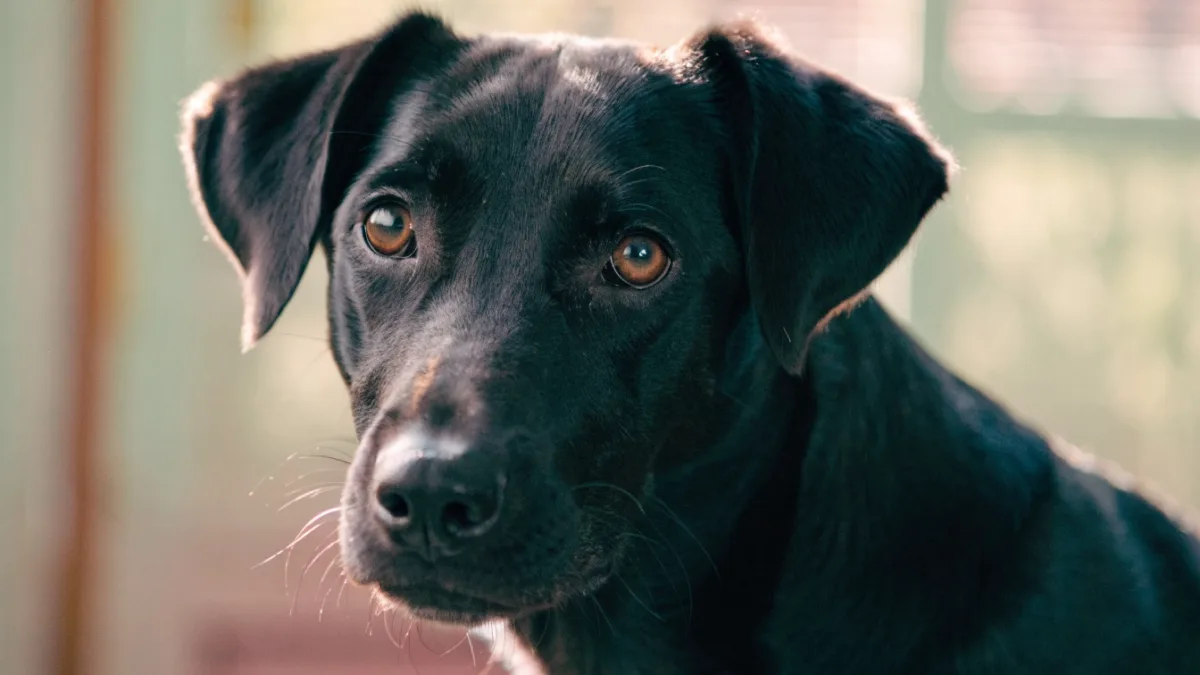
If you’ve ever walked through an animal shelter, you might have noticed a lingering, unspoken hierarchy. Lighter-colored dogs get snatched up in days. Fluffy cream cats have families lining up for them. Meanwhile, the black dogs and cats sit and wait. And wait. This isn’t just a trick of the light or a string of bad luck. It’s a deeply entrenched phenomenon known in the animal welfare community as Black Dog Syndrome, and it’s keeping perfectly incredible pets from finding their way home.
The Reality of Black Dog Syndrome
Black Dog Syndrome (BDS) is exactly what it sounds like: a phenomenon where black dogs are consistently passed over for adoption in favor of their lighter-colored peers. And the numbers aren’t subtle. Black dogs often wait up to four times longer to be adopted than dogs of lighter colors. Because they linger in the system for so long, they also face drastically higher euthanasia rates in overcrowded shelters.
The issue became so glaring that animal behaviorist and activist Colleen Paige decided to do something about it. She founded National Black Dog Appreciation Day, celebrated annually on October 1st, to force the public to look at the dark-coated dogs we’ve culturally trained ourselves to ignore.
And Then There Are the Cats
If black dogs have it rough, black cats are dealing with a completely different—and arguably more absurd—set of baggage. While dogs just suffer from low visibility, black cats are actively weighed down by centuries of folklore, witchcraft, and Halloween superstitions. People still genuinely believe that a black cat crossing their path is a harbinger of doom.
My cat Barnaby is living proof that this “bad luck” nonsense is completely detached from reality. He isn’t a witch’s familiar; he’s an eleven-pound coward who gets spooked by his own shadow and recently surrendered a fight to a houseplant. The idea that these animals are ominous or cursed would be hilarious if it weren’t resulting in them being left behind in shelter cages while their tabby siblings get adopted. Even peer-reviewed scientific studies, such as the 2014 paper “Black dog syndrome in animal shelters” by Goleman et al., have had to step in to formally document and measure these explicit and implicit biases against black-coated animals.
Is It Real Prejudice, or Just Basic Math?
While shelter workers will passionately tell you that BDS is a devastating reality, the scientific community loves a good debate. Some researchers argue that the apparent bias against black pets isn’t actually driven by prejudice. Instead, they suggest it’s simply a numbers game.
Because black hair is a dominant genetic trait in both dogs and cats, there are simply more black animals born than any other color. Naturally, this means shelters take in a higher volume of black-coated pets. Some statisticians argue that this skews the shelter population data. If black dogs and cats make up 60% of a shelter’s intake, it only makes sense that they also make up the majority of the dogs and cats waiting for homes.
However, recent psychological research is shifting the debate back toward genuine human bias. Studies are now using [1] on potential adopters to measure their subconscious reactions. What they’re finding is that even when intake numbers are accounted for, people still harbor subconscious, negative biases against the color black when applied to animals. It turns out, you can’t easily separate centuries of cultural conditioning from a modern trip to the pound.
Why Dark Coats Get Overlooked
So, if we aren’t all actively practicing witchcraft and fearing curses, why do we keep ignoring black pets? The root causes are actually a mix of logistics, lighting, and lazy pop culture tropes.
The “Invisible” Factor
Let’s talk about shelter lighting. Most shelters operate on a tight budget, meaning the lighting in the kennels is often dim, fluorescent, or heavily shadowed. Darker coats absorb light, making the animals’ facial expressions incredibly difficult to read. When you walk past a kennel and can’t see a dog’s soft eyes or a cat’s relaxed ears because they blend into the dark background of their cage, you miss the emotional connection that sparks an adoption. Furthermore, rescues rely heavily on websites and social media to promote their animals. A black dog or cat is notoriously difficult to photograph well with a smartphone, leaving them with poorly lit, featureless profile pictures.
The Hollywood Villain Complex
We also have to contend with the media. Historically, television and film have used black animals—especially black dogs—to signal danger. Think about the demonic guard dogs in horror movies or the ominous black animals used to build tension in a dark alley. We’ve been conditioned by pop culture to associate dark coats with aggression, which is entirely unfair to a goofy, treat-motivated Labrador mix who just wants to hold your hand.
The Modern Shelter Glow-Up
Thankfully, shelters aren’t just throwing their hands up and accepting this fate. Animal rescue marketing has undergone a massive, highly entertaining rebrand over the last few years. Rather than just begging people to adopt black pets out of pity, modern shelters are using clever, trendy humor to reframe the narrative.
Instead of playing into the spooky Halloween tropes, marketing campaigns are highlighting the practical and aesthetic perks of a dark-coated pet. You’ll see [2] and rescue groups nationwide promoting their black cats as an “instant goth bestie” or a “fashion-neutral accessory.” It sounds like a joke, but pointing out that black fur matches every single outfit you own, hides a multitude of grooming sins, and acts as the perfect sleek accessory to a modern apartment actually works.
Rescues are also leaning hard into better photography. [3] are dragging dogs out into natural sunlight, using bright, colorful bandanas to break up the dark silhouette, and capturing videos where the dog’s personality can shine through the static limits of a photograph. By letting the animals be silly, rambunctious, and distinctly un-spooky, they’re breaking down those old Hollywood stereotypes one TikTok at a time.
Black Dog Syndrome and black cat superstitions are frustrating reminders of how easily humans let visual biases dictate our choices. But the tide is turning, thanks to dedicated volunteers, smart marketing, and a cultural shift that embraces the “void cat” and the “panther dog.” The next time you find yourself browsing a shelter website, don’t just scroll past the dark blur in the back of the kennel. Ask to meet them. Take them into a well-lit room. I can almost guarantee that beneath that camouflaging coat is a sweet, slightly confused animal who just wants someone to give them a chance—and maybe a really good treat.
Sources
- explicit and implicit association tests — mdpi.com
- shelters in places like Atlanta — facebook.com
- Shelter volunteers — facebook.com