Reptiles
Calcium and Vitamin Supplements for Reptiles: When and How Much
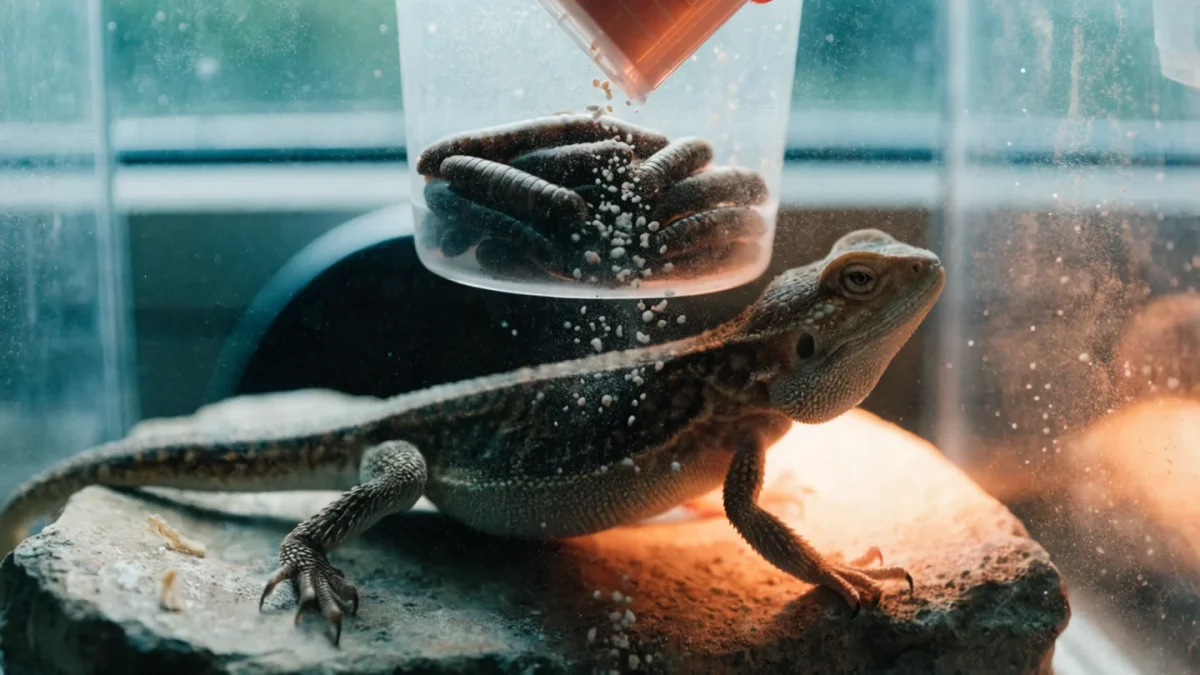
Most insectivorous reptiles need calcium powder dusted on every feeding, with vitamin D3 supplementation depending on whether they have adequate…
Keeping reptiles and amphibians — enclosures, heating, lighting, diet and species-specific husbandry.
Most insectivorous reptiles need calcium powder dusted on every feeding, with vitamin D3 supplementation depending on whether they have adequate…
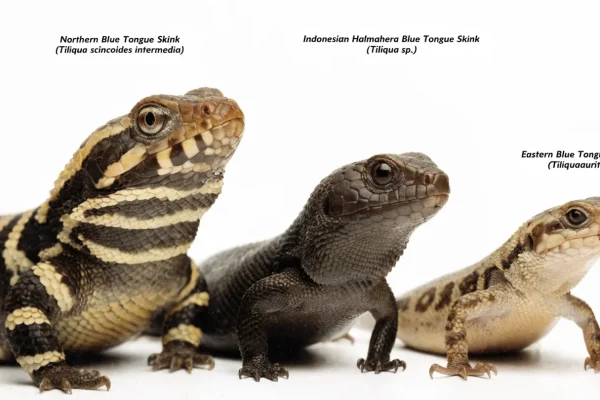
Northern blue tongue skinks are the most docile and easiest to keep, with lower humidity needs around 40-60%. Indonesian species…
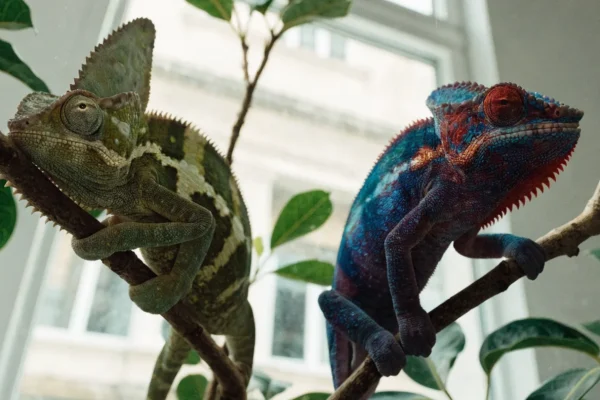
Veiled chameleons are hardier, cheaper (30-75 vs 150-400+), and tolerate a wider range of conditions, making them better for first-time…
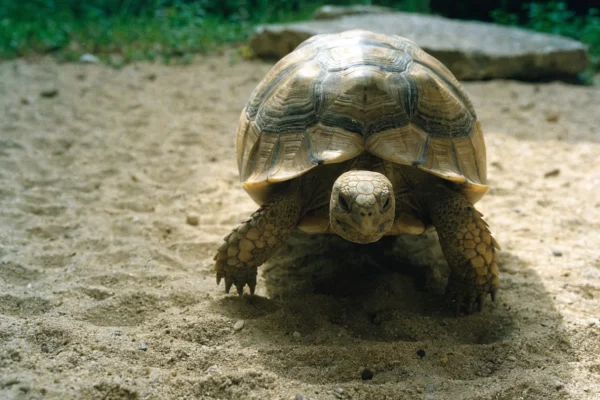
Russian tortoises and Hermann's tortoises are the best pet tortoises for first-time owners — they stay small (15-25 cm), tolerate…
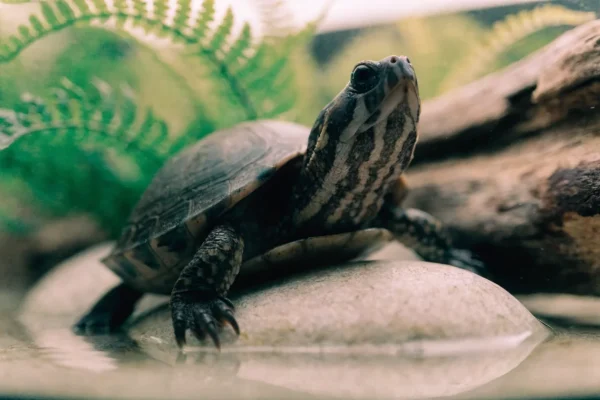
The best pet turtles for beginners are musk turtles (small, hardy, manageable tank size), painted turtles (active and cold-tolerant), and…
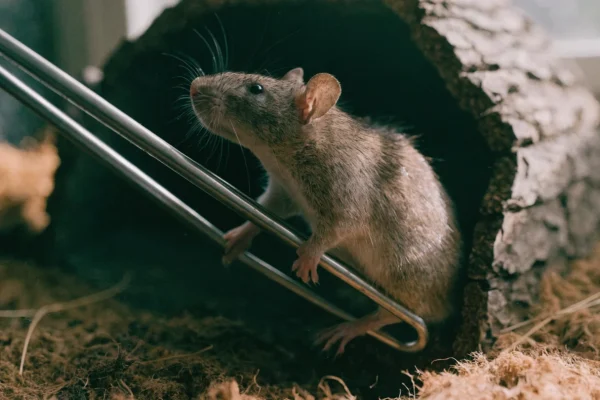
Ball pythons eat whole rodents — mice for hatchlings, rats for juveniles and adults — sized at roughly 10-15% of…
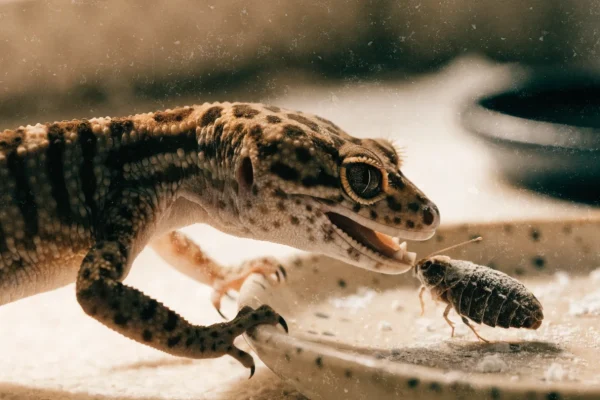
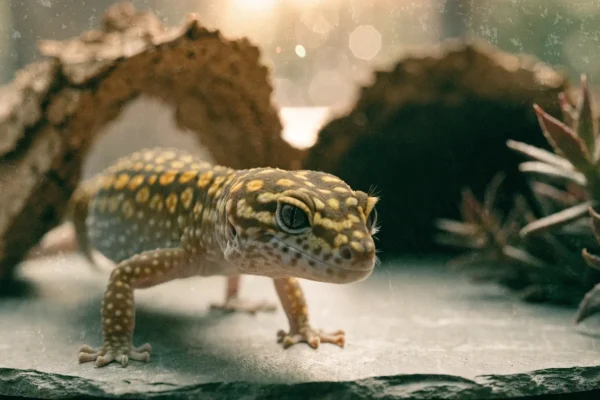
Leopard geckos eat live insects — crickets, dubia roaches, mealworms, and black soldier fly larvae are the staples. Every feeder…