

One of the most common underlying issues I see in dogs with behavior problems — reactivity, destructiveness, excessive barking, anxiety — is chronic under-exercise. Not because owners don't try, but because they're working from a very generalized idea of what their dog needs.
"Two walks a day" covers a lot of territory. Two leisurely 15-minute neighborhood walks meets the exercise needs of a basset hound. It doesn't begin to touch the needs of a Belgian malinois.
Why Breed Group Matters
Different breed groups were developed for radically different work intensities. A dog bred to run with horses all day herding cattle needs fundamentally different exercise than a dog bred to warm laps. The genes that produce those behavioral differences don't turn off when the dog becomes a pet.
Exercise Needs by Breed Group
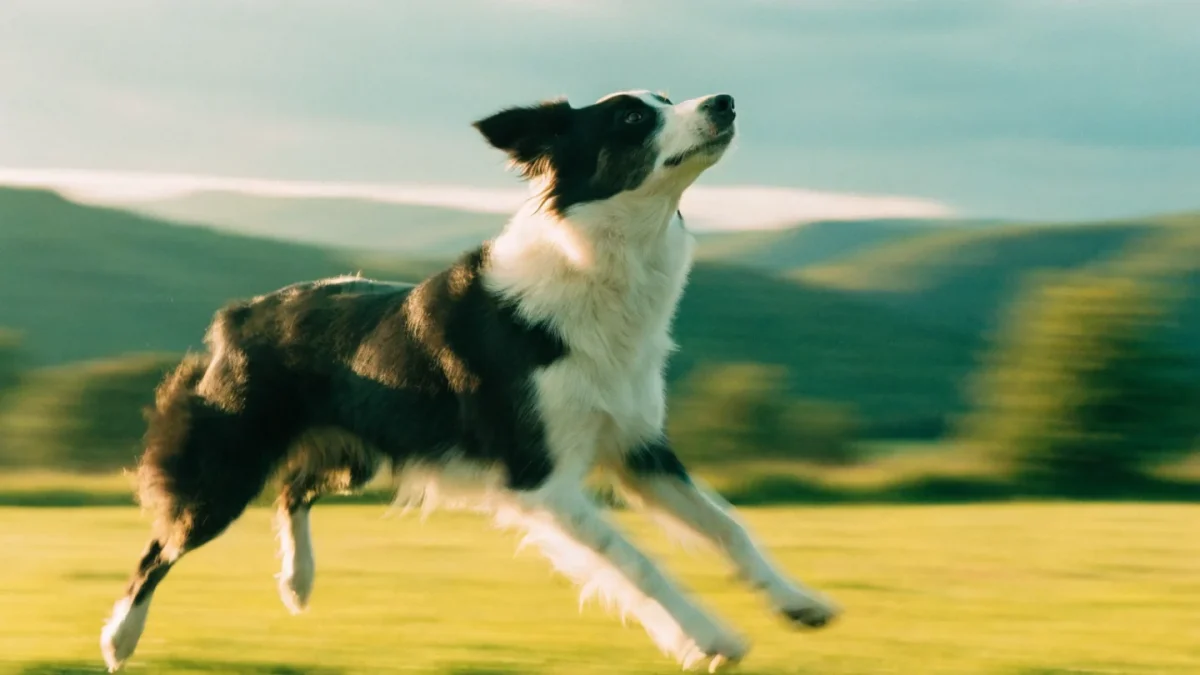
Working and herding breeds (border collie, Australian shepherd, Belgian malinois, German shepherd, Siberian husky, Alaskan malamute): These dogs were built to work all day. Most need a minimum of 1.5-2 hours of vigorous exercise daily, and that's a floor, not a ceiling. Off-leash running, fetch, swimming, dog sports, or hiking rather than on-leash walking. On-leash neighborhood walking barely registers for these dogs.
Sporting breeds (labrador retriever, golden retriever, pointer, vizsla, weimaraner): High energy, athletic, built for a full day's fieldwork. Labs and goldens are deceptively manageable because of their temperament, but they need 1-1.5 hours of moderate to vigorous exercise. Vizslas and weimaraners are closer to working breed territory — they need serious exercise.
Terrier breeds (jack russell, border terrier, Airedale): High drive, often surprisingly athletic for their size. Many terriers need more exercise than their small bodies suggest. Jack russells especially — 1+ hour of vigorous activity plus mental enrichment.
Hound breeds (beagle, basset hound, greyhound, rhodesian ridgeback): Varies widely. Greyhounds are sprinters who need brief intense runs but are largely couch dogs otherwise. Beagles and bassets are scenthounds who can walk for miles. Rhodesian ridgebacks need significant vigorous exercise.
Companion and toy breeds (french bulldog, cavalier king charles, shih tzu, maltese): Lower exercise needs in terms of intensity. 30-45 minutes of moderate exercise usually sufficient. Note that brachycephalic breeds (flat-faced) have respiratory limitations that further restrict vigorous exercise capacity.
Mixed breed dogs: Look at the likely breed components and average their needs, weighted toward the higher-need breeds if those are prominent in the mix.
Quality Over Quantity
A 20-minute off-leash fetch session tires a high-energy dog more than a 60-minute on-leash walk. Exercise quality matters. Sniff walks (letting the dog set the pace and sniff everything) are mentally enriching but less physically demanding. A mix of vigorous physical exercise plus mental stimulation (training, puzzle feeders, nose work) is more complete than physical exercise alone.
The behavioral test for adequate exercise: a well-exercised dog should be able to settle calmly at home. Chronic inability to settle, destructive behavior, excessive barking, and hyper-vigilance are often signs of insufficient exercise for that individual dog.