
A French Bulldog collapsed at a dog park in 2019 after roughly twelve minutes of fetch on a 28°C afternoon. The dog survived — barely — after emergency cooling and veterinary intervention. That incident, repeated in various forms every summer in veterinary emergency rooms worldwide, illustrates the central tension of exercising this breed: they need physical activity to stay healthy, but their anatomy puts a hard ceiling on how much and under what conditions.
Understanding french bulldog exercise needs means understanding brachycephalic physiology. Get it right, and you have a fit, lean, happy dog. Get it wrong, and you're dealing with heatstroke, respiratory distress, or chronic weight gain that compounds every health issue the breed already faces.
The Baseline: What Most Adult Frenchies Need
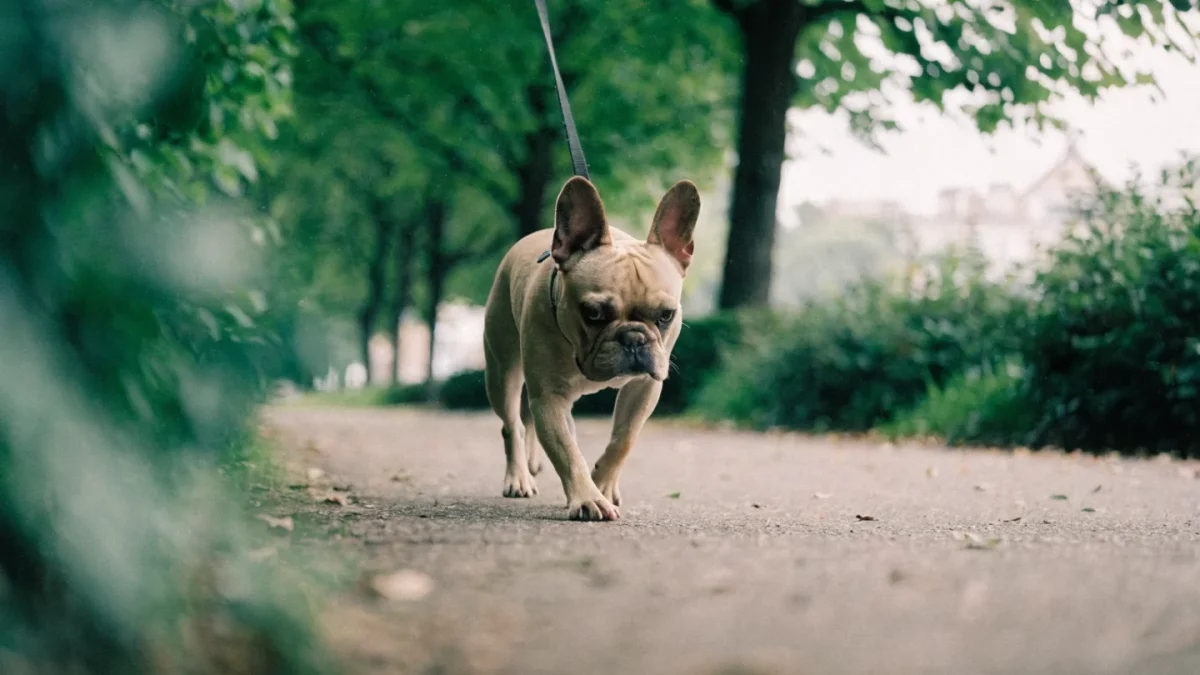
Two walks per day, fifteen to twenty minutes each. That's the standard recommendation, and for most healthy adult French Bulldogs, it's accurate. Add ten to fifteen minutes of indoor interactive play — tug toys, puzzle feeders, short training sessions — and you've covered the daily requirement.
This is genuinely low compared to most breeds of similar size. A Beagle or a Jack Russell Terrier of comparable weight needs three to four times as much activity. The difference isn't laziness; it's respiratory architecture. French Bulldogs cannot pant efficiently due to their shortened airways, which means they overheat faster and recover from exertion more slowly than dogs with normal muzzle length.
The walks themselves should be moderate pace — a comfortable trot, not a sustained jog. If your Frenchie starts lagging behind, sitting down, or breathing with an open mouth and audible effort, the walk is over. Those are not negotiable signals.
Temperature: The Non-Negotiable Variable
Temperature management is more important than distance, duration, or intensity. Dogs regulate body temperature primarily through panting, which requires efficient airflow through the nasal and oral passages. Brachycephalic dogs have compromised airflow. The math is simple and unforgiving.
Practical guidelines by temperature range:
- Below 10°C: Short walks are fine, but the breed's thin coat and lack of undercoat mean they chill quickly. A well-fitted jacket helps for walks beyond ten minutes. Watch for shivering.
- 10-20°C: The sweet spot. Walk freely within the duration guidelines. This is when Frenchies are at their most comfortable and energetic.
- 20-25°C: Exercise in early morning or late evening. Carry water. Keep walks to fifteen minutes or less. Avoid direct sun.
- Above 25°C: Indoor activity only. Even brief outdoor exposure under exertion can trigger overheating. If your dog must go out, keep it to a quick bathroom break on grass (hot pavement burns paw pads and radiates heat).
These thresholds are lower than most owners expect. A day that feels pleasantly warm to you may be dangerous for your Frenchie. If you're unsure, the French Bulldog breed guide covers the physiology behind brachycephalic heat intolerance in more depth.
Signs You Need to Stop Immediately
Learn these and take them seriously:
- Heavy, labored panting with the tongue extended far out
- Excessive drooling beyond what's normal for your individual dog
- Stumbling or coordination loss
- Blue or purple gums (cyanosis) — this is an emergency
- Refusal to walk or lying down and refusing to get up
- Vomiting during or after exercise
If you see cyanosis or collapse, move the dog to shade or air conditioning, apply cool (not ice-cold) water to the paw pads, groin, and neck, and get to a veterinarian immediately. Heatstroke in brachycephalic breeds escalates faster than in other dogs and can be fatal within minutes.
The Weight Problem
Under-exercise is as dangerous as over-exercise for this breed, just on a different timeline. A sedentary Frenchie gains weight rapidly. French Bulldogs have strong food drives, efficient metabolisms, and owners who — understandably — err on the side of caution about activity.
The result is an obesity rate in the breed that is notably high — a Swedish study found overweight prevalence of 50 to 67% in French Bulldogs at dog shows, placing them among the most overweight-prone breeds alongside Labrador and Golden Retrievers. And excess weight on a French Bulldog doesn't just stress joints. It narrows already-compromised airways, deepens skin folds (increasing infection risk), and reduces the dog's ability to thermoregulate — creating a vicious cycle where an overweight dog exercises less, gains more weight, and becomes even less able to exercise.
Maintaining a lean body condition through measured feeding and consistent daily activity is the single most impactful thing an owner can do for their Frenchie's long-term health.
Exercise by Age
Puppies (under 12 months): The standard guideline is five minutes of structured exercise per month of age, twice daily. A four-month-old puppy gets two twenty-minute sessions. Avoid repetitive high-impact activities — no sustained jumping, no jogging on hard surfaces — while growth plates are developing. Free play on soft surfaces is ideal.
Adults (1-7 years): The baseline two walks plus indoor play. Adjust for individual fitness, respiratory function, and weight. A lean, moderate-featured Frenchie with open nostrils will tolerate more than an overweight one with severe stenotic nares.
Seniors (7+ years): Reduce duration and intensity gradually. Arthritic joints and declining respiratory capacity mean shorter, slower walks. Maintain consistency — daily movement matters more for seniors, but in smaller amounts. Swimming in shallow, supervised warm water can be beneficial for joint health, though most Frenchies are poor swimmers and need a life vest even in shallow water.
What Works Instead of Long Walks
For days when outdoor exercise isn't feasible — too hot, too cold, or your dog is recovering from a respiratory episode — indoor alternatives keep your Frenchie mentally stimulated and physically engaged without the risks:
- Puzzle feeders and snuffle mats provide mental exercise and slow down eating
- Short training sessions (five to ten minutes) burn mental energy
- Gentle tug-of-war gives brief physical bursts without sustained cardio demand
- Hide and seek with treats or toys engages their surprisingly capable nose
The breed's temperament actually favors these low-intensity activities. Frenchies are problem-solvers who enjoy interactive challenges, and mental stimulation tires them as effectively as physical exercise.
The Right Balance
The goal isn't to turn a French Bulldog into an athlete. It's to maintain a healthy weight, support cardiovascular function within the breed's anatomical limits, and provide enough stimulation to prevent boredom-driven behavior problems. Think of exercise as medicine for this breed: the right dose helps, too much harms, and skipping it entirely creates its own set of problems.
Know your individual dog's limits. A Frenchie who has had soft palate surgery and nares widening may tolerate more than one who hasn't. A dog with hemivertebrae or IVDD needs adjusted activity that avoids spinal stress. Work with your veterinarian to establish what's appropriate for your specific dog's anatomy and condition, and adjust seasonally.