

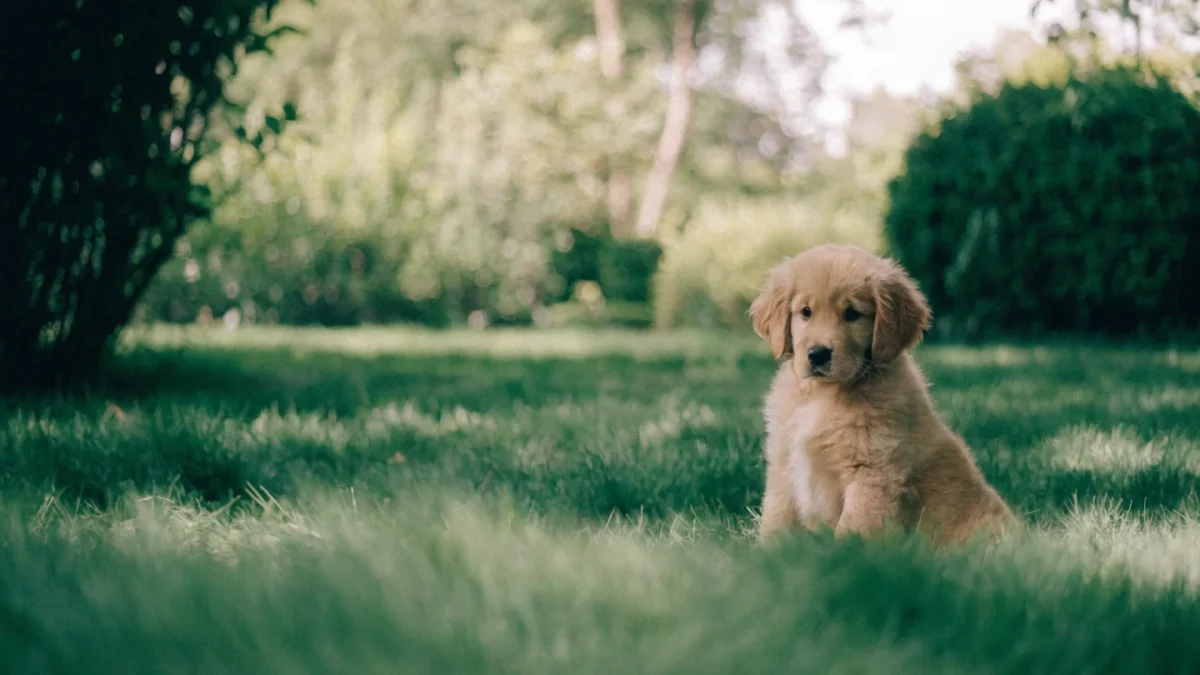
A golden retriever puppy is one of the most appealing things on earth. Round, fluffy, absurdly cute, with an expression that seems designed by evolution to make humans hand over money. That cuteness is exactly the problem. It overrides judgment. People fall in love with the puppy and skip the homework — and in a breed carrying the genetic baggage that golden retrievers carry, skipping the homework has real consequences.
Getting a golden retriever puppy right means knowing what to look for, what to ask, and what should make you walk away.
Health Clearances: The Non-Negotiable Starting Point
Golden retrievers are predisposed to cancer, hip dysplasia, elbow dysplasia, heart conditions, progressive retinal atrophy, and ichthyosis. Not all of these can be screened out through breeding. But several can be reduced significantly when parent dogs are health-tested and only dogs with favorable results enter breeding programs.
At minimum, both parents of a golden retriever litter should have documented evaluations for:
1. Hips and Elbows
Standardized evaluation programs exist in most countries. Results should indicate normal or acceptable joint conformation. Ask to see the actual evaluation results — a verbal assurance without documentation is not sufficient.
2. Cardiac Evaluation
Subvalvular aortic stenosis is a congenital heart defect in golden retrievers that ranges from mild to fatal. Parent dogs should be examined by a veterinary cardiologist, not just cleared by a general practitioner with a stethoscope.
3. Eye Examination
Annual eye exams check for conditions including progressive retinal atrophy, cataracts, and pigmentary uveitis. Eye evaluations should be current within the past twelve months.
4. DNA Testing
Genetic tests for PRA (progressive retinal atrophy) and ichthyosis are standard in responsible breeding programs. These are simple tests that identify carriers. There is no reason for a breeder to skip them.
If a breeder cannot produce health documentation for both parents, stop. The cuteness of the puppies changes nothing about the risk you're assuming.
What to Observe in the Litter
Environment
Puppies should be raised in a clean, stimulating environment — ideally inside a home or in a clean kennel with regular human interaction. Puppies raised in isolation, in dirty conditions, or without early socialization are at a developmental disadvantage that's difficult to correct later.
Puppy Behavior
Watch the litter interact. Look for puppies that are curious, approach you willingly, and recover quickly from mild surprises (a dropped object, a new sound). Extreme shyness or fear at seven to eight weeks may indicate temperament concerns or inadequate socialization.
The "middle of the road" puppy — neither the boldest nor the most reserved — is often the most adaptable for a family home. The boldest puppy may become a handful for a first-time owner. The shyest may need more socialization work than expected.
The Mother
Meeting the dam tells you a great deal. Her temperament, condition, and behavior toward visitors reflect both genetics and the breeder's care standards. A nervous, poorly conditioned mother is a red flag regardless of how the puppies look.
Red Flags That Should End the Conversation
- Puppies available immediately with no waitlist. Responsible breeders of golden retrievers rarely have unspoken-for puppies on hand.
- No health clearances, or vague references to "the vet said they're healthy."
- Puppies offered before eight weeks of age. Early separation from the litter disrupts critical social development.
- Premium pricing for "rare" coat colors. Extremely light cream or dark red goldens are not rare variations worth extra money — they're marketing.
- No questions about your experience, living situation, or plans for the dog. A breeder who will sell to anyone without screening isn't invested in where the puppies end up.
- Multiple breeds available from the same operation. High-volume sellers prioritizing profit over breed welfare.
The Adoption Alternative
Breed-specific rescue organizations operate in many countries and regularly place golden retrievers of all ages. Adult goldens in rescue come with significant advantages: known temperament, often some training, and past the destructive puppy and adolescent stages.
Senior goldens — typically overlooked — can be exceptional companions. A seven- or eight-year-old golden still has the breed's characteristic warmth and loyalty, with a settled temperament that doesn't require the intensive management of a young dog.
Rescue goldens may come with unknown health histories, which is a legitimate consideration in a breed with serious health predispositions. But the trade-off — a dog with a demonstrated personality rather than a genetic gamble in a cute package — is worth evaluating honestly.
Before deciding on a puppy at all, it's worth reading whether a golden retriever fits your life — the lifestyle requirements are the same regardless of whether the dog arrives as a puppy or an adult. The golden retriever breed guide covers the health, grooming, and exercise profile in full.
The Honest Takeaway
Getting a golden retriever puppy is a 10- to 12-year commitment to a breed with known health challenges and high daily demands. The upfront cost is the smallest expense you'll face. Health clearances, a responsible source, and honest self-assessment about your readiness matter far more than finding the fluffiest puppy in the litter.
The right golden retriever puppy, from the right background, placed in the right home, becomes one of the most rewarding dogs you'll ever live with. Getting any of those three elements wrong makes the next decade harder for both of you.