

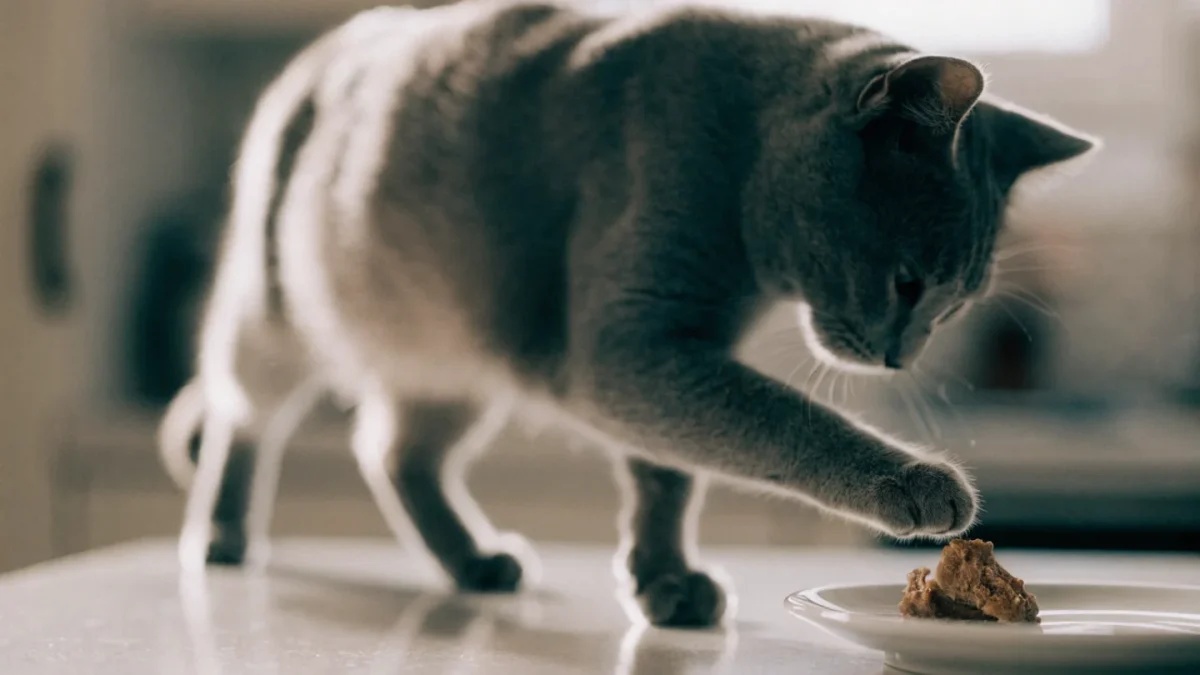
Cats are odd about treats. Not all of them — some cats are enthusiastic about any morsel offered by a human they trust. But a surprising number of my cat patients have developed a very specific treat preference that they'll hold out for, to the point of refusing their regular food if they think treats might be forthcoming.
I had a client with an 8-year-old orange tabby, Satsuma, who had essentially conducted a prolonged hunger strike until his owner conceded to his favorite soft treat. He would sit next to his food bowl and look balefully at it, then look at his owner, then back at the bowl. He knew what he was doing. She eventually called me in mild desperation.
The treat, it turned out, was primarily corn starch and artificial chicken flavor. Highly palatable due to sodium content. And he was getting it five or six times a day.
We had a conversation about cats, carbohydrates, and leverage. Satsuma, eventually and reluctantly, came around.
Why Cat Treats Deserve More Scrutiny
Cats are obligate carnivores. Unlike dogs, who are omnivores and can derive energy from carbohydrates reasonably well, cats have limited metabolic pathways for processing high carbohydrate loads and genuinely do better on high-protein, lower-carbohydrate diets. Their livers have reduced glucokinase activity compared to dogs and humans, which limits their ability to process large glucose loads efficiently — cats essentially lack meaningful hepatic glucokinase activity at all, a well-documented quirk of their evolution as strict carnivores whose ancestral prey was only about 2% carbohydrate.
This matters for treats because a substantial portion of the commercial cat treat market is soft, semi-moist, or paste-format treats that are high in starch, sugar, and moisture-retaining carbohydrates. They're manufactured to be intensely palatable and often succeed — cats who don't normally overeat will consume these enthusiastically.
They're not toxic. But they're also not what cats need nutritionally, and regular high-carbohydrate treat feeding isn't consistent with good feline nutritional management.
Treat Types That Work Well for Cats
Freeze-dried single-protein treats. These are my consistent first recommendation for cats. Just chicken breast, or just salmon, or just rabbit — freeze-dried so the moisture is removed but nutritional integrity is largely preserved. High protein, minimal carbohydrates, no additives. Cats typically find them highly palatable, especially protein sources they're used to.
The calorie count is usually reasonable — most small freeze-dried pieces are 1-4 calories each — which makes them practical for training and routine rewarding without blowing the calorie budget.
Dehydrated meat treats. Similar principle to freeze-dried, usually slightly less expensive, good protein content. The processing temperature is higher with dehydration than freeze-drying, which means some nutrient degradation, but for occasional treats this is inconsequential.
Plain cooked meat pieces. Small pieces of plain cooked chicken, turkey, or fish work well as occasional cat treats. No seasoning — just cooked protein. Cats find these motivating, the ingredient list is one item, and you know exactly what's in them.
Prescription dental treats with efficacy data. For cats, dental disease is extremely common — the commonly cited figure is that around 70% of cats have some degree of periodontal disease by age 3, and thorough anesthetized-exam studies have found it in up to 96%. (For what it's worth, general practice records catch far fewer of these cases — closer to 15% — mostly because most cats never get the full anesthetized oral exam that's needed to find it, not because the disease isn't there.) Dental treats that have been validated for plaque reduction add actual functional value and are worth using as part of a dental care routine. Not a substitute for tooth brushing, but a meaningful supplement to it.
Puzzle and enrichment feeders using regular food. Technically not a "treat," but I include it because it addresses the enrichment function of treats without adding calories. Distributing a portion of a cat's regular meal through a puzzle feeder turns feeding time into cognitive engagement. This is especially valuable for indoor cats who don't have natural hunting and foraging stimulation.
What I Look to Avoid in Cat Treats
High starch, high sugar formulations. Corn starch, rice flour, wheat flour, corn syrup as primary or near-primary ingredients in soft treats. These are carbohydrates with low nutritional value for cats. The treats are made this way to achieve a soft, moldable texture at low cost — not for the cat's benefit.
Treats that are primarily carbohydrate-based but claim protein on the front. "Chicken flavored" paste treats that list chicken flavor fourth or fifth behind several starches. The chicken is a flavoring agent, not a substantial protein source.
Treats that promote treat dependency. Intensely palatable treats given multiple times daily can shift a cat's food preference to the point where they hold out for treats rather than eating their balanced main diet. Satsuma was an extreme case, but milder versions of this are common. I recommend variety in treat type and keeping any single highly-palatable treat to an occasional or earned status rather than routine.
Very high sodium products. Sodium enhances palatability and is used in many commercial treats. Cats with early kidney or cardiac disease are particularly vulnerable to excessive sodium, but healthy cats don't need it either.
Treats with artificial colors. Cats are dichromats — they have a very different color perception than humans and don't care about the color of their food. Artificial colorants serve human perception only. No functional reason for them to be in the formula.
The Treat Dependency Problem and How to Avoid It
The Satsuma situation — cat refuses regular food unless treated — is more common than owners realize, and more common in cats than in dogs because cats are more willing to not eat. A dog refusing food is usually sick; a cat refusing food in favor of treats is often engaged in successful negotiation.
Prevention is easier than correction. Practical habits:
- Don't offer treats before or during regular meal time. The meal comes first; treats are separate occasions.
- Don't increase treat volume in response to a cat refusing their food. This immediately teaches that holding out works.
- Vary the treats used so no single item becomes the special reward that can be held out for.
- Keep treats as distinct events — earned through interaction, training, or scheduled occasions — rather than continuous ambient availability.
If treat dependency has already developed, the correction involves patience and a brief period where the cat will be unhappy with you. Withdraw the high-palatability treat for several days, offer the regular food, and wait. Cats who are otherwise healthy will eventually eat their balanced diet. This is uncomfortable for the owner. It's fine for the cat. Satsuma adjusted within about a week, though his expression for those seven days was one of sustained, dignified reproach.
A Word on "Functional" Cat Treats
Treats claiming calming, immune support, or joint support benefits appear in the cat treat market. My standards for these are the same as for dog treats: I want to see a biological mechanism with real evidence, not just ingredient plausibility.
Some joint supplement treats containing fish oil or green-lipped mussel are reasonable if the omega-3 dose is meaningful and the product quality is good. Some probiotic treats containing documented strains at useful concentrations have a real role in gut health support. Calming treats for cats remain a mixed evidence category — some cats do respond to L-theanine or certain herbal combinations, but individual response is highly variable. I'll be candid that the one published feline L-theanine study I'd point you to was open-label with no placebo group, so "some cats respond" is an honest summary of where the evidence actually sits, not a hedge to avoid a stronger claim I'm not making.
For cats with specific health conditions, any functional treat should be discussed with your vet — not because treats are especially risky, but because they add ingredients that interact with the overall dietary plan.