
Directed retrieve is one of the building blocks of competition obedience and also a genuinely useful real-world skill. A dog that can fetch a specific named object — your keys, a specific toy, the TV remote — is a helpful companion. A dog that can differentiate between multiple objects by scent is an impressive working animal.
The Building Blocks
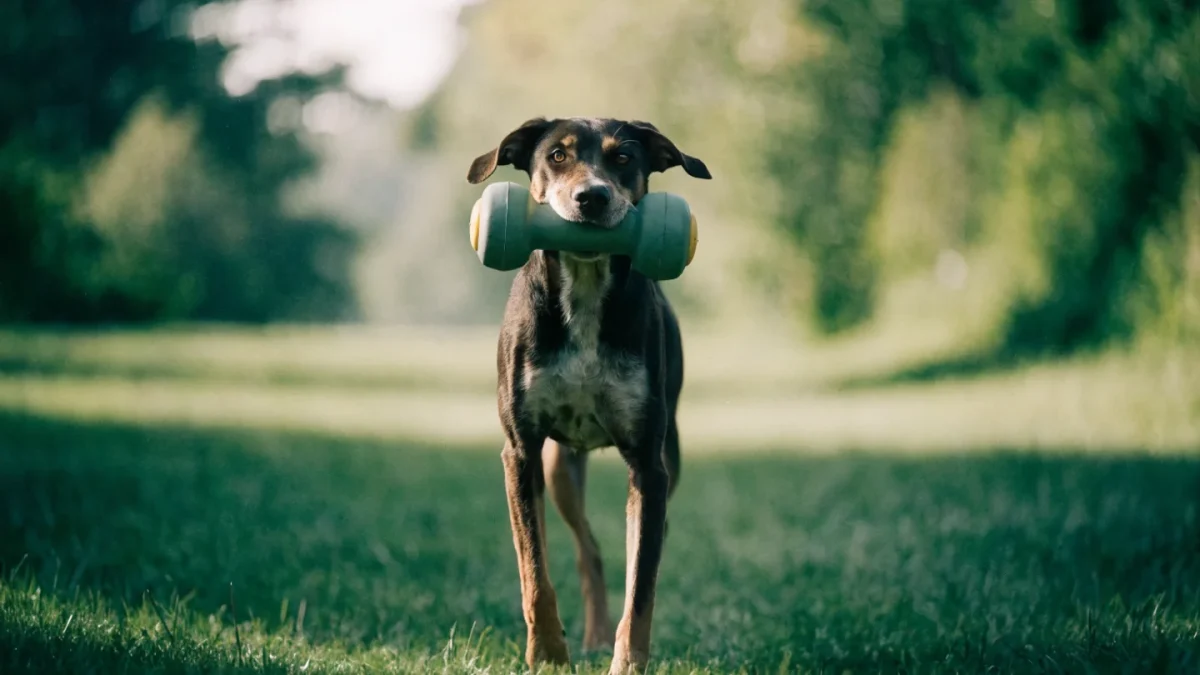
Hold: Your dog holds an object in their mouth without dropping it. Start by placing an object in their mouth and rewarding them for holding it for a second, two seconds, five seconds. Build duration.
Take it: Your dog picks up an object from your hand on cue. From the hold behavior, place the object on the ground and ask them to take it. Gradually distance the object.
Bring it: Your dog picks up the object and carries it back to you. Combine take-it with coming to you.
Drop it (to hand): Your dog releases the object into your hand rather than on the floor. The object lands in your hand — this is "delivery to hand" for the formal retrieve.
The Full Retrieve Chain
Once individual components are solid, chain them:
"Fetch" (or your chosen cue) → dog goes to object → picks it up → returns to you → sits in front → delivers to your hand.
Build this chain backward: teach delivery to hand first, then add the return, then add distance for picking up the object.
Adding Object Discrimination
This is the advanced part: multiple objects on the ground, your dog must return only the one that has your scent or that you've designated. (See also: dog sports and enrichment.)
Build this slowly. Start with one object (yours) and one neutral object. Send your dog. When they go to your object and retrieve it: jackpot. If they go to the neutral object: no reward, call them back, try again.
Over many repetitions, your dog learns to use scent to differentiate.
Practical Applications
Even without full competition-level object discrimination, a solid "bring me [name]" behavior is incredibly useful. Teach your dog the name of one or two objects by consistently naming them during fetch games. After many repetitions with a single named object, many dogs reliably respond to that specific name. (See also: chaining commands.)
Start with hold today: place a lightweight object gently in your dog's mouth, say "hold," and immediately mark and reward for any duration of holding. Three seconds is a win at first. Build from there.