

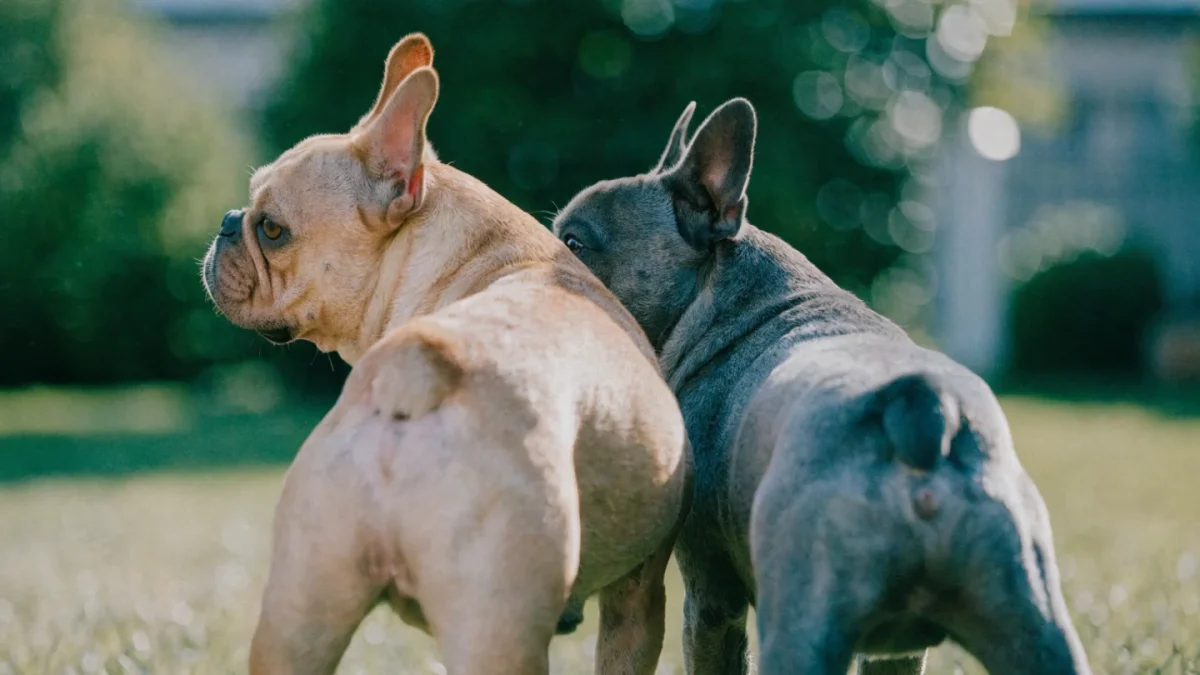
"Rare color" is a marketing term. It's not a genetic category, not a breed designation, not a quality indicator. It's a pricing mechanism. The French Bulldog has become the primary vehicle for rare-color marketing because the breed's popularity creates a deep pool of buyers willing to pay premium prices, its compact genetics make color manipulation relatively straightforward, and a breed already facing serious health scrutiny is less likely to attract additional attention for what color its coat happens to be. That combination — high demand, color-amenable genetics, obscured health consequences — turned the Frenchie into the center of the most misleading corner of the dog market.
I covered the French Bulldog health crisis starting in 2014, and I've watched the rare-color segment grow on top of an already-compromised foundation. The genetics are genuinely interesting — the pigment system in dogs is elegant and worth understanding on its own terms. But that science gets weaponized as marketing copy, stripped of the parts that would complicate the sale. So here's the full picture: how coat color actually works, which "rare" colors carry direct health risks, and what's really being sold when someone advertises a four-thousand-dollar "Isabella merle" puppy.
How Coat Color Works: The Basics
Dog coat color is governed by a handful of gene loci, each controlling different aspects of pigment production, distribution, and intensity. In French Bulldogs, the most relevant are:
The A locus (Agouti): Controls the pattern of eumelanin (black/brown pigment) and phaeomelanin (red/yellow pigment) distribution. The most common allele in Frenchies is Ay (sable/fawn), which produces the standard fawn coat with variable amounts of dark-tipped hairs.
The K locus (Dominant Black): The KB allele produces a solid black coat by overriding the A locus pattern. The ky allele (recessive) allows the A locus pattern to show through. Brindle is controlled by the kbr allele at this locus — it produces the characteristic dark striping over a fawn base.
The E locus (Extension): Controls whether eumelanin can be deposited in the coat at all. The recessive e/e genotype produces a cream or white dog by preventing black pigment from reaching the hair shaft, regardless of what the A and K loci would otherwise produce.
The B locus (Brown): The recessive b/b genotype converts all eumelanin from black to brown (chocolate). This changes coat color, nose pigment, and eye color.
The D locus (Dilution): Here's where the controversy begins.
The Dilution Gene: Blue and Lilac
The D locus carries alleles that control the intensity of pigment. The dominant D allele produces normal pigment concentration. The recessive d allele, when homozygous (d/d), dilutes black pigment to a blue-gray (producing "blue" French Bulldogs) and dilutes brown pigment to a pale lavender-gray (producing "lilac" dogs when combined with b/b at the B locus).
The genetics are straightforward: blue = d/d with black pigment; lilac = d/d combined with b/b. Both parents must carry at least one copy of the recessive d allele to produce dilute offspring.
The health concern is equally straightforward. The d/d genotype is associated with color dilution alopecia (CDA), a condition in which the diluted melanin granules clump abnormally within hair follicles, causing structural weakness in the hair shaft. The result is progressive hair thinning and loss — typically starting along the back and flanks — accompanied by dry, scaly skin and recurring secondary bacterial infections.
Not every d/d dog develops CDA. The prevalence varies significantly by breed — very high in blue Dobermans, considerably lower in Italian Greyhounds, and essentially absent in Weimaraners despite their dilute coats. Expression ranges from mild hair thinning requiring no treatment to severe, widespread alopecia with secondary bacterial skin infections requiring ongoing veterinary management, according to veterinary dermatology literature. But the correlation between the dilution genotype and CDA is established across multiple breeds, including Dobermans, Italian Greyhounds, and Weimaraners. In French Bulldogs, the risk is compounded by the breed's pre-existing tendency toward allergic skin conditions.
A blue French Bulldog with CDA requires lifelong dermatological management — medicated shampoos, antibiotics for secondary infections, and in some cases immunomodulatory drugs. This is on top of the breed's baseline skin care needs.
Merle: A Different Level of Risk
Merle is genetically distinct from dilution and carries more severe potential consequences. The merle pattern is caused by a SINE insertion in the PMEL17 gene (also called SILV), which disrupts melanin production in random patches, creating the characteristic mottled or marbled coat pattern.
A single copy of the merle allele (M/m) produces the visible merle pattern with generally mild or no associated health effects. The problems arise when two merle-carrying dogs are bred together.
Double merle (M/M) puppies receive two copies of the merle allele. The resulting double disruption of melanin production affects not just the coat but also pigmented structures in the eyes and inner ears:
- Deafness: Partial or complete, often bilateral. The stria vascularis in the inner ear relies on melanocytes for normal function. Without adequate pigment, this structure degenerates, causing sensorineural hearing loss.
- Eye defects: Microphthalmia (abnormally small eyes), coloboma (structural defects in the eye), and other malformations occur at elevated rates in double merle dogs. Some are born functionally blind.
These are not rare complications of double merle breeding. They are predictable, well-documented genetic outcomes that any breeder with basic knowledge of color genetics should know how to avoid. The fact that double merle French Bulldogs continue to be produced is a failure of breeding ethics, not a failure of science.
Most major kennel clubs do not accept merle as a standard French Bulldog color, and some actively refuse registration of merle dogs. The breed's history does not include merle as a traditional color — it was introduced through outcrosses with other breeds, most likely Chihuahuas, and its presence in the French Bulldog gene pool is relatively recent.
Standard Colors: What the Breed Was Built On
The traditional French Bulldog palette is narrower than the marketing would suggest:
- Fawn: Ranges from light cream-fawn to deep reddish fawn. The most common base color, often with a dark mask (melanin on the muzzle, around the eyes, and sometimes on the ears).
- Brindle: Dark stripes over a fawn base. Ranges from light (tiger brindle) to so heavy it appears almost black (seal brindle). This is the kbr allele at work.
- White/Pied: Areas with no pigmented hair, produced by the S locus (piebald/white spotting). Many French Bulldogs are pied — combinations of white with fawn or brindle patches.
- Cream: A very light fawn, often produced by the e/e genotype at the E locus, which prevents eumelanin deposition entirely.
These colors have been present in the breed for over a century. They're not "boring" — they're the palette that breed founders selected for and that responsible breeders have maintained. A healthy, well-bred fawn French Bulldog with open nostrils and clear breathing is worth infinitely more than a lilac puppy from untested parents, regardless of what the market says.
The Market Distortion
The fundamental problem with rare-color breeding isn't the colors themselves — it's the incentive structure. When a blue French Bulldog sells for two to four times the price of a standard-colored dog, the financial incentive to breed for color overwhelms the incentive to breed for health.
Breeders chasing color premiums often:
- Select breeding pairs based on color genotype rather than health test results
- Use unregistered or cross-bred dogs to introduce rare color genes
- Skip respiratory grading, spinal screening, and orthopedic testing
- Breed dogs that would be disqualified from responsible programs due to health issues
- Market directly through social media, bypassing breed club oversight
The result is that rare-color French Bulldogs, as a population, tend to have lower rates of health testing than standard-colored dogs from established breeding programs. This isn't universally true — some breeders produce dilute or chocolate dogs from fully health-tested parents — but the market trend is clear.
For buyers, the takeaway is simple: evaluate health testing first, color last. Any breeder who leads with color in their marketing is telling you their priorities. Listen.
What Responsible Color Breeding Looks Like
It is possible to breed non-standard colors responsibly. It requires:
- Full health testing of both parents (BOAS grading, patellar screening, spinal evaluation, eye exam, DNA panels)
- Understanding of the specific color genetics involved and their associated risks
- Avoidance of double merle matings under all circumstances
- Transparency with buyers about CDA risk in dilute dogs
- Commitment to breeding for health and structure first, with color as a secondary characteristic
If a breeder meets all five of these criteria, the color of the puppy is a personal preference, not a health gamble. The problem is that the vast majority of rare-color breeding operations fail on one or more of these points.
The Right Perspective
For a complete overview of the breed's physical characteristics and health considerations, the French Bulldog breed guide provides the broader context. Color is one small piece of a much larger picture.
The genetics behind French Bulldog coat colors are fascinating — genuinely interesting science involving allele interactions, epistasis, and the unpredictable visual outcomes of recessive gene combinations. But fascination with the science should not blind anyone to the practical consequences of selecting for phenotypes that carry health costs. A dog is not a fashion accessory. Its color is the least important thing about its quality of life.
Frequently Asked Questions
Is it safe to buy a blue French Bulldog?
It depends entirely on the breeder's practices. A blue French Bulldog from health-tested parents with documented BOAS grading, spinal screening, and patellar evaluation — and a breeder who honestly discloses the CDA risk — is a reasonable choice for an informed buyer. A blue Frenchie from untested parents, marketed primarily on color, is a gamble with stacked odds. Ask for health documentation before discussing color.
Why don't kennel clubs accept merle French Bulldogs?
Merle is not a traditional French Bulldog color and was introduced through outcrosses with other breeds. Beyond the historical basis, kennel clubs are concerned about the health risks associated with double merle breeding — specifically deafness and eye defects. By refusing to register merle dogs, registries aim to discourage breeding practices that produce predictably compromised puppies.
Can you tell a puppy's adult color from its coat at birth?
Partially. Brindle, fawn, and white/pied patterns are usually identifiable at birth, though brindle intensity can change as the coat matures. Dilute colors (blue, lilac) are generally apparent at birth due to the visible difference in pigment intensity. However, masking patterns may develop or intensify over the first few months — a puppy that appears plain fawn at eight weeks may develop a more pronounced dark mask by six months. DNA testing provides definitive genotype information at any age.