

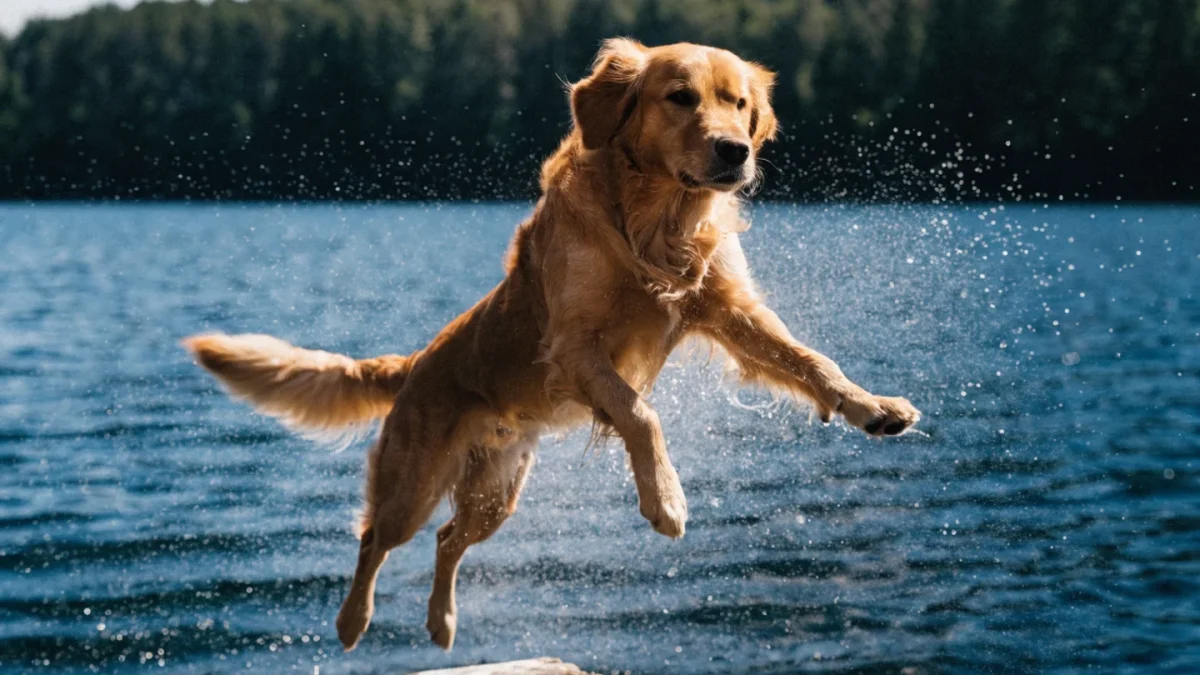
Golden retrievers were bred to spend full days retrieving waterfowl across the Scottish Highlands — swimming through cold lochs, running through heather and bog, and doing it all over again the next morning. That heritage didn't disappear when the breed moved into suburban living rooms. The engine is still there. The question is whether you'll give it somewhere to go.
A golden retriever needs a minimum of 60 to 90 minutes of structured exercise every day. Structured is the operative word. A slow walk around the block might satisfy a senior Basset Hound. For a golden, it barely counts as a warm-up.
What Counts as Structured Exercise
1. Retrieving Games
This is the most breed-appropriate activity you can offer. Fetch with a ball, a bumper, or a training dummy engages the golden's core instinct — the drive to chase, pick up, carry, and deliver. A 20-minute retrieving session in a park or field provides more physical and mental stimulation than an hour of leashed walking.
2. Swimming
Most goldens don't just tolerate water — they seek it out with single-minded determination. Swimming is outstanding exercise for the breed because it's high-exertion but low-impact, sparing the joints that are already at risk for dysplasia. If you have access to a safe body of water, swimming may become the centerpiece of your exercise routine. The dog will certainly vote for it.
3. Hiking and Trail Work
Goldens are durable on trails. They have good stamina, solid paw pads, and enough athleticism to handle varied terrain. Off-leash hiking (where permitted and safe) allows the dog to set its own pace and explore through scent — an activity that's mentally exhausting in the best way.
4. Training as Exercise
Obedience drills, rally courses, agility foundations, and scent work all count as exercise. A golden retriever working through a complex training sequence is burning energy mentally and physically. Short, intense training sessions (15 to 20 minutes) paired with a longer physical outing create a well-rounded exercise day.
5. Dog Sports
Goldens excel in organized canine sports: dock diving, agility, rally obedience, and field trials all channel the breed's athleticism and biddability. If you want to see what a golden retriever was built to do, enter a dock diving competition and watch.
Age-Specific Guidelines
Puppies (Under 12 Months)
Puppy joints and growth plates are vulnerable. Over-exercising a growing golden — forced running, repetitive jumping, long hikes on hard surfaces — risks permanent damage to developing bones and cartilage.
A commonly referenced guideline is five minutes of structured exercise per month of age, twice daily. An eight-week-old gets two ten-minute sessions. A six-month-old gets two thirty-minute sessions. This is a starting framework, not a rigid formula — adjust based on the individual puppy's energy and recovery.
Free play on grass or soft surfaces is different from forced exercise. Let puppies run, tumble, and explore at their own pace. Avoid sustained running on pavement until growth plates have closed, typically between 12 and 18 months. Your veterinarian can confirm closure through radiographs if you're planning high-impact activities.
Adults (1 to 7 Years)
Peak exercise demand. Most adult goldens want and need 60 to 90 minutes daily, with some high-drive individuals — particularly from field breeding lines — requiring closer to two hours. Split the time if needed: a 30-minute morning session and a 45-minute evening session works well for most schedules.
The golden retriever temperament page covers what happens when this need goes unmet — destructive behavior, anxiety, and a dog that makes its own entertainment at your expense.
Seniors (8+ Years)
Activity levels decline naturally. Watch for signs of arthritis, stiffness after exercise, or reluctance to engage in previously enjoyed activities. Shorten distances, lower intensity, and switch to joint-friendly options like swimming. A senior golden still needs daily movement — it just looks different than it did at age three.
What Happens Without Enough Exercise
A golden retriever that doesn't get enough physical output will tell you. The signals are consistent: digging, chewing, barking, counter-surfing, restlessness, and obsessive behaviors like pacing or spinning. These are not behavioral problems. They're unmet needs expressing themselves through the only channels the dog has available.
The golden retriever breed guide addresses this breed's energy profile in the context of overall ownership requirements. Exercise isn't one item on the checklist — it's the foundation that makes everything else work. A well-exercised golden is calm indoors, responsive to training, and content to rest. An under-exercised golden is none of those things.
The Right Owner for This Level of Activity
Golden retrievers match best with people who are already physically active or willing to become so. If you run, hike, swim, or spend significant time outdoors, a golden fits naturally into that lifestyle. If your idea of a good evening is sitting still for four hours — and you don't have a plan for the dog's energy before that — this breed will challenge you.
Honesty about your activity level before getting a golden retriever saves both the human and the dog from a mismatch that neither will enjoy.