

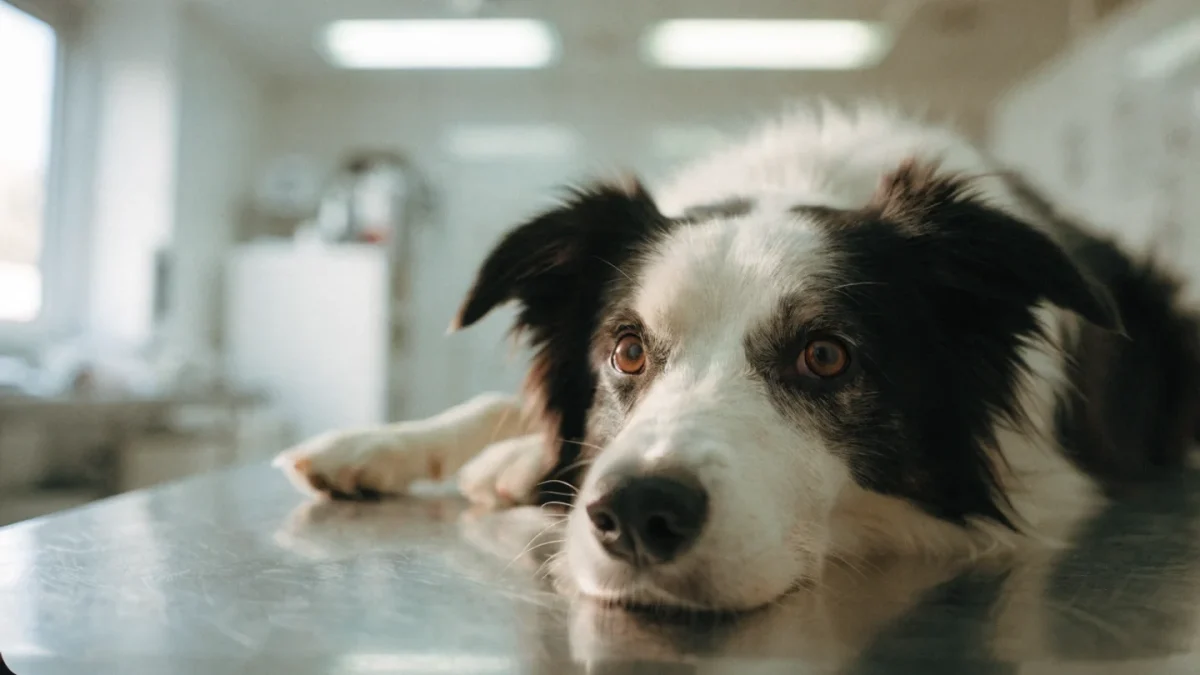
The worst version of this presentation is the dog who gets hit by a car, gets up, runs back to the owner, and seems fine. Tail wagging, alert, maybe limping a little. The owner feels an enormous wave of relief. "He's okay," they think. And maybe he is. But maybe his spleen is lacerated and slowly leaking blood into the abdomen, or his bladder is ruptured, or he has a pneumothorax that will worsen over the next six hours.
I've treated too many "he seemed fine after" cases that deteriorated at home. Adrenaline is a powerful drug. It masks pain, suppresses symptoms, and creates a false window of normalcy that can last hours. My rule for trauma: assume the worst, verify the best.
Immediate Actions After Any Trauma
Don't assume. A pet who's walking, eating, or acting normally after a traumatic event can still have life-threatening injuries.
Approach with caution. Injured animals bite — even the sweetest ones. Pain and fear override personality. If you can safely muzzle the dog (using a leash, a strip of fabric, or a commercial muzzle), do so before handling. For cats, wrapping them in a thick towel limits movement and protects you.
Control visible bleeding. Press a clean cloth or towel firmly against any actively bleeding wound. Apply steady pressure for at least three minutes without lifting to check. If blood soaks through, add more material on top — don't remove the original layer, because you'll dislodge any clot that's forming.
Minimize movement for suspected spinal injuries. If the pet can't move its hind legs, is crying with any back or neck movement, or was struck in a way that could involve the spine, use a flat rigid surface (a board, a door removed from hinges, even a large baking sheet for a small pet) as a stretcher. Keep the spine aligned.
Transport to an emergency vet. Call ahead if someone else can make the call while you drive. The hospital can have a crash team ready.
Hit by a Car
This is the trauma I see most frequently in emergency practice, and the injuries follow predictable patterns depending on the pet's size and the speed of impact.
Thoracic trauma — bruised lungs (pulmonary contusion), pneumothorax (air leaking into the chest cavity from torn lung tissue), and rib fractures. These may not be obvious initially. A dog with pulmonary contusions might breathe normally for the first hour, then gradually develop increased respiratory effort as inflammation and fluid build in the lungs. This is why radiographs 6 to 12 hours after trauma are often more informative than immediate ones.
Abdominal injuries — ruptured spleen, liver lacerations, bladder rupture, and diaphragmatic hernia (where the force of impact tears the diaphragm, allowing abdominal organs to shift into the chest). I've diagnosed diaphragmatic hernias weeks after the original trauma because the initial symptoms were subtle — the liver or intestines gradually migrated through the tear.
Orthopedic injuries — fractures of the pelvis, femur, and lower legs are common. Pelvic fractures are particularly sneaky because the pet can sometimes still walk despite having multiple fractures — the pelvis is a ring structure, and partial fractures don't always prevent weight-bearing.
The "looked fine" dog. I had a Border Collie who got clipped by a car at low speed. The owner brought him in because she was diligent, not because the dog seemed injured. He was walking normally, eating treats in the exam room. X-rays revealed a small pneumothorax. We hospitalized him, and over the next four hours, the pneumothorax expanded. He needed a chest tube. Without monitoring, that dog would have gone home and potentially developed respiratory failure overnight.
Bite Wounds
Bite wounds are deceptive. The visible puncture on the surface is the tip of the iceberg. Underneath, the crushing force of a bite creates a pocket of dead tissue, contaminated with oral bacteria, that's much larger than the skin wound suggests.
Small dogs bitten by larger dogs are the highest-risk group. A dog-on-dog attack where a large dog grabs and shakes a small dog can cause massive internal damage — rib fractures, liver or splenic tears, spinal injury — with only a few small puncture wounds visible on the skin.
Cat bite wounds are different but equally concerning. Cat teeth are narrow and create deep punctures that seal over quickly, trapping bacteria (particularly Pasteurella) inside. A cat bite that looks like nothing more than a small hole can develop into a severe abscess or cellulitis within 24 to 48 hours. For related context, see poisoning in pets: common toxins.
Any bite wound warrants a veterinary exam within 24 hours. Thoracic X-rays are indicated for any small pet grabbed by a larger animal. Antibiotics are almost always necessary. And wounds that seem small but have an unusual amount of air under the skin on palpation may indicate a body wall penetration — the bite went through the muscle wall into the chest or abdomen.
Falls
Cats fall from windows and balconies frequently enough that veterinary medicine has a term for it: high-rise syndrome. The injury pattern depends on the height.
Falls from moderate heights (two to six stories) produce the worst injuries — the cat has enough time to orient but not enough distance to reach terminal velocity and engage the "parachute" posture. Jaw fractures, split palates, and forelimb fractures are classic.
Falls from greater heights paradoxically produce fewer skeletal injuries (at least in some studies) because the cat has time to splay its body and slow descent, but thoracic injuries — pneumothorax and pulmonary contusions — are more common.
Dogs fall from heights less often, but deck collapses, window incidents, and falls from truck beds all happen. The injury patterns are more severe because dogs are heavier and less agile than cats in the air.
After the ER Visit
Follow-up matters. Recheck X-rays 12 to 24 hours after thoracic trauma to assess for delayed pulmonary contusions or expanding pneumothorax. Monitor bite wounds for swelling, discharge, or fever in the days following. Watch for delayed pale gums, which can indicate slow internal bleeding that wasn't detectable at the initial visit.
Restrict activity for the recommended period. I know it's hard when the dog seems fine and wants to play — but a pet with healing rib fractures or a recovering lung contusion can re-injure with exertion. Follow the instructions, even when the patient disagrees.
Every trauma case is a reminder that pet emergencies don't always look dramatic from the outside. The dramatic ones are easy — obvious bleeding, broken bones, an animal who can't stand. The dangerous ones are the pets who look okay, because they fool everyone: the owner, sometimes even the vet on initial exam. Imaging and observation time are the safety net.