

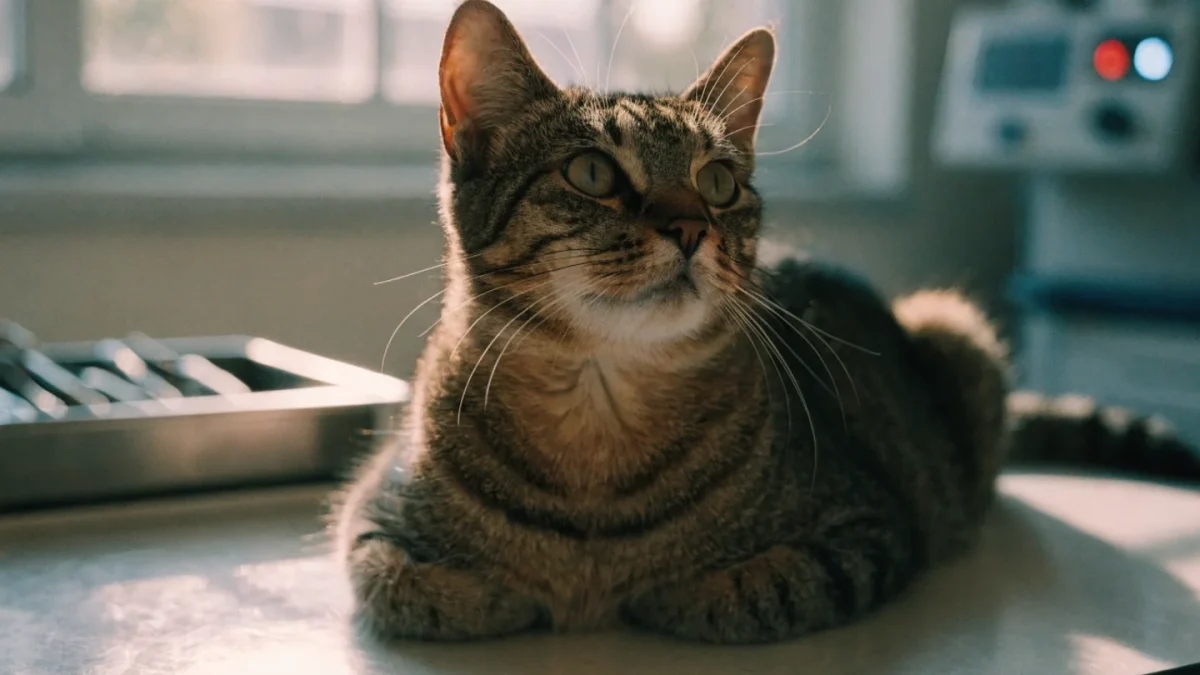
A nine-year-old Siamese named Mochi came in last month for what her owner called "just her annual." Linda, Mochi's owner, kept saying the cat was fine — eating well, playing with the dog, nothing weird. But on palpation, Mochi's left kidney felt smaller than it should have. Bloodwork confirmed it: early Stage 2 chronic kidney disease. Linda's face went blank. "But she's been completely normal." And she had been. That's the problem.
Understanding the most common cat health problems doesn't require a medical degree. What it does require is knowing what "normal" looks like for your individual cat and having enough baseline knowledge to recognize when something has shifted. Mochi's case isn't unusual — it's practically my weekly routine.
Dental Disease: The Silent Epidemic
More cats have dental disease than almost any other condition I see. By age three, the majority of domestic cats show some degree of periodontal disease — tartar buildup, gum inflammation, or early tooth resorption. By middle age, many cats have teeth that are genuinely painful.
The insidious part is that most cats keep eating even with significant oral pain. Cats that "go off food" or drool excessively are showing late-stage signs. Earlier indicators include:
- Dropping food or chewing on one side only
- Pawing at the mouth or face
- Bad breath that goes beyond normal "cat breath"
- Reluctance to have the face touched
- Reduced grooming (painful mouth = less grooming)
Dental disease isn't cosmetic. Bacteria from inflamed gums can enter the bloodstream and affect the kidneys, heart, and liver over time. Professional dental cleanings under anesthesia, while daunting for some owners to consider, are often the single most impactful thing that can be done for a cat's quality of life. It bears repeating: if you could only do one procedure for a middle-aged cat, make it the dental.
Chronic Kidney Disease
This is the section I could write in my sleep — and honestly, it's the one I can't stop thinking about.
Chronic kidney disease (CKD) is probably the condition I diagnose most frequently in cats over ten years old. The kidneys lose functional tissue gradually — sometimes so gradually that a cat can lose two-thirds of kidney function before showing any symptoms at all. That's what happened with Mochi. And it's what happened with Olive.
Olive, my own fourteen-year-old tortoiseshell, was diagnosed at her annual bloodwork two years ago — before she showed a single symptom. Her creatinine had crept up just enough to catch her vet's attention, and her SDMA confirmed it. Stage 2. I remember staring at the numbers feeling the exact thing every owner feels: the quiet dread of a disease you can manage but can't fix. I track her values quarterly now, adjust her phosphorus-restricted diet when she decides she's bored with the current texture (which is roughly every six weeks — she's particular), and watch for the subtle shifts that mean things are progressing.
When signs do appear in any cat, they include increased thirst, increased urination, weight loss, reduced appetite, and occasional vomiting. A coat that's become dull or unkempt is often a quiet early clue — I noticed Olive's coat looking slightly less glossy about a month before her numbers confirmed what I suspected.
CKD is not curable, but it is highly manageable. Cats diagnosed early, before they're in a crisis, can live comfortably for years with the right dietary adjustments, hydration support, and periodic bloodwork monitoring. Olive's a living example of that. Two years in, her numbers are stable, she still sleeps in the bathroom sink every night, and she still has opinions about everything.
This is why annual bloodwork matters even in cats that appear healthy — we can catch rising creatinine and phosphorus levels before the cat feels unwell. I can't say this strongly enough. If Olive were someone else's cat and they'd skipped the bloodwork because "she seems fine," we might not have caught it until Stage 3 or 4. The window for early intervention is real, and it closes.
Hyperthyroidism
Hyperthyroidism is caused by an overactive thyroid gland, usually due to a benign tumor on the thyroid. It's one of the most common endocrine disorders in middle-aged and senior cats, and it's also one of the most treatable.
A hyperthyroid cat is often paradoxically hungry — eating well, sometimes ravenously, but losing weight. They may be restless or vocal at night, have a fast heart rate, drink and urinate more, and develop an unkempt coat despite eating enough.
The condition is confirmed with a simple blood test measuring thyroid hormone levels. Treatment options range from daily medication and a specialized iodine-restricted diet to a one-time radioactive iodine procedure that's curative in most cases. The right option depends on the individual cat's health and the owner's lifestyle.
Feline Diabetes
Diabetes in cats develops when either the pancreas can't produce enough insulin or the body's cells become resistant to it. Obesity is the largest modifiable risk factor, though genetics play a role. Neutered male cats appear to be at somewhat higher risk — a finding reported across several studies, including a large-scale analysis published in JFMS Open Reports examining signalment data from over 129,000 cats, though the association with neutering becomes less clear when controlling for concurrent obesity.
The classic signs are the same ones we see in diabetic humans: increased thirst, increased urination, weight loss despite a good appetite, and weakness in the hind legs (a distinctive hind limb neuropathy called plantigrade stance, where the cat walks on its hocks rather than its toes).
What many owners don't know is that feline diabetes can sometimes go into remission with early, aggressive treatment. Cats managed with insulin and a low-carbohydrate diet — ideally a high-protein, moisture-rich diet — sometimes regain the ability to regulate blood glucose on their own. This makes the timing of diagnosis and the commitment to treatment genuinely consequential.
Infectious Diseases: FIV and FeLV
Feline immunodeficiency virus (FIV) and feline leukemia virus (FeLV) are the two most significant infectious threats to cats, particularly those with outdoor access or who have contact with unknown cats.
FIV is transmitted primarily through bite wounds, which is why intact outdoor males are most commonly affected. A positive FIV test doesn't mean a death sentence — many FIV-positive cats live normal lifespans when kept indoors, fed well, and monitored regularly for secondary infections.
FeLV is more aggressively contagious, transmitted through saliva, nasal secretions, and mutual grooming. Cats with FeLV are immunosuppressed and more vulnerable to secondary infections, lymphoma, and anemia. Understanding infectious diseases including FIV and feline leukemia is essential for any owner with multiple cats or a cat who goes outdoors.
Both viruses are diagnosed with blood tests, and vaccination is available for FeLV in cats with exposure risk.
Upper Respiratory Infections
Upper respiratory infections (URIs) are the feline equivalent of the common cold — viral in most cases, caused primarily by feline herpesvirus-1 (FHV-1) and feline calicivirus. They spread easily wherever cats gather: shelters, catteries, multi-cat homes.
Symptoms include sneezing, nasal discharge, eye discharge, and sometimes fever or oral ulcers. Many cats carry the herpesvirus latently for life, with flare-ups during stress.
Most URIs resolve with supportive care — maintaining nutrition, clearing nasal passages, and ensuring the cat can smell food enough to eat. Complications like bacterial secondary infection sometimes require antibiotics. Very young, very old, or immunocompromised cats can become seriously ill from what looks like a simple cold.
Inflammatory Bowel Disease and Gastrointestinal Problems
Chronic vomiting is something I see clients accept as "normal" for their cat when it often isn't. Inflammatory bowel disease (IBD) is an umbrella term for chronic inflammation of the gastrointestinal tract. Affected cats typically have intermittent vomiting, diarrhea, weight loss, or some combination of the three.
Diagnosing IBD requires ruling out other causes — parasites, hyperthyroidism, pancreatitis, low-grade lymphoma — often with bloodwork, imaging, and sometimes intestinal biopsy. Management usually involves dietary modification and, in more significant cases, immunosuppressive medication.
For chronic diseases in cats like kidney disease and hyperthyroidism, as well as conditions like IBD, early diagnosis consistently leads to better outcomes.
Urinary Tract Disorders: FLUTD
Feline lower urinary tract disease (FLUTD) encompasses several conditions affecting the bladder and urethra: stress cystitis, urinary crystals, bacterial infections, and blockages. Male cats are at particular risk for life-threatening urinary blockages because of their narrower urethras.
A cat straining in the litter box, making frequent trips with little or no urine output, or crying during urination needs to be seen by a vet the same day. A complete urinary blockage becomes a medical emergency within hours. Don't wait on this one.
The digestive and urinary conditions I see most in practice are consistently under-recognized by owners until the situation becomes acute. Stress reduction, adequate water intake, and wet food diets can reduce the frequency of FLUTD episodes in susceptible cats.
Skin Conditions and Allergies
Skin problems in cats — excessive scratching, hair loss, scabbing, over-grooming — have a long list of possible causes and can be genuinely frustrating to pin down. Fleas are still the most common trigger worldwide, even in indoor cats if they've had any exposure. Environmental allergens, food sensitivities, and parasites like mites or ringworm turn up regularly too.
Before assuming a skin issue is allergy-based, parasite control is always the first step. Many cats labeled as having "mysterious allergies" have actually been reacting to fleas all along.
Cancer
Cancer is unfortunately common in cats. Lymphoma is the most frequently diagnosed feline cancer and can affect the gastrointestinal tract, chest cavity, or lymph nodes. Skin tumors, mammary tumors (which carry a high rate of malignancy in cats, unlike in dogs), and oral tumors are also seen with some frequency.
Early detection matters enormously. Any unexplained lump, persistent sore, or rapid weight loss warrants evaluation. Spaying female cats before their first heat dramatically reduces the risk of mammary tumors — a case-control study published in JFMS found that cats spayed before six months of age had a 91% reduction in mammary carcinoma risk compared with intact cats.
The Annual Exam: Not Optional
Given how many of these conditions develop silently, annual veterinary exams are not a "nice to have" — they're the primary tool we have for catching problems before they become crises. For cats over ten years old, I recommend twice-yearly exams with bloodwork.
What I look for at every exam: body weight (weight loss is the most consistent early indicator across nearly all feline diseases), coat quality, lymph node size, heart and lung sounds, abdominal palpation, and dental assessment.
The cats who do best long-term are the ones whose owners notice small changes early and bring them in before something becomes an emergency.
Frequently Asked Questions
What is the most common health problem in cats?
Dental disease. The majority of adult cats over three have some degree of it, and because cats rarely show obvious signs of oral pain, it almost always goes undetected until a vet exam.
How do I know if my cat is sick?
Watch for changes from your cat's baseline — eating less, weight loss, drinking more or less water, litter box changes, reduced grooming, or a shift in activity level or social behavior. Cats are subtle. A cat who seems "off" for more than a day or two deserves a call to your vet, even if you can't pinpoint exactly what's wrong.
At what age do cats start getting health problems?
Some conditions like dental disease and obesity begin in young adulthood. Chronic kidney disease, hyperthyroidism, diabetes, and arthritis become progressively more common after age seven, with the highest incidence in cats over ten.
Can indoor cats still get sick?
Yes. Most common feline health problems — kidney disease, hyperthyroidism, diabetes, dental disease, IBD — develop regardless of whether a cat goes outdoors. Indoor life reduces infectious disease risk, but it doesn't make a cat immune to illness.
How often should I take my cat to the vet?
Annual exams minimum for healthy adults. Twice yearly once they hit seven or so. Cats with ongoing conditions may need more frequent monitoring — Olive goes in quarterly, for instance, but she's a special case.
Is it normal for cats to vomit?
Occasional hairballs, sure. But vomiting food or liquid more than once or twice a month consistently? That's not normal and it's worth investigating. Chronic vomiting can indicate IBD, hyperthyroidism, kidney disease, or other treatable conditions. I'd rather run the bloodwork and find nothing than assume it's just "a cat thing."