

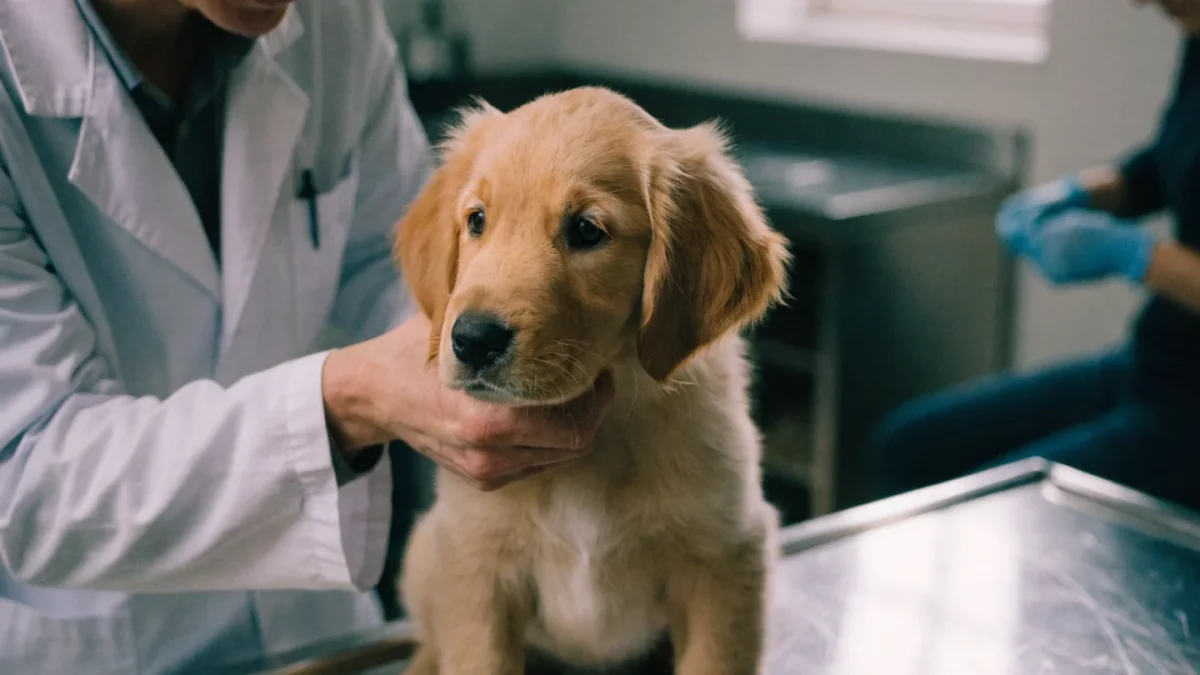
A puppy came into my exam room once completely wrapped in a blanket by her new owner, who was genuinely worried that the clinical smell and bright lights would traumatize her. She turned out to be an extremely confident, wiggly Labrador who immediately tried to eat my stethoscope. But I understood the impulse — that first veterinary visit can feel daunting when you have no idea what to expect.
The reality is that this appointment is one of the most straightforward and positive interactions in your pet's healthcare life. Here's the full picture.
When to Schedule
Ideally within 48–72 hours of bringing your puppy or kitten home. This timing matters for a few reasons:
- It establishes a baseline health record while the animal is at its "arrival" state
- It identifies any illness or congenital problems that might warrant returning the animal to the breeder or shelter (many purchase agreements have a health guarantee window)
- It starts the vaccination series at the appropriate time
Some new owners wait a week or two to "let the animal settle in first." That's understandable, but it means potentially missing the optimal window for first vaccines and delaying parasite testing when parasite burden is highest.
What to Bring
The animal, ideally in a carrier: For kittens and small puppies, a carrier is safer and less stressful than being held on a lap in the waiting room, where other animals and sounds can be overwhelming.
Any paperwork from the breeder or shelter: Vaccination records (if any prior vaccines were given), deworming history, health certificates, and microchip information if already placed.
A fecal sample: A small amount of fresh stool in a clean container or zip-lock bag, ideally from the same day. Older samples can still be tested but may have lower yield.
Your questions: Write them down beforehand. The excitement and conversation of the appointment make it easy to forget what you meant to ask. No question is too basic.
The Physical Examination
The exam is head to tail — thorough, methodical, and gentle. Here's what your vet is actually checking at each step:
Eyes: Clear discharge is normal; yellow or green discharge suggests infection. Eye shape and alignment, early signs of cataracts or corneal abnormalities.
Ears: Odor, discharge, and early signs of ear mites or infection. Ear conformation that may predispose to problems (heavy, pendulous ears increase moisture retention).
Mouth and teeth: Baby teeth count and alignment, cleft palate (should have been identified earlier but can be subtle), early signs of jaw abnormalities. The mouth also provides information about hydration and circulation through gum color — pink is good.
Heart and lungs: Your vet will listen carefully with a stethoscope. Heart murmurs are not uncommon in young puppies and kittens — many are "innocent" murmurs that resolve as the animal matures, but some indicate structural heart disease that warrants follow-up. Lung sounds indicate whether respiratory infection is present.
Abdomen: Palpation of liver, spleen, intestines, and bladder. Umbilical hernia (a soft bulge at the belly button) is a common finding in puppies — usually benign but worth noting.
Lymph nodes: Enlarged lymph nodes suggest active immune response, often from infection or parasites.
Limbs and joints: Gait observation (if the animal can walk safely on the table or floor), elbow and hip range of motion, patellar stability. Early signs of conformational problems.
Reproductive tract: For males, confirming both testicles have descended. Cryptorchidism (undescended testicle) is common in puppies and kittens, and descended by 8 weeks is normal for dogs; if still undescended at 16 weeks, it's worth discussing.
Skin and coat: Parasites (fleas, mites), skin condition, coat quality, and any lumps or lesions.
Neurological observation: Alertness, coordination, and normal reflexes. Subtle neurological abnormalities sometimes present in young animals with developmental issues.
Parasites
The fecal sample you bring will be tested for:
- Roundworms and hookworms (the most common, and treated with standard dewormers)
- Whipworms (in puppies; less common)
- Tapeworms (detected in stool as rice-grain segments; not always visible on fecal float)
- Giardia (a protozoan, requires specific testing and treatment)
- Coccidia (another protozoan; common in young animals, particularly from shelters)
Based on results and deworming history, your vet will prescribe appropriate treatment. If deworming has been done, don't assume parasites are cleared — testing confirms.
Vaccinations at the First Visit
The first visit is typically when the core vaccine series begins. The specific vaccines given depend on age and what (if anything) has been given previously.
For puppies, the core series covers distemper, parvovirus, and adenovirus — usually as a combination vaccine. The puppy vaccination schedule and what each shot covers explains the timing and disease prevention in detail.
For kittens, the core combination covers panleukopenia, herpesvirus, and calicivirus (FVRCP). The kitten vaccination schedule and core vaccines walks through this in full.
Rabies vaccine timing varies by product and local regulations. Your vet will advise when it fits into the schedule.
Other Topics the Visit Covers
Deworming plan: If a protocol hasn't been started, one begins now. Monthly deworming until six months is standard.
Parasite prevention: Flea, tick, and (in endemic regions) heartworm prevention options. The specific products appropriate for your pet depend on age, weight, and your geographic risk.
Nutrition: Confirmation that you're feeding an appropriate diet (puppy or kitten formula, not adult), appropriate portions, and feeding frequency.
Spay/neuter timing: General guidance based on breed and sex. No pressure to commit, but good to begin thinking about.
Microchipping: If not already done, this is a convenient time.
Behavioral guidance: Brief discussion of socialization priorities, bite inhibition in puppies, and common concerns like nighttime crying.
After the Visit
A mild lethargy and reduced appetite for 24 hours after vaccination is normal and expected. More significant symptoms — swelling at the injection site, hives, facial swelling, vomiting within an hour of injection, or extreme lethargy — are uncommon but indicate a possible vaccine reaction and warrant a call to the clinic.
Your next appointment is typically at 12 weeks, then 16 weeks. Some practices schedule a follow-up phone or message check-in after the first visit to address questions that come up once you're home. Take them up on it.
When to See Your Vet Before the Next Scheduled Appointment
Call your clinic if you notice:
- Vomiting more than once in a day
- Bloody stool or severe diarrhea
- Not eating for 24 hours
- Signs of significant lethargy
- Eye or nasal discharge increasing
- Any concern your instincts say is wrong
That instinct is one of the most underrated diagnostic tools in veterinary medicine. Parents of young children know it well. New pet owners learn it quickly.
FAQ
Do I need to bathe my puppy or kitten before the vet visit?
Not necessary. A clean animal is fine, but vets are used to all conditions. More importantly, frequent bathing in very young animals (especially kittens under 12 weeks) can cause dangerous hypothermia. If the animal is soiled, a warm damp cloth to wipe them down is sufficient.
Should my puppy meet other dogs in the waiting room?
For an incompletely vaccinated puppy, avoiding contact with unknown dogs is wise. Waiting rooms can host animals who are sick — that's why they're there. If your clinic allows it, waiting in your car until the exam room is ready reduces unnecessary exposure. Most clinics with multiple exam rooms can accommodate this.
What if my puppy or kitten cries the whole visit?
Some do, especially at this age in an unfamiliar environment. It doesn't mean they're being harmed or that something is wrong. For notably anxious animals, your vet may suggest a pre-visit anxiety protocol for future appointments — there are effective low-stress approaches that make subsequent visits much easier.
How much should a first visit cost?
This varies considerably by region, clinic type, and which services are performed. Generally, you can expect exam fee, fecal testing, first vaccines, and possibly deworming. Asking for a rough estimate when you book is completely reasonable — it helps you prepare and avoids surprises.