

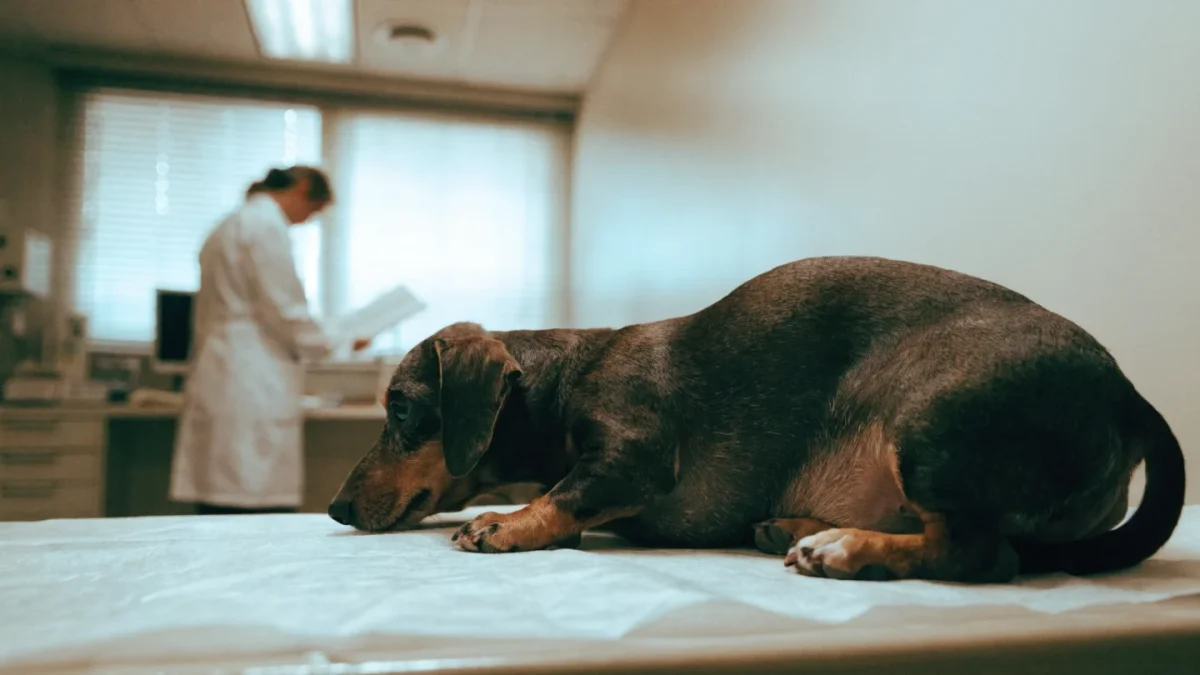
The three metabolic conditions I see most often in middle-aged and senior dogs — diabetes, Cushing's disease, and hypothyroidism — share an unfortunate trait: their early signs look a lot like getting older. A dog who drinks a bit more, moves a bit slower, gains a little weight. Owners often wait a year or more before bringing these dogs in, and by then the disease is well established.
The three most common metabolic diseases in dogs are diabetes mellitus, Cushing's disease (hyperadrenocorticism), and hypothyroidism. All three are manageable with proper diagnosis and treatment, and all three are frequently mistaken for normal aging in the early stages.
This guide covers how each condition works, what to watch for, and what treatment realistically looks like. For the broader picture of dog health issues, the article on common dog health problems is a useful starting point.
Understanding Metabolic Disease in Dogs
Metabolic diseases disrupt the body's internal chemistry — how it processes glucose, regulates hormones, and maintains energy balance. Unlike infections or injuries, they develop slowly and rarely announce themselves with dramatic symptoms. That's what makes them easy to miss and why regular bloodwork matters so much in dogs over seven.
The endocrine system — glands that produce and regulate hormones — is central to all three conditions. The pancreas (insulin production), the adrenal glands (cortisol), and the thyroid gland (metabolism regulation) are the key players here.
Diabetes Mellitus
What's Happening
Diabetes in dogs is almost always Type 1 equivalent — the pancreas fails to produce enough insulin, so glucose can't enter cells efficiently. Blood sugar climbs. Cells starve despite plenty of glucose in the bloodstream. The body starts breaking down fat and muscle for energy.
Who Gets It
Middle-aged and older dogs, more commonly females (particularly unspayed females — the hormonal changes of pregnancy and diestrus can trigger or worsen insulin resistance). Some breeds show elevated incidence — a study published in the Journal of the American Veterinary Medical Association identified Samoyeds, Australian Terriers, Miniature Schnauzers, Pugs, and Toy Poodles as at increased risk in the United States.
Warning Signs
- Increased thirst and urination (often the first things owners notice)
- Increased appetite combined with weight loss
- Cataracts — diabetic dogs frequently develop them rapidly, often within months of onset
- Weakness, lethargy, poor coat condition
- Recurrent infections (UTIs are common in diabetic dogs — elevated urinary glucose feeds bacteria)
Diagnosis
A urine dipstick showing glucose in urine, plus elevated blood glucose on a blood panel, typically confirms diabetes. Your vet will also check for urinary infection and assess for ketoacidosis (a serious complication where the body produces dangerous acid byproducts from fat breakdown).
Management
Daily insulin injections — this is non-negotiable and the part that understandably worries owners most. In practice, most dogs tolerate injections with minimal fuss once a routine is established, and most owners adapt more quickly than they expect. Timing, dose, and type of insulin are determined by your vet based on glucose curves. For a detailed walkthrough of living with a diabetic dog, see the article on diabetes in dogs — symptoms and long-term management.
Diet also matters: consistent meals at consistent times, with carbohydrate content matched to insulin timing. Your vet will guide the specifics.
Cushing's Disease (Hyperadrenocorticism)
What's Happening
The adrenal glands produce cortisol — a stress hormone essential for many body functions. In Cushing's disease, excess cortisol is produced, either because a tumor in the pituitary gland is over-signaling the adrenals (pituitary-dependent, the most common form, accounting for roughly 80–85% of cases according to the FDA and multiple veterinary references) or because a tumor is in the adrenal gland itself.
Chronic cortisol excess has wide-ranging effects on nearly every body system.
Who Gets It
Middle-aged to older dogs, typically 8 years and above. Poodles, Dachshunds, Yorkshire Terriers, Boxers, and Beagles show higher rates, though any breed can develop it. Long-term use of corticosteroid medications (prednisone, for example) can cause an iatrogenic (medication-induced) form of Cushing's — this resolves when the medication is tapered, but must be considered in dogs on long-term steroid therapy.
Warning Signs
The cluster of signs is somewhat distinctive once you know what you're looking at:
- Increased thirst and urination (very prominent — owners often notice this first)
- Increased appetite
- Pot-bellied abdomen — the muscles weaken and abdominal fat redistributes
- Hair loss, typically symmetrical, on the flanks and body (not the head or legs initially)
- Thin skin that bruises easily and wounds slowly
- Muscle weakness and exercise intolerance
- Panting, even at rest or in cool temperatures
- Recurrent skin infections
Diagnosis
Several blood and urine tests screen for Cushing's. A urine cortisol-to-creatinine ratio is a good initial screen. The low-dose dexamethasone suppression test or ACTH stimulation test confirms the diagnosis. Abdominal ultrasound helps identify whether the cause is pituitary or adrenal.
This diagnostic process takes time and sometimes multiple appointments. Cushing's is a diagnosis that should be confirmed carefully before treatment starts, because the medications carry their own risks.
Management
Pituitary-dependent Cushing's is typically managed with oral medication that suppresses adrenal cortisol production. Treatment requires monitoring — cortisol can drop too low (Addisonian crisis), which is an emergency. Your vet will check cortisol levels at regular intervals after starting treatment and after any dose adjustments.
Adrenal tumors may be treated surgically if the patient is a good surgical candidate. For detailed information on living with a Cushing's diagnosis, the article on Cushing's disease diagnosis and treatment options covers this fully.
Hypothyroidism
What's Happening
The thyroid gland, sitting in the neck, produces hormones that regulate metabolism throughout the body. In hypothyroidism, the gland is underactive — usually due to the immune system attacking thyroid tissue (lymphocytic thyroiditis) or idiopathic atrophy. With less thyroid hormone, metabolism slows across every system.
Who Gets It
Hypothyroidism is primarily a condition of middle-aged to older dogs, with a peak onset between 4 and 10 years. Medium to large breeds are disproportionately affected — Golden Retrievers, Doberman Pinschers, Irish Setters, Cocker Spaniels, and Airedale Terriers are among the breeds with well-documented elevated rates, confirmed by studies including a 2022 UK primary-care veterinary database analysis published in Canine Genetics and Epidemiology. It's genuinely uncommon in cats, which is the opposite situation to hyperthyroidism (overactive thyroid), which is common in cats.
Warning Signs
Hypothyroidism slows everything:
- Weight gain without increased food intake — often noticeable to owners who know their dog's eating habits
- Lethargy and low energy — dogs sleep more, tires on walks
- Cold intolerance — seeking warmth, reluctance to go outside in cool weather
- Poor coat condition — dry, brittle fur, excessive shedding, symmetrical hair loss (similar distribution to Cushing's, so testing matters)
- Thickening of the facial skin giving a "tragic expression" (myxedema)
- Slow heart rate in some cases
- Neurological signs in severe cases — a retrospective study of 29 dogs published in the Journal of Veterinary Internal Medicine found that hypothyroid-associated neuropathy manifests as lower motor neuron dysfunction, peripheral vestibular deficits, and facial nerve paralysis; these signs typically resolve within weeks of starting thyroid supplementation
Diagnosis
A blood panel measuring total T4 (thyroxine) is usually the first step. Low T4 is suggestive, but a normal T4 doesn't rule out hypothyroidism — some dogs fall within the "normal" range but are actually hypothyroid. A free T4 by equilibrium dialysis is more sensitive. TSH (thyroid-stimulating hormone) measurement adds further clarity.
Management
Daily oral thyroid hormone supplementation is the treatment — it's straightforward, inexpensive, and very effective. Most dogs show noticeable improvement within four to eight weeks: more energy, better coat, weight loss as metabolism normalizes. Dosing is adjusted based on follow-up bloodwork at four to eight weeks after starting treatment, then twice yearly once stable.
This is one of the most satisfying conditions to diagnose and treat. Dogs transform once they have adequate thyroid hormone — owners frequently say their dog "seems 10 years younger."
FAQ
Can a dog have more than one metabolic disease at the same time?
Yes, and this happens more than most owners realize. Cushing's disease, in particular, can trigger or worsen diabetes — the excess cortisol drives insulin resistance. A dog presenting with signs of both conditions needs careful evaluation to understand which came first and how treatment of one affects the other.
Are metabolic diseases inherited?
There are genetic predispositions for all three — certain breeds are significantly more likely to develop each condition. This is why knowing your dog's breed history matters, and why breeders should be asking whether their breeding stock carries these risk factors. That said, genetics predispose; they don't guarantee.
How long do dogs with metabolic diseases live?
With appropriate management, most dogs with diabetes, Cushing's, or hypothyroidism live good-quality lives for years after diagnosis. Hypothyroidism, properly treated, shouldn't shorten lifespan at all. Diabetes and Cushing's require more intensive monitoring but are compatible with a full quality of life. What shortens lifespans is delayed diagnosis and undertreated disease.
How often does a dog with a metabolic disease need vet visits?
More often than a healthy dog — at least every three to four months once a condition is stable, more frequently when adjusting treatment. This is unavoidable. These are conditions that change, respond to treatment variably, and need monitoring. Trying to manage them without regular blood rechecks leads to problems. Build the vet visits into your routine and your budget.
When to see your vet: If you notice increased thirst, increased urination, unexplained weight changes (gain or loss), significant lethargy, or hair loss — especially in a middle-aged or older dog — request a full blood panel including thyroid function. These signs are easy to attribute to aging, but they're often the earliest warning of a treatable metabolic condition. Early diagnosis means better management.