

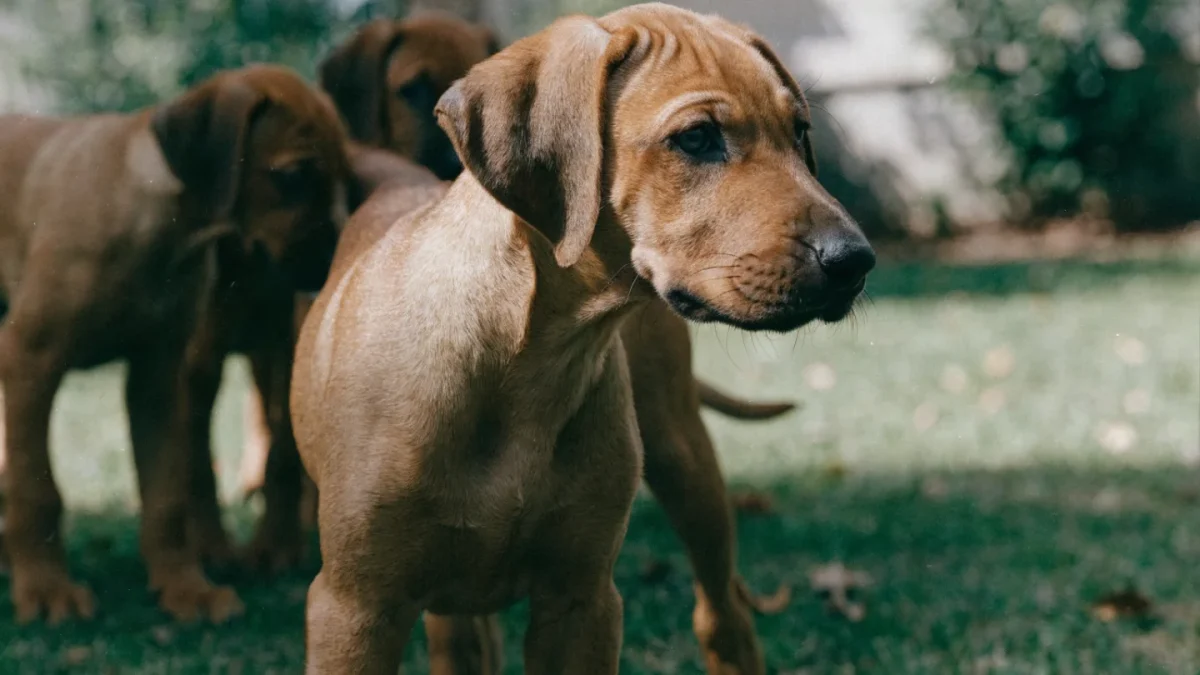
The Rhodesian Ridgeback is one of the few breeds where a puppy's most important feature is visible on its back within hours of birth. The ridge — that symmetrical strip of hair growing in the opposite direction along the spine — is the breed's signature, and it carries genetic implications that go beyond aesthetics. Choosing a Ridgeback puppy responsibly means understanding the ridge, the health conditions associated with it, and the screening that competent breeders perform before a puppy ever leaves the litter.
This is a breed where the gap between a well-managed breeding program and a careless one has consequences measured in veterinary emergencies, behavioral problems, and heartbreak. The homework matters.
The Ridge: What to Evaluate
A correct ridge is symmetrical, begins immediately behind the shoulders, and tapers to a point before the hip bones. It should contain exactly two crowns (also called whorls) — symmetrical swirls of hair at the top of the ridge that face each other. The crowns should be roughly equal in size and positioned at the same height.
Ridges with a single crown, more than two crowns, or significantly asymmetrical crowns are considered faults in breed standards. None of these variations affect the dog's health or temperament — they're cosmetic deviations that matter in conformation showing but not in companion life.
Approximately 5 to 10 percent of puppies in ridged litters are born without a ridge, according to breed club records and breeder documentation. Ridgeless Ridgebacks are genetically part of the breed in every way except the ridge itself. They carry the same temperament, the same athletic ability, and the same health profile (with the notable exception that they cannot develop dermoid sinus, which is linked to the ridge gene). How breeders handle ridgeless puppies tells you something about the program's priorities.
Dermoid Sinus Screening
This is the single most critical health check specific to the breed.
Dermoid sinus is a neural-tube defect — a tube-like channel extending inward from the skin surface, sometimes reaching the spinal cord. It's present at birth, linked to the same genetic duplication that produces the ridge, and requires surgical removal to prevent infection and neurological complications. The condition ranges from superficial (easily corrected) to deep (involving the spinal cord, with serious surgical risk).
Competent breeders screen every puppy in the litter for dermoid sinus within the first few days of life, typically by palpating along the spine and the back of the skull. Affected puppies are identified early, and the breeder manages treatment or placement decisions accordingly.
Ask whether the litter was screened. Ask who performed the screening. A breeder who doesn't screen for dermoid sinus, or who is unfamiliar with the condition, does not understand the breed's most fundamental health requirement.
The Ridgeback breed guide covers dermoid sinus from the owner's perspective. From a buying standpoint, the takeaway is nonnegotiable: no dermoid sinus screening, no purchase.
Additional Health Screening
Hip and Elbow Evaluation
Both parents should have formal hip evaluations completed after age two. Ridgebacks are predisposed to hip dysplasia at rates consistent with other large breeds. Elbow evaluation is also recommended. Ask for documentation — verbal assurances are insufficient.
Thyroid Screening
Hypothyroidism occurs in the breed. Thyroid evaluation of breeding stock is included in recommended health testing protocols for many Ridgeback breed clubs.
Eye Examination
An ophthalmologist examination checks for conditions including entropion and cataracts. While less breed-specific than dermoid sinus, eye screening is part of a comprehensive health protocol.
Evaluating Temperament
At seven to eight weeks, Ridgeback puppies already display the breed's characteristic range. Some are bold and forward. Others are more reserved and watchful. The Ridgeback temperament leans toward quiet confidence rather than exuberant friendliness — a reserved puppy is not necessarily a fearful one. Context matters.
Meet the mother. A Ridgeback dam should be confident, calm, and watchful around visitors without being aggressive or fearful. This breed is naturally reserved with strangers, so don't expect a golden retriever-style greeting. What you're looking for is composure — a dog that acknowledges your presence, assesses you, and settles. If the dam is fearful, anxious, or overtly aggressive, that temperament has both genetic and environmental implications for the litter.
Watch the litter interact. Healthy dynamics include reciprocal play and appropriate responses to siblings' protests. A puppy that consistently dominates or one that avoids all interaction warrants closer evaluation.
Handle individual puppies. A well-socialized Ridgeback puppy should accept being picked up and held without panic or sustained struggling. Brief resistance is normal. Freezing, screaming, or going completely limp suggests inadequate socialization or a temperament concern.
Red Flags
No dermoid sinus screening is an absolute disqualifier. No exceptions, no excuses.
Beyond that, the standard red flags apply with particular force in this breed: no health documentation on parent dogs, puppies available before eight weeks, multiple litters available simultaneously, no questions about your experience or living situation, and pressure to commit immediately.
One breed-specific concern: programs that produce ridgeless puppies and sell them at a steep discount without disclosing their status to buyers. A ridgeless Ridgeback is a healthy, wonderful dog — but a buyer should know what they're getting and why the price differs, if it does. Concealment of ridgeless status is dishonest.
If you've already determined that a Ridgeback suits your lifestyle, expect a waitlist. Quality Ridgeback breeders typically produce one to two litters per year and place puppies with careful selectivity. The wait is the price of doing it right.
The Adoption Option
Rhodesian Ridgeback breed-specific rescues handle a steady volume of dogs, many surrendered by owners who underestimated the breed's exercise needs or independent temperament. Adult Ridgebacks from rescue come with known personalities, and for experienced owners, adopting an adult bypasses the considerable intensity of raising a Ridgeback puppy.
Rescued dogs may not come with health documentation on their parents, which means accepting some genetic uncertainty. A thorough veterinary evaluation, including hip assessment and dermoid sinus check (if not previously documented), provides a practical baseline.