

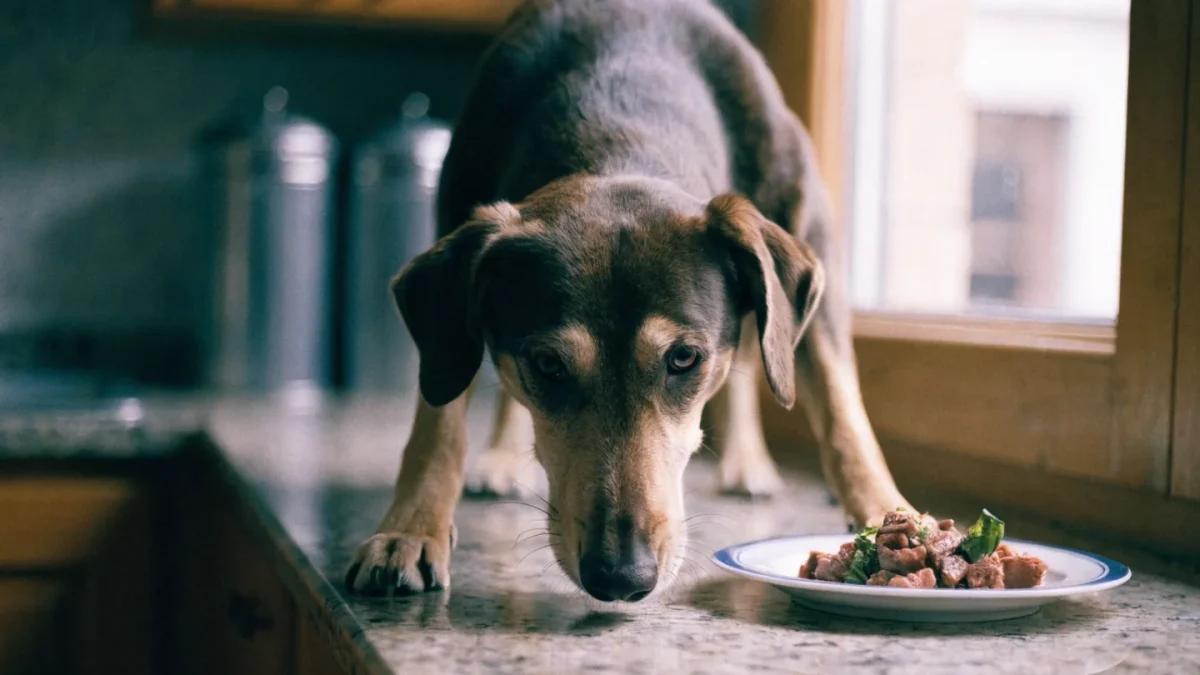
Counter surfing is one of the most challenging behavior problems to fix because the reinforcement schedule is so powerful. Your dog found food on the counter. That was the jackpot. Now they'll check the counter every day for the rest of their life on the chance that another jackpot is waiting.
The food reward from successful counter surfing is enormously reinforcing — far more reinforcing than any treat you can offer as an alternative in the moment. This is why training alone can't fix it. Management has to be the foundation.
Why Counter Surfing Is So Persistent
Intermittent reinforcement makes behaviors extremely resistant to extinction. The dog doesn't find food on the counter most of the time — but sometimes they do. That unpredictable, occasional jackpot keeps them checking every single day. The reinforcement is enormous (food!) and occasional (just often enough to keep the dog trying).
Every time the dog successfully steals food, the behavior is significantly strengthened. One successful steal after weeks of prevention can reset the momentum. This is why management has to be thorough.
Management: The Non-Negotiable Foundation
Clear counters are non-negotiable. Anything on the counter is available to a counter-surfing dog. If you can't have the dog in the kitchen when food is out, use a baby gate. If you can't supervise, put the dog in another room. The management has to prevent access to the counter surface during training.
This isn't a temporary fix — it's a permanent lifestyle adjustment for many households. Large breeds and athletic dogs can reach counters easily. Accepting that food left on counters will be stolen is more honest than hoping training will change physics.
Training: "Off" and Impulse Control
While management prevents the behavior from being reinforced, training builds the dog's capacity for self-control near counters.
Teach "off." If the dog puts paws on the counter, say "off" once and guide or lure them off. The moment four paws are on the floor, reward. Do not reward while paws are on the counter.
Set up training scenarios. Place something low-value on the counter (nothing they'd actually want to eat), have high-value treats in your pocket, and practice being in the kitchen with the dog. Any time the dog approaches the counter area and chooses not to jump up, mark and reward. You're building a history of "staying off the counter produces good things."
Generalize "leave it." A solid leave it command transfers to counter situations. Practice leave it with items on low surfaces, then work up to counter height.
The impulse control training protocol that works for puppies applies equally to adult dogs — it's about building self-regulation around high-value items.
Realistic Expectations
With thorough management and consistent training, counter surfing can be dramatically reduced. "Dramatic reduction" is the realistic goal rather than "the dog will never check the counter again." A dog that's been counter surfing successfully for years has a deeply ingrained habit.
The practical approach: keep counters clear as a household rule, build the training on top of the management foundation, and don't test the dog by leaving food out and hoping they'll make the right choice. They probably won't, and each success resets the clock.