

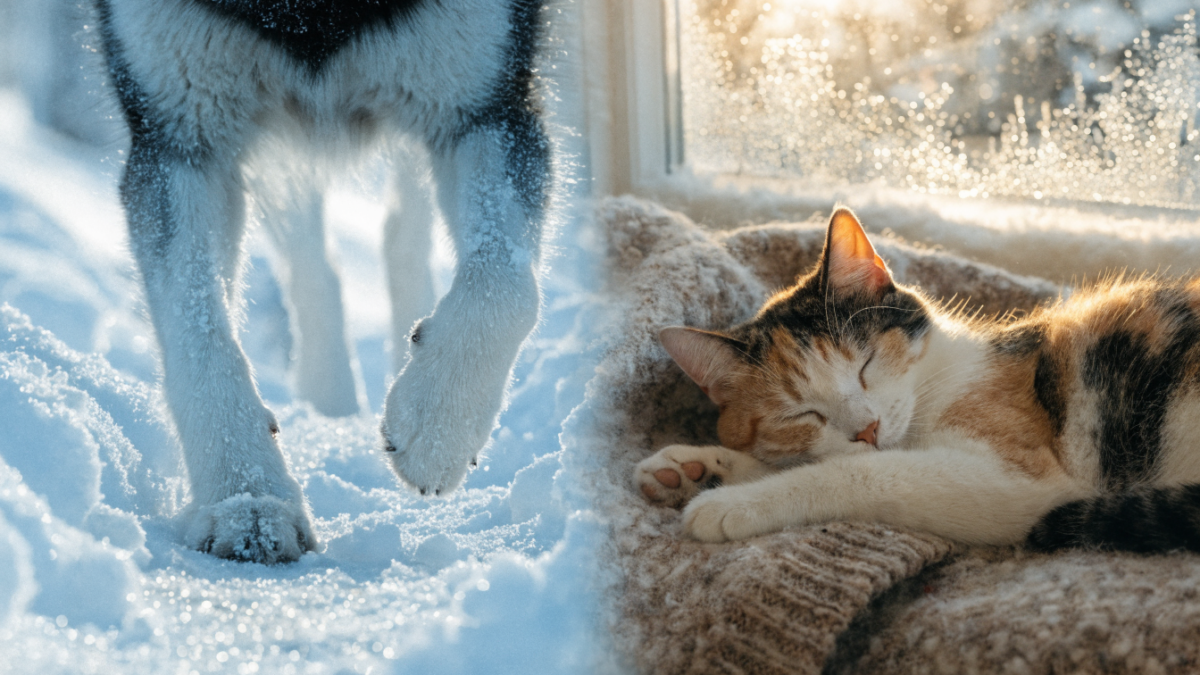
Consider two cases from a January cold snap. The first was Bentley, a rambunctious three-year-old Goldendoodle. His owner brought him in because he was suddenly licking his front paws frantically and limping on their daily walks. On examination, his paw pads were raw and starting to split horizontally. The culprit wasn’t an infection—it was a new brand of chemical ice melt their neighborhood had started using, combined with the freezing temperatures that stripped the natural moisture from his skin.
“I thought he was just anxious from the cold,” Bentley’s owner told me, feeling terrible that she hadn’t checked his feet sooner.
Later that same week, I saw Luna, a seven-year-old indoor tortoiseshell cat. Her owner was worried because Luna had started leaving little flakes of dandruff all over her favorite black velvet armchair. Even worse, she was scratching behind her ears to the point of causing small scabs. Luna wasn’t sick; she was just incredibly dried out. The forced-air heating system running constantly in their apartment had severely reduced the indoor humidity, pulling moisture right out of her skin.
Winter brings a unique set of challenges for our pets. For dogs, the danger is often environmental—what they are walking on. For cats, the threat is usually indoor—how the dry heat affects their skin. Let’s walk through how to protect your pets through the colder months, focusing on canine paw protection and feline skin hydration.
The Ground Beneath Their Paws: Protecting Your Dog’s Feet
When we take our dogs out for winter walks, we rarely think about the terrain. But,[1] remind us that a typical winter sidewalk is a minefield of sharp ice, frozen snow, and harsh chemicals. Snow and ice can act like tiny blades, literally cutting or cracking a dog’s paw pads during exposure.
The Pre-Walk Barrier
To combat this, you need to create a physical barrier. I’ll admit, I’ve changed my mind on this over the years. I used to tell everyone to just slather petroleum jelly on their dog’s paws before walks. It’s cheap and readily available. However, while it works in a pinch, petroleum is a synthetic byproduct. Because dogs inevitably lick their feet, I now recommend looking for a natural paw balm. There is an ongoing debate in the holistic community about petroleum ingestion, and while small amounts are generally safe, I prefer to err on the side of caution. When you’re shopping, check the ingredient list for natural moisturizers like beeswax, shea butter, or coconut oil. These create a breathable, protective layer against the salt and ice, and won’t cause gastrointestinal upset when ingested in small amounts.
The Footwear Debate
If your dog tolerates them, booties are the absolute gold standard for winter paw protection. They offer complete protection against frostbite, chemical burns, and sharp ice. The pet apparel industry has made massive advances recently. You no longer have to settle for stiff, uncomfortable doggy shoes. When shopping, look for boots with flexible, textured soles that mimic the natural movement of a dog’s paw, and adjustable reflective straps for those short, dark winter days.
The Post-Walk Protocol
Never skip the post-walk wipe down. Even if your dog wore booties, they likely stepped in something. When you return home, keep a dedicated towel by the door. Take a warm, damp cloth and wipe down each paw thoroughly, making sure to get between the toes. [2] emphasize that this simple step removes toxic ice melt residues and prevents painful ice balls from forming in the fur. It also stops your dog from ingesting dangerous chemicals when they groom themselves later.
The Indoor Element: Combating Your Cat’s Dry Skin
While dogs battle the elements outside, indoor cats face a different kind of winter threat: severely dry air. When the heater kicks on, the humidity drops, leading to dull coats, dandruff, and relentless itching.
Hydration from the Inside Out
Topical creams rarely work well for cats because they are fastidious groomers—they will just lick the treatment right off. Instead, focus on systemic hydration. Cats are notoriously bad water drinkers, so you have to get creative. Consider incorporating wet food into their diet if you haven’t already, or look into a cat water fountain. Moving water often encourages cats to drink more. There are also great vet-approved hydrating sprays on the market; just look for ones formulated specifically for feline pH that contain ceramides to help rebuild the skin barrier.
A Word on Home Remedies
I often have well-meaning clients ask me if they can just rub a little olive oil or coconut oil on their cat’s coat to moisturize it. I understand the impulse! It feels natural and cost-effective. However, I always redirect them to evidence-based solutions. Slathering oils on a cat’s fur disrupts their natural grooming process. The oil leaves a greasy residue that the cat ingests in large quantities, which almost always leads to severe stomach upset and diarrhea. A much better approach is to speak with your vet about adding a safe, oral omega-3 fatty acid supplement to their food.
Car Engine Safety
Before I move on from cats, I have to mention a critical outdoor hazard. Outdoor and feral cats frequently seek warmth by hiding under car hoods or climbing into engine compartments. I’ve seen too many tragic injuries from this. Always bang loudly on your car’s hood or honk the horn before starting the engine in the winter. It gives hiding cats a crucial chance to escape.
Hidden Realities: Winter Grooming and Diet
Winter often changes our pets’ grooming and nutritional needs in ways we don’t expect. If you want to make sure you have all your bases covered, you can reference a detailed [3] but let’s break down the basics.
The Winter Nail Growth Spurt
A widely noted phenomenon among vets and groomers is that pet nail growth often speeds up during the winter. Why? Because dogs are spending less time on hard, abrasive surfaces like concrete and asphalt, their nails don’t wear down naturally. Keep a close eye on their nails and maintain a strict trimming schedule. Overgrown nails alter the dog’s gait, reducing their traction on slippery, icy surfaces and making them more prone to orthopedic injuries.
Caloric Needs: More vs. Less
There is a persistent myth that all pets need more food in the winter. The truth is, it depends entirely on your pet’s lifestyle. Animals that work or spend hours hiking in the snow are burning extra calories to stay warm and may require dietary adjustments to compensate. However, for the majority of indoor pets who spend the winter napping on the sofa, their activity levels drop significantly. These pets actually need fewer calories to prevent dangerous winter weight gain. Always consult with your vet before changing their daily food allowance.
Navigating Winter Toxins and Debates
Winter brings a host of hidden chemicals into our environments. It’s important to be aware of them and to know which debates are actually worth your time.
The “Pet-Safe” Ice Melt Illusion
There is an ongoing debate in the pet community regarding “pet-safe” ice melts. While marketing claims these products are completely harmless, many still contain chemical derivatives like magnesium chloride. Clinics see plenty of dogs who develop painful chemical burns on their paw pads or severe gastrointestinal upset after licking “pet-safe” salt off the sidewalk. The reality is that no chemical ice melt is truly 100% safe for pets. Always assume any salt is potentially irritating, and rely on your post-walk wipe-down routine.
Antifreeze Awareness
Antifreeze is incredibly toxic to animals, and because it often has a sweet taste, pets are prone to licking it off their paws or the ground. In recent years, some manufacturers have begun adding bitterant additives to traditional antifreeze to make it unappealing to pets and children. This is a massive step forward. However, it remains a highly lethal toxin. Even a tiny amount of ethylene glycol can cause acute, fatal kidney failure. If you see a puddle of brightly colored liquid in a driveway or parking lot, keep your dog far away and wash their paws immediately if they step in it.
Preparedness and Peace of Mind
Finally, a little preparedness goes a long way. Create a “Winter Pet Kit” for your home and keep it accessible:
- A backup supply of pet food and fresh water
- Any prescription medications (aim for at least a two-week supply)
- Vet-approved paw balm and protective booties
- Warm, insulating blankets
- A pet-specific first aid kit
Keeping your pet’s fur mat-free is also essential during the winter. Matted fur loses its ability to insulate properly, leaving your dog or cat vulnerable to the cold. Keep up with regular brushing to ensure their natural coat can do its job.
Winter can be a wonderful season for cozy cuddles and snowy play, as long as we are proactive about their health. By protecting your dog’s paws from harsh salts and keeping your cat’s skin hydrated against the dry indoor heat, you’ll keep them comfortable until the spring thaw. And if you have an indoor-outdoor cat, consider keeping them strictly inside during the winter months. It doesn’t just protect them from the cold and car engines—it protects local wildlife. Birds and small mammals are particularly vulnerable during scarce winter months, and keeping cats indoors is a simple, powerful way to support local conservation efforts while keeping your feline friend safe.
Sources
- expert safety tips from the ASPCA — aspca.org
- Veterinary specialists — caringhandsvet.com
- winter wellness checklist for dogs and cats — jbpet.com