

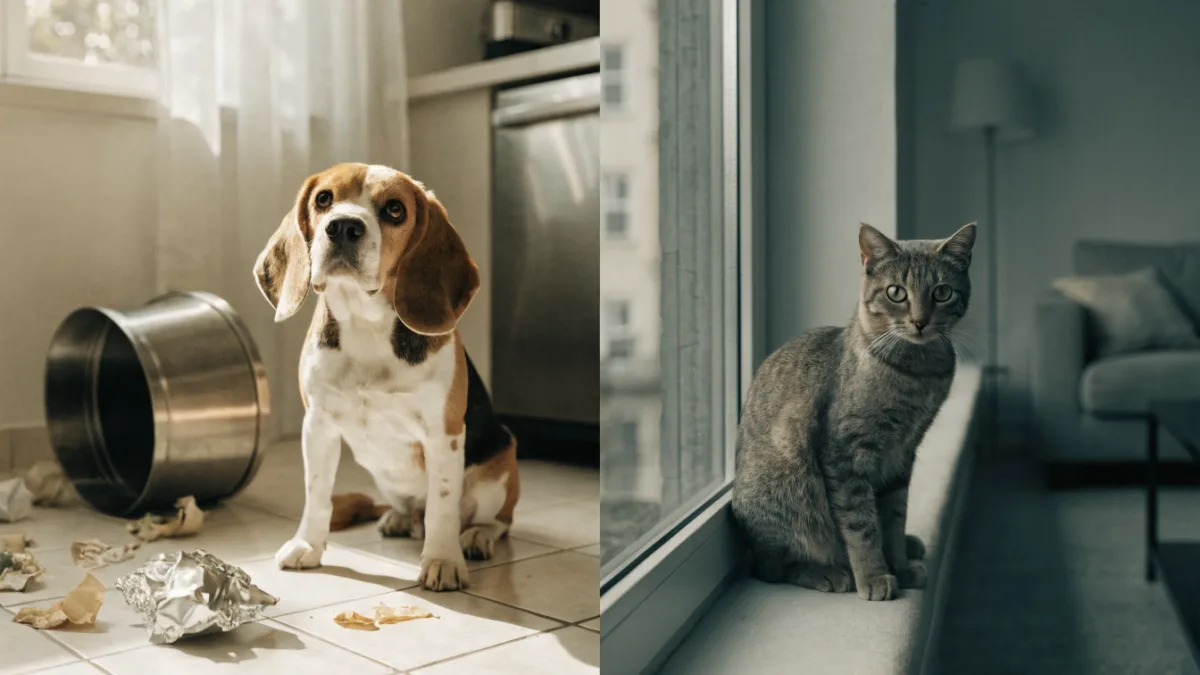
We’ve all been there. It’s 2:00 AM, and you’re jolted awake by that unmistakable sound—a rhythmic hacking, gagging, retching noise that sends every pet parent flying out of bed, desperately trying to save the rug. Acute vomiting is one of the most common reasons pets end up at the vet, making up roughly 15% to 20% of all clinic visits. But while the mess on the floor might look exactly the same whether it comes from a dog or a cat, the underlying reasons for their upset stomachs are completely different. Understanding this distinction is the first step to helping your pet feel better.
The Scavenger vs. The Stoic: Why Species Matters
If you have a dog, you probably already know that they view the world as an all-you-can-eat buffet. When a dog comes into a clinic for acute vomiting—meaning it started suddenly and hasn’t been going on for weeks—the first question is always, “What did they get into?” Take Buster, a delightfully gluttonous three-year-old Beagle. His owner was convinced he had a terrible stomach bug, but a quick X-ray revealed a stomach full of stolen BBQ corn cobs. Dogs are natural scavengers, and their acute vomiting is almost always tied to dietary indiscretion, which is the polite medical term for eating garbage, dead things in the yard, or toxic human foods.
Cats, on the other hand, are notoriously picky and stoic. They rarely eat things they shouldn’t unless they are bored or stressed. When a cat like Luna, a five-year-old indoor Persian, comes in vomiting, we immediately start looking at different triggers. Luna’s vomiting turned out to be a severe food sensitivity that flared up after a sudden diet change. Cats are incredibly sensitive to their environment, and stress is a major trigger for feline GI upset.
There is also a crucial physiological difference to keep in mind: hydration. Cats evolved from desert-dwelling ancestors, meaning they naturally have a much lower thirst drive than dogs. They rely heavily on the moisture in their food to stay hydrated. Because of this, a cat that vomits multiple times in a short period is at a drastically higher risk of severe dehydration than a dog.
Are They Actually Vomiting?
One of the biggest hurdles I face in the exam room is figuring out exactly what the pet did at home. Many owners use the words “vomiting” and “regurgitation” interchangeably, but to a medical professional, they mean completely different things.
- Vomiting (Emesis): This is an active, physical process. It involves loud retching, abdominal heaving, and a lot of effort. The material your pet brings up usually looks partially digested and may contain yellow bile.
- Regurgitation: This is completely passive. There is no abdominal heaving or warning retching. The food or liquid simply falls out of the pet’s mouth, often shaped like a tube, and consists of undigested kibble. This usually points to an issue in the esophagus rather than the stomach.
Figuring out which of these your pet is doing completely changes our diagnostic approach and how we treat them.
When to Hit the Panic Button: Red Flags
Not every episode of acute vomiting requires an emergency trip to the vet. Sometimes, a dog’s stomach is just upset from eating a bit too much grass, and it passes on its own. However, there are definite red flags where waiting it out can be fatal. If you see any of the following signs, you need to seek immediate veterinary care:
- Vomiting blood: If the vomit contains bright red blood, or looks like dark, granular “coffee grounds” (which indicates digested blood), this is a major emergency.
- A painful, swollen abdomen: If your dog’s stomach looks bloated like a drum and they are pacing anxiously, this could be Gastric Dilatation-Volvulus (GDV), a life-threatening condition where the stomach twists on itself.
- Linear foreign bodies: If you see a piece of string or yarn hanging out of your cat’s mouth or rear end, do not pull it. Pulling it can act like a saw and slice their intestines internally. Bring them to the clinic immediately.
- Lethargy or pale gums: If your pet is weak, collapsing, or has gums that look white or pale pink instead of a healthy bubble-gum pink, they could be going into shock.
To Fast or Not to Fast? A Shift in Thinking
I’ll be honest—I’ve changed my mind on this over the years. For a long time, the standard veterinary advice for an actively vomiting pet was to withhold food for 12 to 24 hours to “rest” the GI tract. While we still sometimes do this for healthy adult dogs, modern veterinary gastroenterologists now strongly advise against prolonged fasting, especially for cats.
When a cat stops eating, even for just two or three days, they are at a high risk of developing hepatic lipidosis—a dangerous condition where fat accumulates in the liver and causes it to shut down.
Instead of withholding food, we now know that the cells lining the intestines (called enterocytes) actually get their nutrition directly from the food passing through them. Starving them delays healing. For mild upset stomachs, I now recommend offering small, frequent, easily digestible meals—like boiled, plain chicken breast mixed with plain white rice—rather than withholding food entirely.
I also frequently get asked about raw diets. Proponents of raw feeding often claim it cures chronic GI upset by returning pets to their “ancestral” roots. I always look at the clinical evidence, and I have to push back on this. Much of the veterinary community warns against raw diets because of the high risk of acute vomiting caused by bacterial contamination, such as Salmonella or E. coli, as well as the risk of nutritional imbalances.
And please, skip the human medications. I completely understand the impulse to reach for over-the-counter remedies when your pet is sick. However, medications like Pepto-Bismol contain salicylates that can be toxic to cats, and human drugs can mask important symptoms or interact poorly with the treatments I need to use in the clinic.
Modern Medicine and the Microbiome
The way we treat acute vomiting has evolved dramatically. A decade ago, treating a severely dehydrated pet was incredibly labor-intensive. Today, we have highly effective neurokinin-1 (NK-1) receptor antagonists. These targeted anti-nausea medications act directly on the vomiting center in the brain, providing rapid relief for both dogs and cats while we figure out the root cause. We also rely heavily on,[1] from comprehensive blood panels to ultrasounds, to see exactly what is happening inside.
But treating the nausea isn’t enough; we have to heal the gut. The recent explosion of research into the gut microbiome has completely changed how we approach.[2] All that vomiting flushes out the healthy, beneficial bacteria your pet needs to thrive. Modern treatments now include targeted probiotics and post-biotics designed specifically for cats and dogs to reset and reseed the gut flora. In severe, chronic cases, we are even using Fecal Microbiota Transplants (FMT) to introduce healthy flora from a donor into a sick pet’s intestinal tract.
When your dog or cat is sick, it’s an incredibly stressful experience. But understanding the differences between how these two species experience illness helps us become better, more proactive advocates for their health. While domestic dogs and cats aren’t facing extinction, the fragile ecosystem living right inside their digestive tracts is absolutely worthy of intense “conservation” efforts. Just like a delicate habitat, your pet’s microbiome needs to be protected, nourished, and carefully balanced. The next time you hear that dreaded 2:00 AM retch, take a deep breath, grab the paper towels, and remember that [3] is the key to getting their internal ecosystem back on track.
Sources
- advanced diagnostics — dvm360.com
- gastrointestinal care — medvet.com
- understanding the root cause — rvsvet.com