

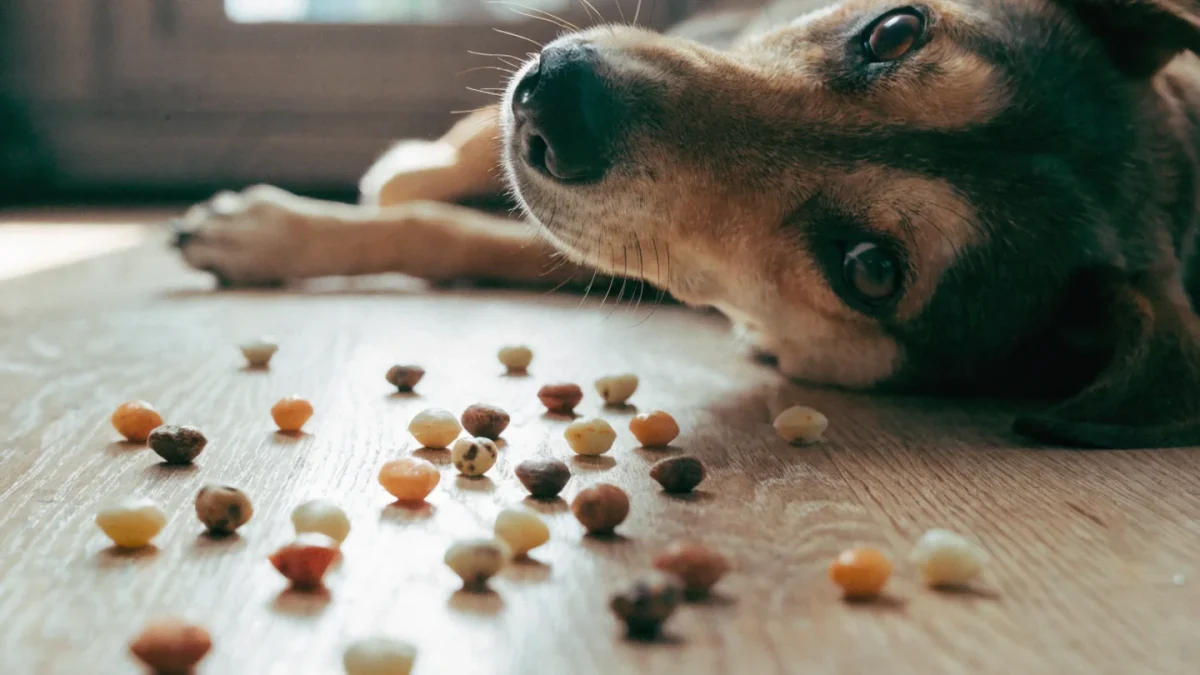
Treats are your training currency. If you're paying in pennies — low-value treats in high-distraction environments — you're going to get low-quality work. Understanding treat selection is underrated in most training conversations.
Size Matters More Than People Think
Training treats should be small. Pea-sized is the standard. The reasons:
Training momentum. Large treats take longer to eat. While your dog chews a biscuit, you've lost 3-5 seconds of training time. Small treats are consumed in a second, and you're back to the next repetition.
Caloric load. A typical training session involves dozens of repetitions. If each repetition pays out 50 calories, you've blown through your dog's daily calorie budget by the third exercise. Tiny treats mean you can do hundreds of repetitions without metabolic consequences.
Quick decision-making. Soft, small treats are taken quickly and allow the dog to keep moving. Hard treats require chewing — the dog stops, works the treat, may spit out a piece. Soft treats disappear and the dog is ready immediately.
The Value Question
Value is relative and individual. What your dog finds exciting enough to work for depends on:
- The dog's individual preferences (some dogs go wild for cheese; others don't care)
- How recently they've eaten (a dog that just ate is less motivated than a dog 2-3 hours post-meal)
- The environment (a dog that works for kibble in the kitchen may need real meat outdoors where there are squirrels)
The practical principle: match treat value to training difficulty and distraction level. Easy behaviors in calm environments can use lower-value treats. Novel behaviors in high-distraction environments need the good stuff.
Low value: Their regular food kibble, plain air-dried commercial treats
Medium value: Commercial soft training treats, freeze-dried single-ingredient treats
High value: Small pieces of cooked meat or fish (chicken, beef, salmon), cheese, small amounts of liver
Keep high-value treats genuinely special — don't use them so often that they lose their motivational edge.
Texture and Format
Soft beats crunchy for training. Soft treats are faster to consume and work better for rapid-fire reward delivery.
Break-apart treats. Soft treats that can be pinched into tiny pieces from a single piece give you control over treat size during the session.
Freeze-dried vs. baked. Freeze-dried single-ingredient treats (single protein, nothing added) tend to have strong smell and high palatability. Baked treats vary widely — read the ingredients and choose options with limited additives.
What to Watch Out For
Treats with extensive additive lists. For healthy dogs, occasional additives aren't a crisis, but long lists of preservatives, artificial flavors, and colorings in a treat you're giving dozens of times per session are worth thinking about.
Treats your dog doesn't actually like. This sounds obvious, but I've watched people try to train with treats their dog takes unenthusiastically and then wonder why the dog isn't engaged. If your dog doesn't light up when they see the treat, it's not working as a motivator.
Treats too large or too hard. Both slow down training and reduce momentum.
A Note on Non-Food Rewards
Some dogs are more motivated by play (tug, chase, fetch) or physical interaction (praise, touch) than food. These can absolutely function as training rewards — the timing principles are the same. But most dogs are food-motivated enough that treats are the practical default for most people.
If your dog seems uninterested in treats during training, experiment with the value and with whether they've eaten recently before concluding they're "not food motivated."