

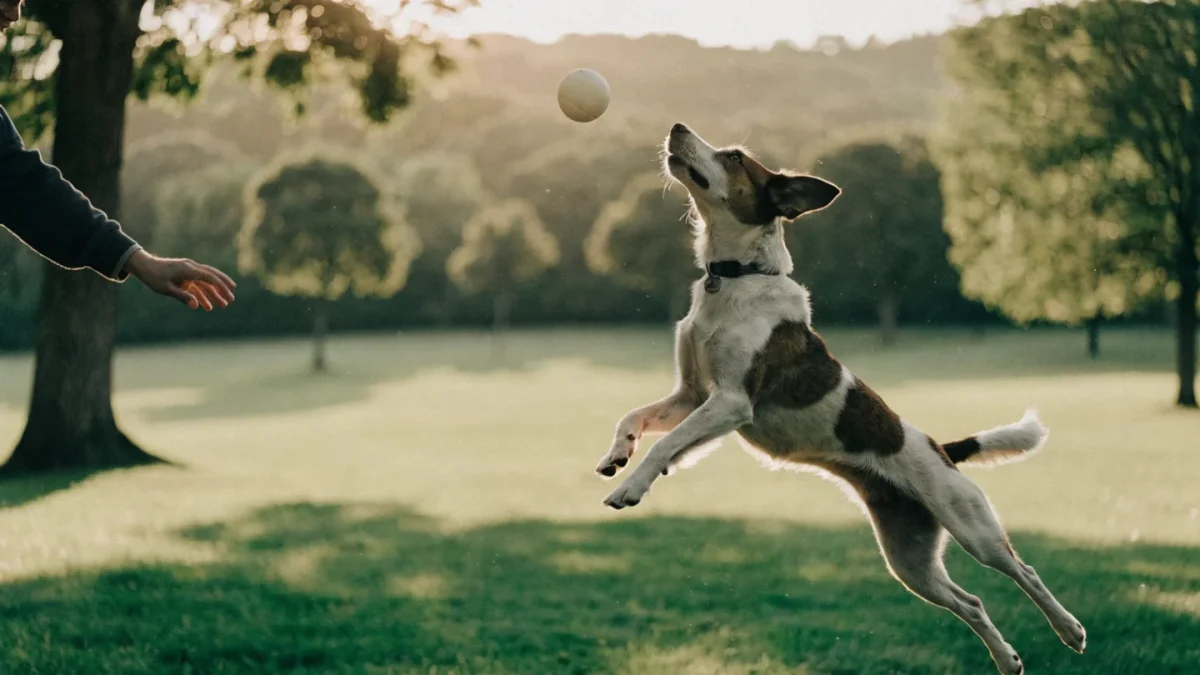
"My dog isn't food motivated" is something I hear regularly. And sometimes it's true — a few dogs genuinely don't prioritize food as a reward (usually sighthounds, some northern breeds, many guardian breeds). More often, though, the dog IS food motivated but not for the kibble the owner is using in a context that's competing with much more interesting things.
The honest truth: every dog values something. The question is whether you know what it is and whether you're using it systematically.
The Reinforcer Hierarchy
Every dog has a personal hierarchy of what they value. For most dogs, food is high on the list (especially highly palatable food). But below food and above it, there are other reinforcers:
Toy play and chasing. For prey-driven dogs — retrievers, terriers, some herding breeds — a game of fetch or tug outranks most food rewards. These dogs train extremely well when you learn to use toy access as reinforcement.
Social play. For highly social dogs, a game of chase or a rough play session is enormously reinforcing. Some dogs would rather play for 30 seconds than eat any treat.
Access to environment. Permission to approach something the dog wants to investigate is a powerful reinforcer. Your dog has been on leash and there's an interesting patch of grass they've been pulling toward. Ask for a sit. When they sit: "go sniff." That's the reward. The Premack principle in action.
Praise and touch. For many dogs, genuine enthusiastic praise from their person is reinforcing — especially in dogs that aren't highly food motivated in a given moment. Not as universally powerful as food for initial teaching, but useful for maintenance and real-world application.
Permission to do things. Being released from a stay, being allowed to greet another dog, being let off leash, getting to go through the door first (if they want to) — these are all reinforcers.
How to Use Life Rewards
The Premack principle states that higher-probability behaviors can reinforce lower-probability behaviors. A dog that reliably wants to go outside can be asked to sit before the door opens — the door opening (high probability behavior) reinforces the sit (lower probability in that moment).
Walk to the car: sit → door opens. See a friend's dog on the path: loose leash → permission to greet. Come inside after a walk: sit at the door → door opens and you remove the leash.
You're using things the dog was going to get anyway as reinforcement for behaviors you want to build.
Practical Application
Start teaching new behaviors with whatever reinforcer works best (often food). As the behavior becomes reliable, begin substituting other reinforcers, including life rewards. (See also: building recall value.)
A solid recall, for example, is often best maintained with a variety of rewards: sometimes treats, sometimes a game of tug, sometimes being released to run again. The variability maintains the behavior better than a single consistent reward.
See fading treats in dog training for the process of transitioning from food-heavy early training to a more varied reinforcement schedule.