

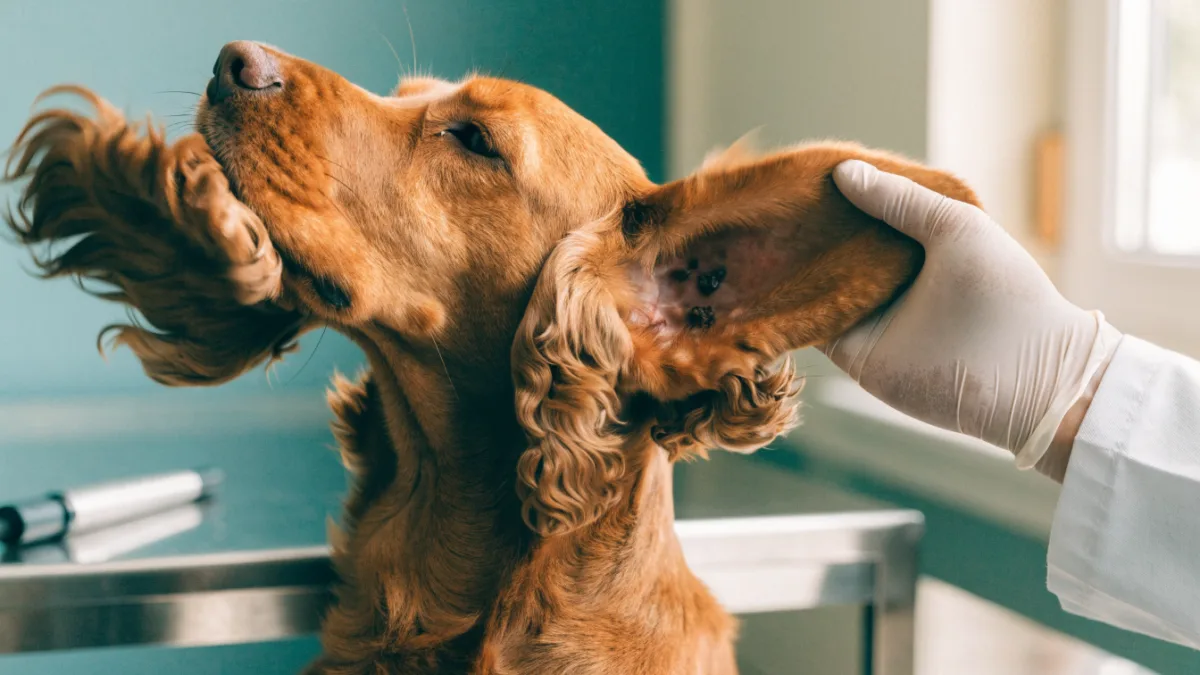
It happens almost overnight. One evening, you’re relaxing on the couch with your dog or cat, and suddenly, the frantic head shaking begins. It starts as a gentle flap of the ears, but soon your pet is pawing relentlessly at their head, rubbing it against the carpet, and looking utterly miserable. When a pet starts shaking their head, there’s a standard checklist of culprits to run through. The two most common offenders are ear mites and bacterial or yeast infections. While they might look the same to a worried pet parent, they require completely different treatments. Grabbing the wrong over-the-counter medication can waste your money, prolong your pet’s suffering, and even cause harm. Let’s break down how to tell the difference, why a proper diagnosis matters, and what that head shake is really trying to tell you.
The Coffee Grounds vs. The Swamp Thing
When you look down your pet’s ear canal, the type of debris lurking inside is usually our first major clue. Ear mites, specifically Otodectes cynotis, are tiny, spider-like parasites that take up residence in the warm, dark environment of the ear canal. When they feed and reproduce, they leave behind a very distinct calling card: a dry, dark, crumbly discharge that looks exactly like coffee grounds.
I remember treating a sweet six-month-old rescue kitten named Pip who had been rubbing her ears raw. When I looked inside her ears with my otoscope (a specialized tool with a light and magnifier used to peer into ear canals), the dark, crumbly debris was unmistakable. As I gently swabbed her ear, the microscopic mites were actually visible to the naked eye as tiny, moving white specks.
Bacterial or yeast infections, on the other hand, are a completely different story. Instead of dry coffee grounds, you will usually see a moist, yellow, purulent (pus-like) discharge. If you’ve ever smelled a severe ear infection, you know it has a distinct, yeasty, or downright foul odor. While mites make ears intensely itchy, bacterial infections are often quite painful. If your pet yelps or pulls away when you gently massage the base of their ear, we are likely dealing with an infection rather than a simple mite infestation.
Who is at Risk?
Age and lifestyle play a massive role in what’s causing the head shake. Ear mites are highly contagious and are largely considered a “young pet disease.” Because they spread through direct contact with other animals, they are incredibly common in puppies and kittens, especially those from shelters or multi-pet environments. In fact, mites account for roughly 50% of all feline ear infections.
Bacterial and yeast infections, however, are most frequently seen in adult and senior pets. These infections are rarely contagious. Instead, they are usually secondary issues caused by an underlying problem. Floppy-eared breeds like Cocker Spaniels and Basset Hounds are anatomically prone to infections because their heavy ear flaps trap moisture and cut off airflow. These infections are also incredibly common in pets with environmental or food allergies, or those who love swimming and trap water deep in their ear canals.
The Hidden Danger of the Head Shake
Many pet owners assume that a little head shaking is harmless and will resolve on its own. Unfortunately, that’s rarely the case. Violent and excessive head shaking creates a serious risk for a condition called an aural hematoma.
Imagine your dog shaking their head so hard that the whip-like motion causes a fragile blood vessel inside the ear flap to burst. The ear flap, known as the pinna, quickly fills with blood, swelling up like a heavy, painful water balloon. This condition almost always requires surgery to drain the blood and suture the layers of the ear back together so it doesn’t refill. I once treated a happy-go-lucky Labrador named Buster who gave himself an aural hematoma over a weekend because his owners thought his head shaking was just due to some harmless itching. By the time they brought him in, his ear was swollen to twice its normal size and he was in significant pain. Early intervention for ear discomfort is the best way to prevent these painful secondary injuries.
Why We Have to Look Under the Microscope
If you go to a pet store, you will see aisles of over-the-counter (OTC) ear drops claiming to cure “itchy ears” or “ear mites.” I’ve actually changed my mind on these products over the years. Early in my career, I used to think they were a harmless first step before coming into the clinic. But clinical evidence has proven that guessing can be dangerous.
Treating a painful bacterial infection with OTC mite medication will not resolve the issue, allowing the infection to worsen and potentially cause permanent hearing loss or a ruptured eardrum. Furthermore, many OTC drops contain ingredients that can actually damage the delicate structures of a pet’s ear if the eardrum has already ruptured—which is something we can only check for with a thorough otoscopic exam.
There is also a massive push in veterinary medicine right now against prescribing antibiotics without running an ear cytology first. Because bacteria can quickly develop resistance to medications, we must take a swab of the ear debris, stain it, and examine it under a microscope. This is the only definitive way to distinguish between mites, bacteria, and yeast. By identifying the specific bacterial strain, we can prescribe a targeted, effective treatment rather than a broad-spectrum antibiotic that might not work.
“Treating the wrong condition isn’t just a waste of time; it’s a fast track to chronic, painful ear disease. We have the tools to know exactly what’s wrong—let’s use them.” – A sentiment echoed in veterinary exam rooms every day.
Navigating Modern Treatments and Telehealth
The good news is that once we have an accurate diagnosis, treating ear issues has never been more effective. I completely understand the impulse to try home remedies—warm compresses or natural oils might seem like a gentle way to soothe your pet. While warm compresses can offer temporary comfort for an inflamed ear flap, they won’t kill mites or clear a bacterial infection.
Pharmaceutical advancements have made treatment incredibly streamlined. For ear mites, many of the modern systemic parasite preventatives now cover mites, meaning a single dose can clear the infestation without you having to wrestle your cat into daily ear drops. For bacterial and yeast infections, newer otic gels allow us to administer a single, long-lasting dose of antibacterial and anti-fungal medication directly into the ear canal in the clinic. This dose lasts for 30 days, eliminating the daily wrestling match at home and ensuring the infection is treated properly.
We are also seeing a wonderful rise in at-home telehealth triage. If you aren’t sure if your pet’s head shaking warrants a costly emergency room visit in the middle of the night, many veterinary networks and pet insurance companies now offer telehealth services. You can upload a video of your pet’s behavior or a photo of the ear discharge, and a professional can help you determine if you need to head to the ER or if you can safely wait for a standard appointment the next morning. While they can’t prescribe medication without an exam, they can offer immense peace of mind.
Ultimately, our pets rely on us to be their advocates when they can’t tell us what hurts. When a pet frantically shakes their head, they are asking for help. By skipping the guesswork at the pet store and seeking an evidence-based diagnosis, you aren’t just treating an ear—you are protecting your pet from chronic pain, preventing life-threatening antibiotic resistance, and ensuring they can get back to living a comfortable, happy life. Responsible, science-based pet care is the greatest form of respect we can offer the animals that bring us so much joy.