

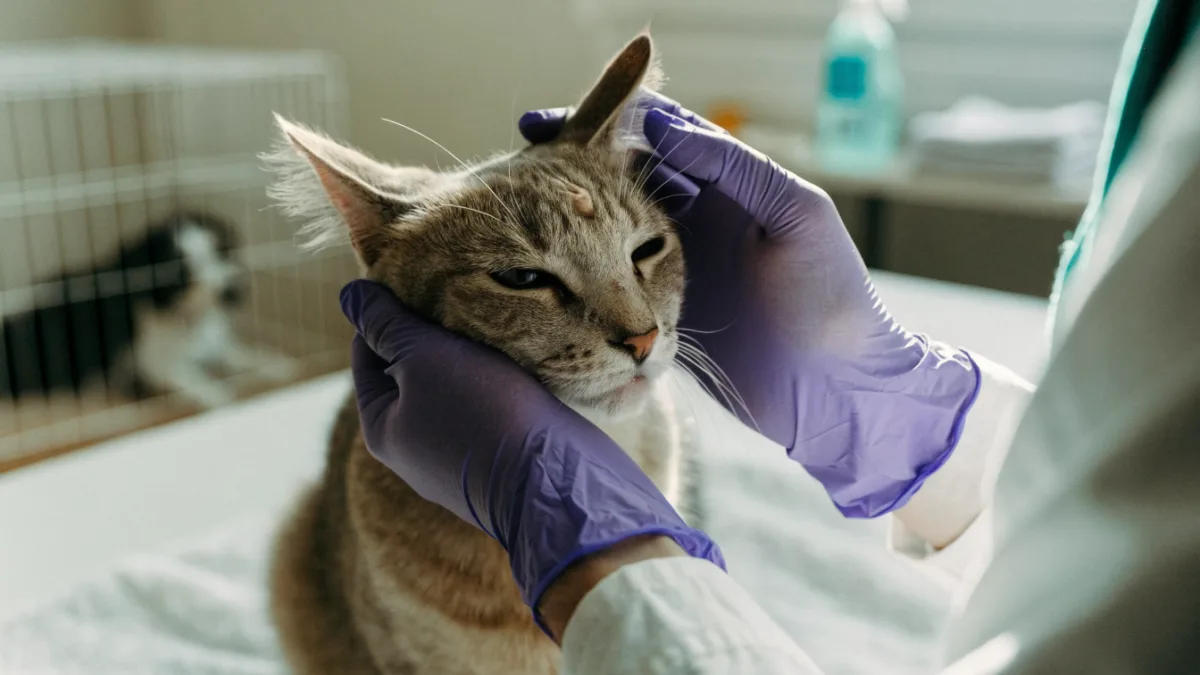
When Elena brought home three foster kittens last spring, she expected sleepless nights and bottle-feeding schedules. What she didn’t expect was the cluster of circular, scaly patches appearing on her own forearm two weeks later. The kittens had seemed healthy — maybe a little patchy behind their ears, but nothing alarming. By the time she walked into my clinic with the smallest kitten tucked under her chin, the fungus had already moved into her bedroom carpet, her senior cat’s favorite blanket, and the creases of her elbows.
Ringworm has a way of doing that. It sneaks in on a seemingly healthy rescue animal, quietly sheds spores into every soft surface it touches, and then erupts into an itchy, stubborn mess that can take months to fully eliminate. But here’s what I want you to know before we dive in: ringworm is completely curable. It’s not life-threatening, and with a systematic approach, you can eradicate it from your home without losing your mind.
First Things First: It’s a Fungus, Not a Worm
The name is genuinely misleading. Ringworm — clinically called dermatophytosis — has nothing to do with parasites. It’s a fungal infection caused by dermatophytes, microscopic organisms that feed on keratin, the structural protein in hair, skin, and nails. The name comes from the red, ring-like rash that typically appears on human skin, not from any actual worm.
Three primary species cause most infections in dogs and cats. Microsporum canis is the dominant culprit, especially in felines — it accounts for the vast majority of ringworm in cats. Microsporum gypseum and Trichophyton mentagrophytes round out the trio, and they’re more commonly picked up from soil.
What makes this fungus such a formidable opponent is its environmental resilience. Infected pets shed microscopic spores called arthroconidia from their hair follicles. These spores are essentially armored survival pods — they can persist on bedding, grooming tools, carpets, and baseboards for up to 18 months waiting for a host. That’s why simply treating the animal without treating the environment almost guarantees a recurrence.
Recognizing the Signs Before It Spreads
What Ringworm Looks Like
The classic presentation is a circular patch of hair loss with a scaly, sometimes red or crusty center. In dogs, you’ll often see these lesions on the face, ears, paws, or forelimbs. Treating dog ringworm tends to be more straightforward because dogs usually show obvious symptoms — the patches are visible, and they’re often itchy.
Cats are trickier. They can develop the same circular lesions, but they’re also masterful at hiding infection. Some cats — particularly kittens, seniors, and long-haired breeds like Persians — carry the fungus with virtually no visible symptoms. They shed spores continuously while looking completely healthy. That’s exactly what happened with Elena’s foster kittens.
I remember a case from last winter: a nine-year-old Golden Retriever named Moose came in with a single bald spot on his muzzle. His owner thought it was a hot spot from rubbing against the fence. The Wood’s lamp examination — a special ultraviolet light that causes some ringworm species to fluoresce apple-green — told a different story. Moose had picked it up from the family’s newly adopted shelter cat, who showed zero signs of infection herself.
When to Suspect a Carrier
If one pet in a multi-animal home develops ringworm, assume the others have been exposed. Brittle or deformed claws can be a sign that the infection has reached the nail beds, which is harder to treat and often overlooked. Any new animal entering your home — especially from a shelter environment — should be examined carefully, particularly around the ears, face, and paws.
The Quarantine Protocol: Your First Line of Defense
The moment you suspect ringworm, isolate the affected animal. I cannot emphasize this enough for foster families and multi-pet households. Every hour an infected pet spends wandering through your home is another hour of spore deposition.
Choose a room that’s easy to clean — ideally one with hard flooring and minimal fabric. Remove carpets, rugs, and upholstered furniture if possible. A bathroom, laundry room, or empty spare bedroom works well. The goal is a space where you can disinfect every surface.
When you interact with the quarantined pet, treat it like a biohazard situation. I know that sounds dramatic, but it works:
- Wear disposable gloves and a dedicated outfit — old clothes you can immediately remove and wash, or a disposable gown.
- Change out of those clothes before touching any other pet or sitting on shared furniture.
- Wash your hands and forearms thoroughly after every interaction, even if you wore gloves.
- Keep the quarantined pet’s food bowls, toys, and bedding completely separate. Nothing crosses the boundary without being disinfected or discarded.
Elena converted her finished basement into a ringworm ward. She kept a hamper of clean clothes at the top of the stairs and changed before going back upstairs to her resident cat. It felt excessive at first, but that boundary ultimately saved her senior cat from infection.
The Deep-Cleaning Battle Plan
This is where most people underestimate the effort required. Cleaning pet ringworm from your environment isn’t a one-time deep clean — it’s a sustained campaign that runs parallel to your pet’s treatment, usually lasting six to eight weeks minimum.
Vacuuming: Daily and Relentless
Vacuum every area the infected pet had access to, every single day. This includes carpets, rugs, upholstery, and car seats if the pet traveled. The physical action of vacuuming pulls spores out of fibers, but you have to empty the canister or discard the bag immediately afterward — otherwise, you’re just giving spores a chance to circulate back into the air.
Laundry: Hot Water and Bleach
Anything washable — pet bedding, your bedding if the pet had access, soft toys, blankets, towels — goes through the laundry on the hottest cycle available with bleach if the fabric tolerates it. For items that can’t handle bleach, a product with activated oxygen or a vet-recommended antifungal laundry additive is your next best option. Dry everything on high heat.
Hard Surfaces: The Right Disinfectant Matters
Standard household cleaners won’t kill ringworm spores. You need a veterinary-approved antifungal disinfectant or a heavily diluted bleach solution — one part bleach to ten parts water, applied to surfaces that can tolerate it. Let the solution sit for a full ten minutes before wiping. This means mopping floors, wiping down baseboards, cleaning crate bars, and disinfecting doorknobs and light switches that you’ve touched while handling the infected pet.
When to Throw Things Away
Be honest about what can’t be saved. Cardboard scratchers, wooden brushes with porous bristles, fabric toys that can’t be bleached, and any grooming tools with crevices where spores can hide — throw them out. I’ve seen families re-infect their pets repeatedly because they couldn’t bear to toss a favorite toy. The five-dollar replacement isn’t worth another six weeks of treatment.
Treatment: Why Consistency Is Everything
Effective treatment almost always requires a two-pronged approach: oral antifungal medication and topical therapy. The oral medication — typically itraconazole, terbinafine, or griseofulvin — works systemically to eliminate the fungus from inside the body. The topical treatment, usually medicated baths twice weekly using a shampoo containing miconazole and chlorhexidine or a lime sulfur dip, physically removes spores from the coat so the pet stops contaminating the environment.
Here’s where I see foster families stumble: the pet starts looking better. Hair grows back. Lesions fade. And because the kitten is screaming bloody murder every bath time, the foster parent decides to stop treatment early. This is the single most common cause of recurrence. Ringworm can still be present at the microscopic level even when the skin looks healed. Your veterinarian will use fungal cultures — or increasingly, PCR testing, which detects fungal DNA much faster — to confirm the infection is truly gone before discontinuing medication.
I’ve changed my mind about one thing over the years: I used to be more casual about topical treatments, figuring the oral medication would do the heavy lifting. The research is clear now — combining both dramatically reduces treatment time and environmental contamination. The newer topical formulations are also significantly more pleasant to use. Lime sulfur dips used to smell like rotten eggs and stain everything they touched. Today’s versions are less odorous and less staining, which makes the twice-weekly bathing routine much more tolerable.
Regarding dosing: always follow your veterinarian’s specific prescription. Oral antifungals can strain the liver, so your vet may recommend bloodwork to monitor organ function during extended treatment. Never adjust the dose or stop medication without consulting them first.
The Debate: Should We Treat at All?
There’s a conversation in rescue circles that goes something like this: ringworm is self-limiting in healthy adult animals. Their immune system will eventually clear the infection on its own, so why put them through weeks of oral medication that taxes the liver?
It’s true that healthy adult dogs and cats can resolve ringworm without treatment — eventually. But “eventually” can mean months of continuous spore shedding in a household with other animals and humans. The zoonotic risk is significant. Children, elderly family members, and anyone with a compromised immune system are particularly vulnerable. In a multi-pet home, choosing not to treat one animal virtually guarantees the infection will cycle through every pet in the house.
The shelter world has also reckoned with this question. Ringworm outbreaks in high-volume facilities used to be a death sentence — some shelters euthanized infected animals because treatment required weeks of quarantine space and significant resources. Modern shelter medicine has shifted dramatically. Organizations like Best Friends Animal Society have developed structured ringworm management protocols and foster-based treatment programs that save these animals while protecting public health. Foster families willing to take on ringworm cases are genuinely lifesavers — literally.
The Road Ahead
Elena’s foster kittens cleared their infections in about seven weeks. Her senior cat never developed symptoms. The basement was deep-cleaned three times before she felt confident bringing new animals through. She told me later that the experience was exhausting but oddly empowering — she knew exactly what to do when the next litter arrived with suspicious bare patches behind their ears.
Ringworm is a frustrating, stubborn, deeply annoying fungus. But it responds to methodical effort. Quarantine aggressively. Clean relentlessly. Treat consistently. Confirm cure with testing, not just visual improvement. And if you’re a foster family staring down your first ringworm case, know that the work you’re doing — the daily vacuuming, the medicated baths, the laundry mountains — is keeping both animals and humans safe. Every animal you treat and clear is one more that won’t be euthanized for a curable fungal infection. That matters more than the inconvenience of bleach solutions and lime sulfur dips ever will.