
Here's the counterintuitive thing about fear aggression: most fear-aggressive dogs don't want to bite. Read our guide to anxiety in dogs: types, for detailed information. They want the scary thing to go away. Biting is a last resort they've learned works.
Understanding this changes how you approach it.
What Fear Aggression Looks Like
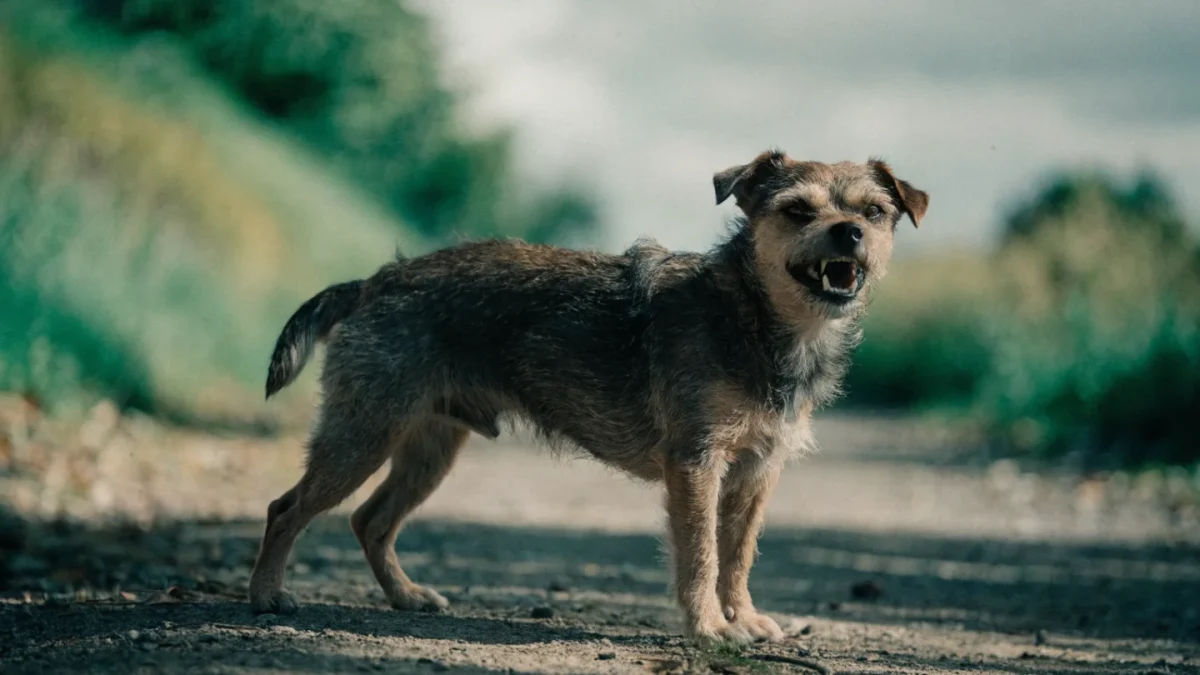
Fear aggression sits on a continuum. Early in the escalation, you see the same signals as any fearful dog: ears back, tail tucked, body curved away. The difference is that this dog has learned that defensive behavior (growling, snapping, biting) successfully makes scary things retreat.
Classic fear aggression signature:
- Dog appears fearful when the trigger is far away (cowering, trying to retreat)
- As the trigger gets closer, switches from fear signals to aggressive signals (growl, snap, lunge)
- If the trigger retreats, the dog instantly calms (the aggression served its purpose)
- "Acts tough" on leash, completely different off-leash with room to avoid
The dog isn't aggressive because they're predatory or dominant. They're defensive because they're scared and have learned that defense works.
Why Punishment Makes It Worse
Punishing a fear-aggressive dog for growling or snapping does not reduce the fear. Our anti-anxiety medications for pets: guide covers this in depth. It removes the warning behavior while the underlying fear remains. The practical consequence: the dog stops showing warnings and goes straight to biting.
This is why you sometimes hear about dogs who "bit out of nowhere" — they'd been punished for growling until they stopped growling. The bite wasn't out of nowhere; the owner just couldn't see it coming anymore.
Building Confidence: The Actual Approach
Systematic desensitization. Identify the threshold distance for the trigger and work below it. Dog sees a person at 30 feet? Stay at 40 feet, pair with treats, let the person walk away. Repeat many times before decreasing distance. Never force approach.
Counterconditioning. Every appearance of the trigger = high-value food. Trigger gone = food stops. The dog's brain learns: that thing I'm scared of actually predicts great things. Over time, the emotional response to the trigger shifts.
General confidence building. Fear-aggressive dogs benefit from consistent positive training experiences that build trust and a general sense of agency. Learning that their behavior produces predictable, positive outcomes reduces the global anxiety state. See socializing a fearful dog for the broader framework.
Remove the dog from situations they can't handle. Not as punishment — as welfare. A dog who's being pushed past their threshold in every encounter is a dog who's constantly practicing defensive behavior. Management gives them space to recover and lowers the overall anxiety baseline.
When to Bring in Professional Help
Fear aggression that involves bites causing significant injury, aggression toward children, or aggression that's worsening despite appropriate management and counterconditioning work warrants professional assessment. A veterinary behaviorist can evaluate whether medication would support the behavior modification work and can supervise the protocol directly.
FAQ
My dog bit a stranger who approached too quickly. Is this fear aggression?
Likely yes if the bite happened after the dog was already showing fear signals (moving away, freezing, low posture) and if the dog calmed once the stranger backed off. Single-incident bites in clear "scared, surprised, cornered" contexts are often fear-based, not predatory or dominance-based.
Can fear aggression be completely resolved?
Some fear-aggressive dogs reach a point where they respond to the previously scary triggers with complete relaxed neutrality. Others improve significantly but retain some level of reactivity in high-intensity situations. The realistic goal is: safe to interact with people/dogs in managed situations, and with appropriate management in high-risk contexts.
Is there medication that helps fear-aggressive dogs?
Yes. Several anti-anxiety medications can reduce the baseline anxiety that drives fear aggression, making it easier for the behavior modification training to work. This isn't sedation — it's anxiety reduction. Ask your vet or veterinary behaviorist about whether medication is appropriate for your dog's situation.
The message I always want fear-aggressive dog owners to take away: your dog is not bad. They're scared. Working on the fear is the path to a safer, happier dog.