

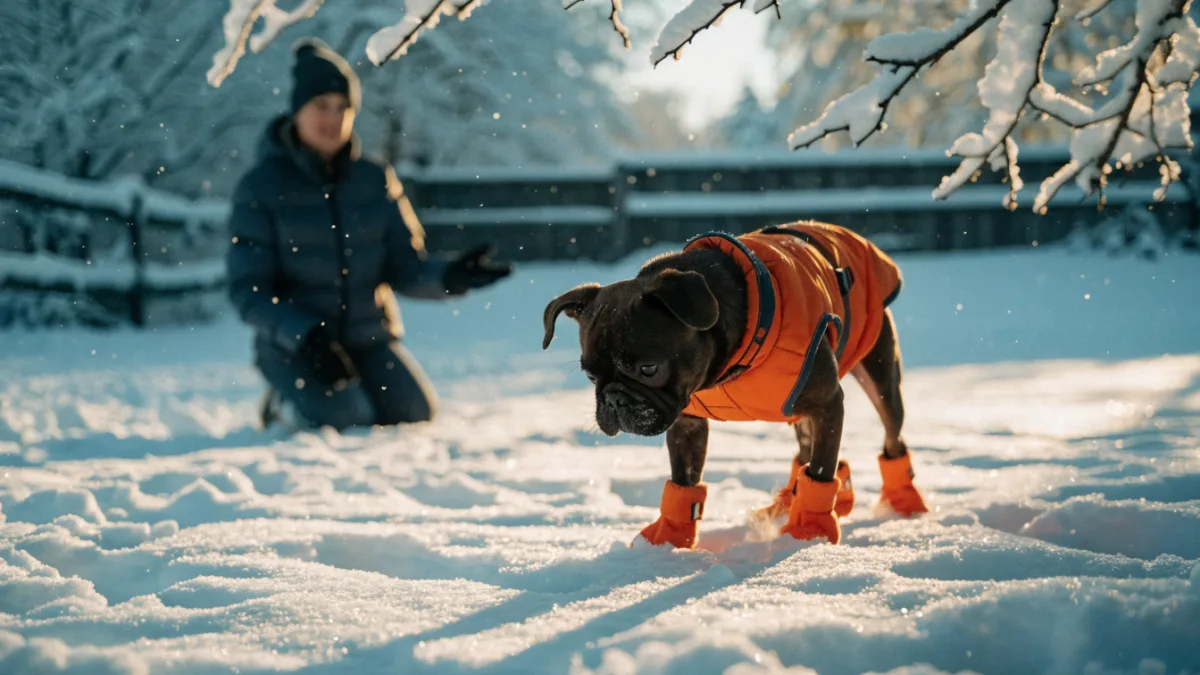
The first snowfall of the year always looks perfectly magical from the warm side of a window. You picture romantic winter walks, frolicking canines, and a majestic dog posing for a holiday card. Then reality hits. The door opens, a blast of freezing air smacks you in the face, and your dog looks at you like you’ve just betrayed their entire trust.
Winter weather is a completely different beast when you have pets. It’s not just about dealing with cold paws and the sudden realization that your cat now refuses to leave the heating vent; it requires actual strategy. Between unpredictable bomb cyclones and freezing morning walks, keeping our companion animals safe in the freezing outdoors requires a bit more effort than just opening the back door. But with some preparation, a little gear, and an understanding of how our pets experience the cold, you can get through the season without losing your mind.
The Myth of the “Outdoor Pet”
There is a surprisingly persistent debate in the pet world about whether certain breeds are built to withstand freezing temperatures. You’ve probably heard someone say that their Husky or Malamute is perfectly fine sleeping in the snow. And while it’s true that thick-coated, cold-weather breeds have a much higher tolerance for a chilly day than my short-haired dog, Barnaby, animal welfare experts are entirely unified on this front: regardless of breed, all pets should be brought indoors when temperatures severely drop.
The,[1] and other welfare organizations stress that leaving pets out in the freezing cold is incredibly dangerous. When temperatures plummet, pets left outdoors are at a high risk of developing frostbite and hypothermia. It doesn’t matter how thick their undercoat is—prolonged exposure to freezing temperatures, ice, and wind chill is dangerous. Time spent outside during winter weather should be strictly limited to quick potty breaks and brisk walks.
The Golden Rule of Winter Walks
If there is only one rule you remember for winter pet care, let it be this: never let your dog off-leash in the snow or ice.
Dogs rely heavily on their noses. In a heavy snowstorm or on icy ground, snow covers up familiar scents. This makes it incredibly easy for dogs to lose their scent trail, dramatically increasing the risk of them becoming disoriented and lost. A dog that usually has a flawless recall on a sunny Tuesday might suddenly find themselves miles away because the snowy ground masked the smell of home. Keep the leash on. Always.
Bundling Up: High Fashion Meets Function
There is a lingering, somewhat hilarious idea that putting a coat or booties on a dog is a frivolous, purely aesthetic choice made by overly dramatic pet parents. I will admit, watching Barnaby do the high-step awkward dance the first time I put boots on him was a personal highlight of my winter. But veterinarians heavily advocate for bundling up our pets—and no, it isn’t just for the Instagram photos.
If you have a short-haired breed, a senior dog, or a pet with compromised health, their natural fur just isn’t going to cut it in freezing weather. Sweaters and waterproof coats are essential to keep them warm and dry. When looking for a coat, focus on the fit and material. You want something that covers their belly and chest—where they have less fur—and is waterproof, because a wet dog in freezing temperatures is a fast track to a shivering mess.
Protecting Those Paws
Paw care is where winter gets truly sneaky. Ice and snow can form painful, sharp little ice balls between your dog’s toes, which can cause cracking and injuries to their paw pads. Worse, if you live in an area that salts the roads and sidewalks, that de-icing salt is highly toxic and incredibly irritating to their skin. If your dog licks it off later, they are ingesting harsh chemicals.
Booties are the absolute best defense here. If your dog absolutely refuses to wear them (some dogs will hold a grudge for days, and honestly, fair enough), look for a paw wax barrier you can smear on their pads before a walk.
You also have to do a paw-check the second you get back inside. Wipe their paws down with a warm, damp cloth to remove any salt, sand, or ice. And while you’re checking their feet, monitor how they are walking. Cold weather can significantly exacerbate joint stiffness and arthritis. If your older dog is suddenly moving like a rusty hinge after a winter walk, it’s time to talk to your vet about cold-weather joint support.
Hydration and the Indoor Reality
When we think of dehydration, we usually think of the dead of summer. But winter is incredibly dry. Providing plenty of fresh water is vital during the winter months to keep pets healthy and actually aid in temperature regulation.
My cat, Mochi, has a frustrating habit of refusing to drink water if it isn’t exactly the right temperature. In the winter, she will practically demand that I run the faucet for her. If you live somewhere prone to freezing, you also have to check outdoor water bowls constantly—water freezes remarkably fast, leaving outdoor or community cats with nothing to drink. Snow is absolutely not a substitute for fresh water.
Surviving the Storm: Emergency Prep
It feels like severe winter weather is becoming more unpredictable every year. Between historic cold fronts and massive power outages, waiting until the night before a blizzard hits to prepare is a recipe for panic. Experts, including the [2] recommend treating your pets like any other human family member when severe weather threatens.
If the power goes out, or the roads are completely impassable, you need a dedicated emergency supply just for them.
Your Winter Pet Checklist
Before the next big storm rolls in, make sure you have the following stockpiled:
- A 3 to 7-day supply of food and medications: Don’t wait until the last minute to refill your pet’s prescriptions or specialized diet. If you get snowed in, you don’t want to be rationing kibble.
- Bottled water: Frozen pipes are a major reality during severe winter storms. If your home loses water pressure or your pipes burst, you will need safe, fresh water for your pets to drink.
- A pet “go-bag”: If you need to evacuate suddenly due to a power outage or structural damage, have a bag ready with leashes, a pet first-aid kit, vaccination records, and a few comforting toys or blankets.
Being prepared isn’t about catastrophizing; it’s just about recognizing that severe weather doesn’t care about our convenience.
Embracing the Winter Season
Winter doesn’t have to be a miserable season of waiting for the spring thaw. Some dogs absolutely lose their minds with joy the second they see snow, bounding through drifts like they’ve been waiting their whole lives for this exact weather. Cats might not be jumping into snowbanks, but there is a distinct, deeply amusing satisfaction they seem to get from watching the dog suffer through the cold while they bask in a sunbeam.
Our domesticated animals rely on us entirely to navigate a world they don’t fully understand. While wild animals have evolved complex behavioral and biological adaptations to survive freezing environments, our house pets have largely traded those survival instincts for the comfort of our living rooms. By respecting the harshness of the freezing outdoors, debunking the myth of the “tough outdoor pet,” and taking the time to prep our homes and gear, we make sure the season is safe—and maybe even a little fun—for the whole family.