

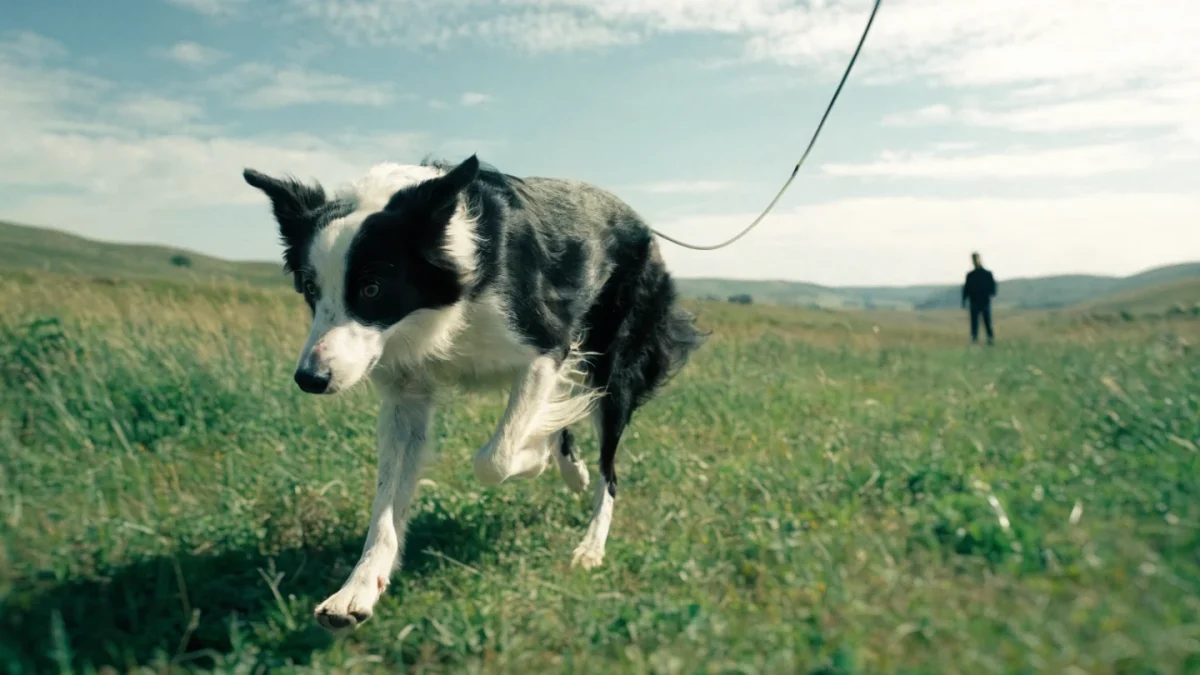
A long line is one of the most useful training tools there is, and one of the most underused. It solves a specific problem: how do you give your dog meaningful freedom to explore while maintaining enough control to prevent them from practicing problematic behaviors or blowing off recalls?
Answer: a 15-30 foot lightweight line attached to a harness.
What a Long Line Is
A long line is exactly what it sounds like — a long leash. They come in various lengths from about 15 feet to 50 feet, in materials ranging from biothane (easy to clean, doesn't tangle as much) to cotton to nylon.
The dog wears it attached to a back-clip harness (not a collar — you don't want an accidental check or pop if the line goes taut). The line drags on the ground and you pick it up if you need to intervene.
What It's Used For
Recall building: The most important use. When you call your dog and they don't come, you can gently guide them toward you by picking up the line — without the recall becoming a chase. The dog learns that a called recall always happens, one way or another, without the option of running away.
Off-leash skill development: Before trusting a dog fully off-leash in a given environment, the long line lets you practice the off-leash skills (checking in, recall, leave-it) with a safety net. When the dog is reliable on the long line, you're reasonably confident they'll be reliable off it.
Exploration and decompression: Dogs need sniff time. A long line lets a dog explore, sniff, and decompose mentally without you needing to walk every inch of the path with them. They wander, you follow loosely.
Preventing self-reinforcement: If your dog has a habit of chasing wildlife, playing keep-away, or getting into things — the long line lets you interrupt and redirect before they get the reward.
How to Use It
In low-traffic areas only: Long lines are not for sidewalks or busy parks. Too many opportunities for the line to tangle around people, other dogs, or obstacles.
Let it drag freely: Most of the time, the line just drags. You only pick it up when you need to cue something or intervene. Constantly holding it taut defeats the purpose.
Practice recalls often: On every long-line session, call your dog multiple times. Make it worth their while — great treats, enthusiastic praise. The point is building a recall that's reliable in that environment.
Step on the line, don't grab it: If your dog is about to run after something, step on the dragging line rather than grabbing it. Grabbing it fast can injure your hands with a powerful dog. Stepping on it stops forward movement safely.
Transition off the line gradually: When the dog is performing well on a long line in an environment, shorten the line over multiple sessions. Then try a lighter "ghost line" (a short piece of line that gives them the sensation without meaningful attachment). Then work off-leash.
Safety Notes
Check your equipment before each session. Harnesses wear; long lines wear. A broken connection during a long-line session removes your safety net.
Don't use a long line near water if your dog isn't a strong swimmer — a tangled line around a dog in water is dangerous.
Keep an eye on where the line is at all times to avoid tripping yourself or wrapping around children or other dogs.
The leash training foundation skills — following the handler, responding to light pressure — help make long-line work more effective. And for the recall work, a solid plan for recall and off-leash training will get you there faster. (See also: reliable dog recall.)
The long line gives you both things you want: a dog that has real freedom to be a dog, and the safety net to make sure that freedom doesn't come at the cost of the training you've built.