

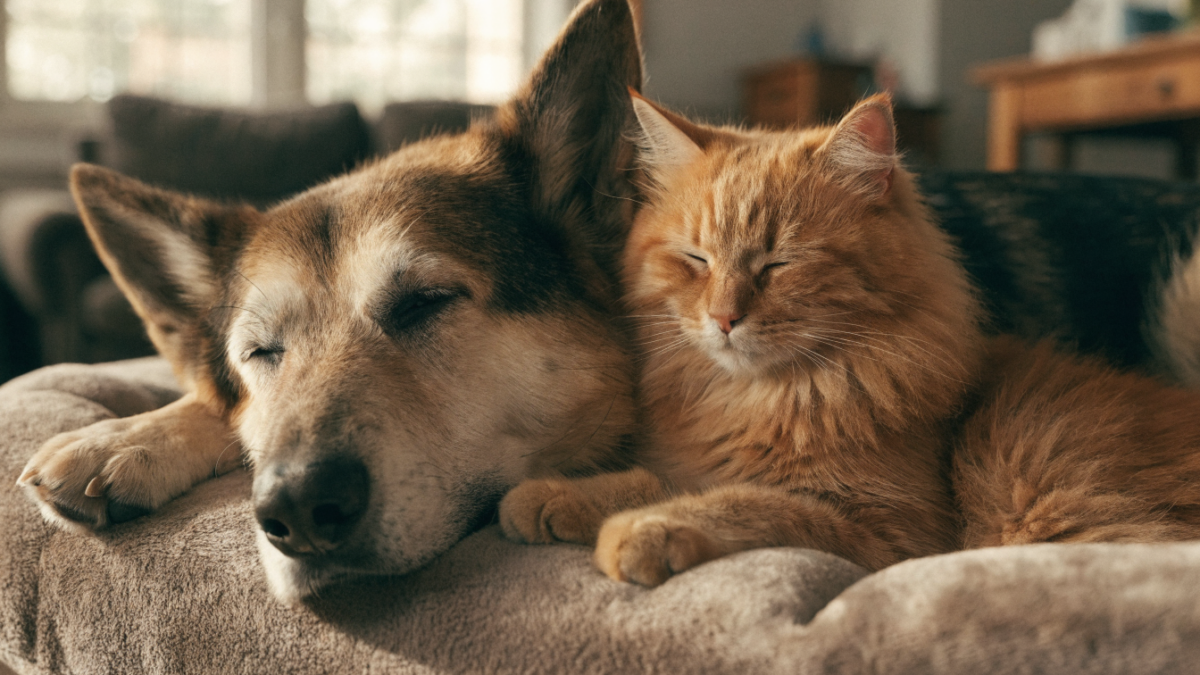
There’s a striking divide in how mobility problems show up at the clinic. A dog will practically limp through the door, leaning on their owner, making it incredibly obvious that something hurts. A cat, on the other hand, will sit quietly in the corner of their carrier, perfectly groomed, looking completely unbothered. It’s a tale of two species: the dog is eager to please but physically limited, while the cat is an evolutionary marvel programmed to hide any sign of weakness. When we’re talking about hip dysplasia and the resulting osteoarthritis (OA), understanding this fundamental behavioral difference is the most critical step in helping them.
The Anatomy of a Failing Joint
Hip dysplasia isn’t a disease that strikes overnight. It’s a mechanical problem that begins during an animal’s growth phase. In dogs, particularly large breeds, the hip joint develops with too much laxity, which is just a medical term for looseness. Instead of the femur (the thigh bone) fitting snugly into the pelvis like a ball in a socket, the joint wobbles. Over months and years of walking and running, this loose joint grinds down the protective cartilage. The body tries to stabilize the joint by laying down new bone, which creates painful bone spurs. The end result is osteoarthritis—a progressive, degenerative joint disease.
I remember a patient named Cooper, a goofy, lovable six-year-old German Shepherd. His owner brought him in because Cooper had started doing what we call the “bunny hop” when he ran, keeping his back legs together instead of striding normally. His owner thought he had just pulled a muscle chasing a tennis ball. But when I watched him walk and felt his hips, the laxity was unmistakable. His X-rays confirmed severe dysplasia in both hips. We see this genetic predisposition constantly in shepherds, retrievers, and rottweilers, though any dog can be affected.
What About Feline Hips?
Cats get hip dysplasia, too. In fact, it is genetically inherited in felines, particularly in larger breeds like Maine Coons. Yet, the feline hip differs anatomically from the canine hip. Cats are built for agility, leaping, and absorbing shock, which means their joints are shaped slightly differently to handle immense force. However, the mechanical failure is the same. If a cat is born with a shallow hip socket or a poorly angled femur, the joint still wears down over time.
The difference isn’t really in the anatomy; it’s in the recognition. According to veterinary research, there is a massive “recognition gap” in feline joint disease. For decades, hip OA in cats was considered rare. We now know it is incredibly common, but because cats are stoic hunters by nature, they simply don’t show pain the way dogs do.
The Stoic Hunter: Why Cats Suffer in Silence
If you want to know if a dog has hip pain, watch them get up from a nap. They’ll groan, they’ll struggle to rise, and they might limp for the first few steps. They will tell you they hurt.
A cat will tell you nothing. In the wild, a predator that shows pain becomes prey. Because of this, feline pain symptoms are highly subtle. I’ll never forget treating Cleo, an eleven-year-old tabby. Her owner brought her in because Cleo had suddenly started urinating on the bathroom rug. The owner was frustrated, assuming it was a behavioral issue or a urinary tract infection. But when I asked more questions, I learned that Cleo had also stopped sleeping on her favorite windowsill, and she was getting matted fur along her lower back.
We took X-rays, and sure enough, Cleo had severe hip dysplasia and advanced arthritis. She wasn’t peeing on the rug out of spite. The walls on her high-sided litter box were too tall, and it hurt too much for her to step over them. She couldn’t twist her body to groom her lower back anymore, hence the mats. And she couldn’t jump the four feet up to the windowsill. Once we knew what was wrong, the owner felt terrible for being mad, but how could she have known? Cats are masters of disguise.
Spotting the Signs: A Species Divide
Because dogs and cats express pain so differently, you have to look for different warning signs.
Canine Clues
- Changes in gait: The classic “bunny hop” with the hind legs, or a noticeable limp.
- Difficulty rising: Stiffness when getting up from the floor, especially after rest.
- Reluctance to exercise: Refusing to jump into the car, hesitating at the bottom of the stairs, or lagging behind on walks.
- Muscle wasting: Over time, you might notice the muscles in their back legs look thinner than their front shoulders because they are shifting their weight forward.
Feline Clues
- Litter box issues: Reluctance to use a box with high walls.
- Grooming changes: Matted or unkempt fur, particularly on the lower back, hips, and hind legs.
- Behavioral shifts: Hiding more, sleeping in different (lower) places, or irritability when touched.
- Reduced jumping: Climbing onto a chair to reach a counter instead of jumping straight up.
From X-Rays to Treatment Plans
Getting a diagnosis is relatively straightforward, though it requires a bit of cooperation. I can usually feel the grinding in a dog’s hip during a physical exam, though I always recommend radiographs to see the exact extent of the bone damage. For cats, a physical exam is notoriously difficult because they tense their muscles when stressed. To get a true look at a cat’s hips, we almost always need to use heavy sedation so their muscles relax and we can position the joints properly for an X-ray.
Medical Management
I’ve changed my mind on a few things over the years, mostly regarding how aggressively pain should be treated. Veterinary medicine used to rely heavily on human medications, which can be incredibly dangerous for pets, especially cats whose livers process drugs very differently than ours. Please, never give your pet medication without consulting your vet first—doses that are safe for dogs can be fatal to cats, and the wrong dosage can cause severe organ damage.
Today, we have incredible, evidence-based options. For dogs, we use targeted non-steroidal anti-inflammatory drugs designed specifically for canine metabolisms. The biggest breakthrough recently has been in feline medicine. Historically, cats were left undertreated because safe, long-term pain medications were nearly impossible to find. Now, we have access to specialized therapies, including monoclonal antibodies—highly targeted proteins that neutralize the specific nerve signals that cause OA pain in cats without affecting their organs. It has been a complete game-changer for cats like Cleo.
I often have owners ask me about adding turmeric or homeopathic remedies to their pet’s food. I understand the appeal of natural options, and while ingredients like glucosamine and chondroitin can support joint health, they cannot mechanically fix a destroyed joint or stop severe inflammatory pain on their own. It’s best to look for supplements backed by veterinary research that have undergone independent testing for purity. We use these as a supportive tool, not a primary cure.
The Surgery Debate
When medical management isn’t enough, surgery is heavily researched and frequently performed in dogs. Procedures like a Femoral Head Ostectomy—where we remove the “ball” of the ball-and-socket joint to allow the body to form a pain-free false joint—are common. For larger, highly active dogs, total hip replacements are becoming the gold standard.
However, a massive debate exists regarding feline surgery. Because cats are smaller and lighter, many specialists argue for aggressive conservative management (weight loss, environmental changes, and pain meds) over invasive procedures. While surgeries exist for cats, they carry higher risks and longer recoveries. Most of us prefer to manage feline hip dysplasia medically unless the pain is completely unmanageable.
Adapting Your Home for Comfort
Whether you are treating a dog or a cat, environmental modification is non-negotiable. Joint supplements and medications are only half the battle; the other half is reducing the physical stress on their bodies.
- Provide traction: Slippery hardwood floors are the enemy of arthritic joints. Lay down runners or textured mats on the paths your pet walks most.
- Offer steps and ramps: If your dog sleeps on your bed or your cat loves the sofa, give them a way up that doesn’t require explosive jumping.
- Upgrade bedding: Look for orthopedic beds made of thick, supportive memory foam that distribute their weight evenly. If they are older, ensure the bed has a low entry point.
- Modify the litter box: For cats, switch to a litter box with a very low entry wall, or cut a doorway into a plastic storage tub.
- Manage weight: Obesity puts immense, mechanical pressure on failing joints. Keeping your pet lean is the single most effective thing you can do to slow the progression of OA.
The most valuable takeaway I can offer is to become an expert in your own pet’s normal behavior. The “hidden epidemic” of feline arthritis thrives because we assume cats are just getting old and grumpy. The decline in a dog’s mobility is often chalked up to natural aging when it is actually manageable pain. By recognizing the subtle stoicism of cats and the genetic pitfalls in our dogs, we can shift our focus from simply curing the incurable to actively preventing, screening, and vastly improving the quality of life for the animals that share our homes.