

I’ll never forget the morning David brought his eight-month-old Golden Retriever, Maple, into the clinic for her spay surgery. David was pale and pacing the lobby. He told me he had been up all night reading internet forums about pets who went under anesthesia and never woke up. He was seriously considering canceling the surgery, even though he knew she needed it.
David’s fear is completely normal. In fact, I see it almost every single day. Handing your beloved companion over for a procedure that requires sedation or general anesthesia feels incredibly vulnerable. But I always tell my clients exactly what I told David that morning: modern veterinary medicine has made anesthesia incredibly safe.
Let’s look at the actual data. A massive, multi-institutional British study found that the risk of anesthetic death for healthy dogs is just 0.05%. For healthy cats, the numbers are similarly reassuring. Survival rates for healthy pets exceed 99%. To put that into perspective, driving your pet to the clinic is statistically more dangerous than the anesthesia they receive once they get there.
However, understanding the facts doesn’t mean we ignore the risks. It means we contextualize them. When we talk about the risks of “going under,” we need to shift the conversation away from the anesthesia itself and focus squarely on the individual pet on our exam table.
What Actually Makes Anesthesia “High Risk”?
There is a persistent myth that general anesthesia is inherently dangerous. In reality, anesthesia is officially classified as “high risk” only when a pet has pre-existing health problems that could lead to life-threatening complications while they are anesthetized. The drugs we use are very safe; it’s the pet’s underlying physiology that dictates the risk.
When we assess a pet, we aren’t just looking at the procedure; we’re looking for comorbidities (a term we use to describe chronic conditions happening at the same time, like heart disease or kidney issues).
If a pet has a heart murmur, for example, their cardiovascular system might not be able to handle the drops in blood pressure that sometimes accompany anesthesia. If they have early-stage kidney disease, their body might struggle to filter the medications out of their system efficiently. That’s exactly why we require pre-anesthetic bloodwork. I’ve had countless patients who looked perfectly healthy on the outside, but their blood panels revealed elevated liver enzymes, prompting us to change our drug protocols entirely. Identifying these hidden issues before a pet goes under is the single most effective way we keep them safe.
The True Danger of Avoiding Necessary Procedures
Because of the fear surrounding “going under,” I often see owners delay or entirely avoid elective procedures. This is where I’ve actually changed my own messaging over the years. I used to politely accept it when a client said, “We’re just going to skip the dental cleaning because I don’t want to risk the anesthesia.” Today, I push back gently, because avoiding anesthesia is often far more dangerous than the procedure itself.
The most glaring example is the decision to skip spaying or neutering. Dogs and cats who are not spayed have a nearly 50% chance of developing fatal reproductive illnesses or untreatable breast cancer (mammary gland carcinoma). When you compare the less than 1% risk of anesthetic complication to a 50% chance of developing a highly aggressive cancer, the risk-versus-reward equation becomes very clear. The surgery is drastically safer than skipping it.
The same goes for dental disease. Advanced periodontal disease doesn’t just cause bad breath; it releases bacteria into the bloodstream that can permanently damage the heart valves and kidneys. I regularly see pets in terrible, chronic pain because their owners were too frightened to allow a professional dental cleaning. I always remind owners that short-term anesthesia prevents long-term, systemic disease.
Breed-Specific Blueprints
While healthy pets face minimal risks, I always remind my team that we can’t use a one-size-fits-all approach. Different breeds process medications differently, and we constantly adjust our anesthetic protocols based on breed, age, and health status.
Brachycephalic Breeds
If you have a Pug, French Bulldog, or Persian cat (brachycephalic or “flat-faced” breeds), you already know they snort and snore. This is because their upper airways are anatomically squished. They have elongated soft palates that can block their windpipes. For these pets, the risk isn’t usually waking up; it’s keeping their airway open safely while they are asleep. We use specialized breathing tubes and keep them on oxygen long after the procedure ends until they are fully awake and able to manage their own airways.
Sighthounds
Breeds like Greyhounds and Whippets are built for speed, with very low body fat. Anesthetic drugs are often stored in fat tissue. Because sighthounds lack significant body fat, the drugs process through their bodies differently, sometimes leading to prolonged recoveries. Over the years, research has evolved our understanding of this, and I’ve completely changed my mind on how we sedate these dogs. We now use highly specific combinations of drugs that clear the system rapidly and safely for lean, athletic breeds.
What Happens Behind the Closed Doors?
One of the best ways to ease your anxiety is to understand exactly what happens after you hand the leash to the veterinary technician. According to the American Veterinary Medical Association (AVMA), a safe anesthetic event is a highly choreographed process.
- Pre-medication: We give an injection to ease anxiety and provide pain relief before we even start. This allows us to use lower doses of the actual anesthetic gas.
- Induction: We administer a fast-acting intravenous medication to make your pet fully unconscious so we can place a secure breathing tube down their trachea.
- Maintenance: Your pet breathes a precise mixture of oxygen and anesthetic gas. They are not “in a coma”; they are in a state of controlled, reversible unconsciousness.
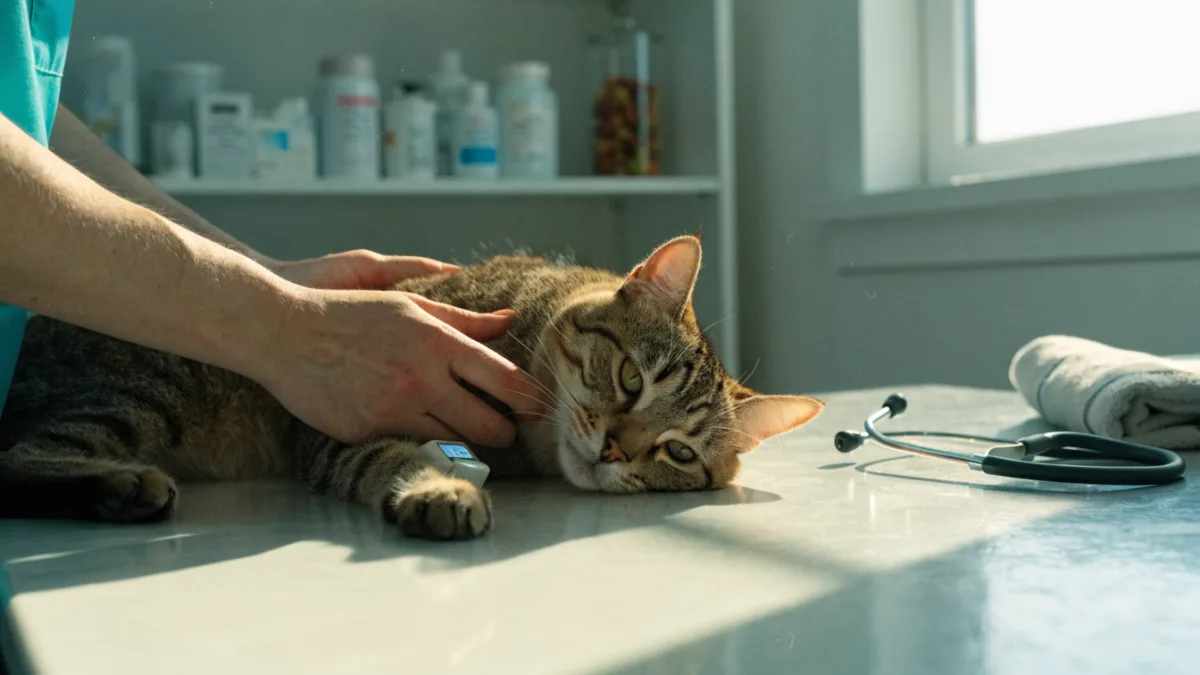
- Monitoring: This is where the magic happens. A dedicated technician is at your pet’s head from the moment they go to sleep until they are sitting up. We track heart rate, blood oxygen levels, carbon dioxide output, and blood pressure using continuous monitors. If a number drops even slightly, the technician adjusts the fluids or gas instantly.
How You Can Be an Advocate for Your Pet
You play a crucial role in your pet’s safety. Never be afraid to ask your veterinary team questions. Ask what pre-anesthetic bloodwork they will be running. Ask who will be monitoring your pet’s vitals, and what kind of monitoring equipment they use. A great clinic will welcome these questions because it shows you are engaged in your pet’s care.
When David brought Maple in for her spay, we sat down and went over her bloodwork results together. We talked about the technician who would be holding her paw through the procedure, and the IV fluids we would use to keep her blood pressure stable. I could physically see the tension leave David’s shoulders. He dropped her off with a smile, and by that afternoon, Maple was back in his arms, groggy but wagging her tail.
Modern veterinary medicine isn’t about just “surviving” procedures anymore. We have pushed pet survival rates past 99%, allowing us to safely perform complex, life-saving surgeries even on pets with severe health conditions. By focusing on evidence-based care, personalized protocols, and thorough monitoring, we ensure that going under is just a safe, temporary nap on the way to a longer, healthier life.