

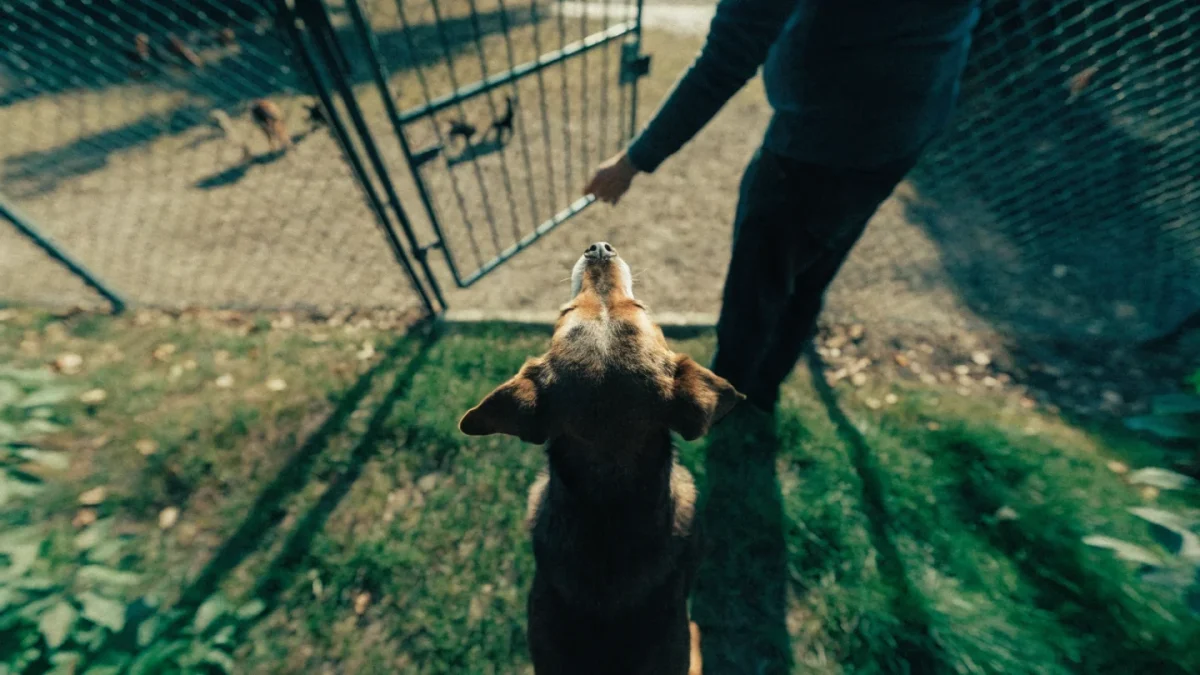
There's a principle in behavioral psychology that most dog owners use accidentally and rarely use intentionally. Once you understand it, every moment of the day becomes a potential training opportunity.
The Premack principle, sometimes called "Grandma's Rule" (eat your vegetables and then you get dessert), states that higher-probability behaviors can reinforce lower-probability behaviors when contingent access is established.
Less academically: anything your dog really wants to do can be used as a reward for something they're less inclined to do.
Why This Matters
Most people think of dog training rewards as food or toys. These are fine, especially for initial learning. But over a dog's lifetime, you're surrounded by things they want that you could be using systematically.
The door they want to go through. The leash you're about to put on. The sniff spot they've been pulling toward for the last 50 meters. The greeting with another dog. Getting off leash at the park. All of these are high-probability behaviors in that moment — the dog would reliably do them if given the chance.
Making access to these contingent on a behavior you want is using the Premack principle.
Practical Examples
Sit before the door opens. The dog wants to go outside. Going outside is a high-probability behavior (they'd absolutely do it). Make it contingent: sit first → door opens. Over thousands of repetitions, the dog develops a default sit at doors.
Recall before off-leash running. Call the dog to you, touch their collar (important — don't always call only to leash them), then release them to run again. The running reinforces the recall. This is one of the best ways to build a fast, reliable recall.
Wait before greeting another dog. Dog desperately wants to greet the approaching dog. Ask for a sit or down. The moment the sit is achieved: "go say hi." The greeting reinforces the wait.
Walk to the sniff spot. Dog is pulling toward a lamppost they want to sniff. Stop, ask for a brief loose-leash walk, then say "go sniff" when they're close and the leash is relaxed. The sniff reinforces the brief loose-leash moment.
Building These Into Daily Life
The power of Premack-based training is that it requires almost no extra time — you're using transitions that are already happening. The dog is always going out the door, always wanting things, always about to get something they want. Making that access contingent on small behaviors builds the behaviors across thousands of natural repetitions per week. (See also: sniff walks.)
This is why dogs trained by people who understand this principle often seem remarkably well-mannered without the owners having done much "formal training." They've been using every moment.
See training rewards beyond treats for the full spectrum of non-food reinforcers this principle builds on.