

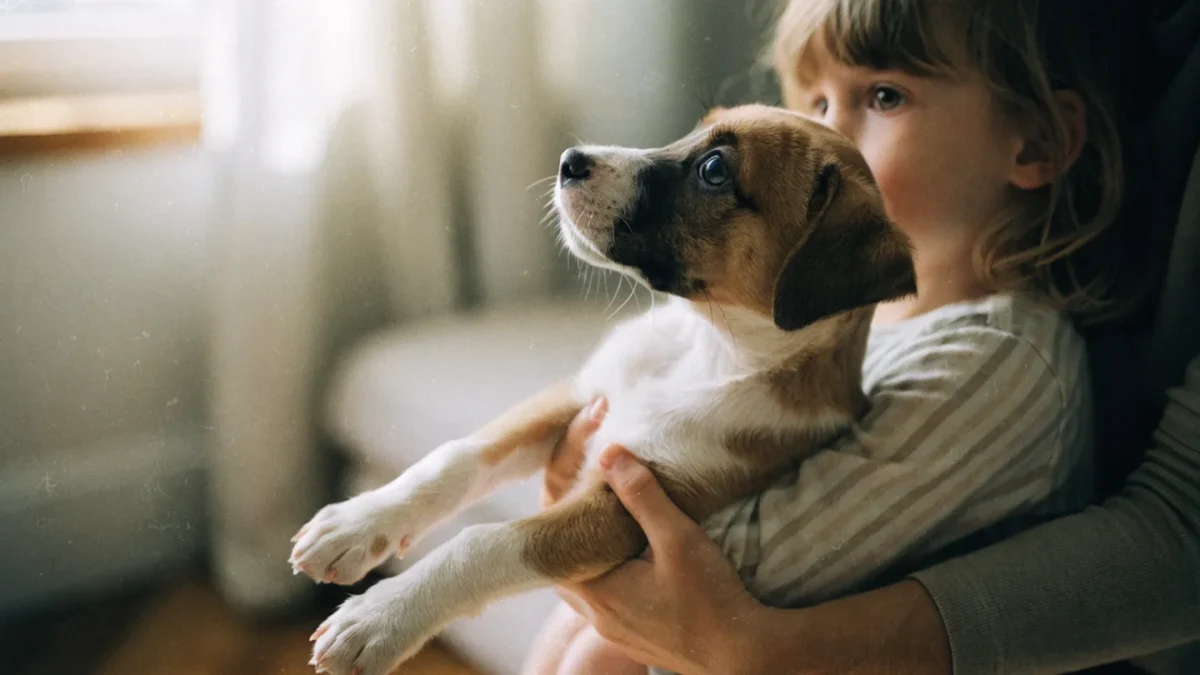
The socialization window is the most influential concept in canine behavioral development. Understanding it — not just in principle but in how to actually use it — makes an enormous difference in the dog you raise.
The Biology Behind It
Puppies are born with a fear system that is initially underdeveloped. This serves an evolutionary purpose: newborns that feared everything, including their littermates and mother, wouldn't survive. The fear system matures gradually.
During the critical socialization window (roughly 3-16 weeks), the brain is actively mapping what's normal. Novel stimuli encountered in this period are more likely to be processed as neutral or positive. The puppy's brain is essentially asking: "Is this thing dangerous or is it just part of the world?"
A puppy that encounters bicycles, strangers, loud noises, and other dogs during this window builds the neural representation of these things as "part of normal life." A puppy that encounters nothing develops no such mapping — and then encounters these things as an adult, when the fear system is fully active, and processes them as potential threats.
What the Research Shows
Studies going back to Scott and Fuller's 13-year research project at the Jackson Laboratory — published in 1965 as Genetics and the Social Behavior of the Dog — established that dogs have developmental stages with distinct sensitive periods.
The key findings:
- Puppies isolated from human contact until 14 weeks showed significant, often permanent, difficulty relating to humans
- Puppies with rich exposure during 7-12 weeks showed more stable adult temperament in novel situations
- Negative experiences during the critical period can also have lasting effects — this cuts both ways
More recent neurological research has suggested the sensitive period may be shorter than the upper boundary (around 14-16 weeks), but the practical guidance has remained consistent.
If you want the full breakdown, check out socializing an adult dog.
The Vaccination Complication
Here's the tension that causes real frustration for puppy owners: the critical socialization window overlaps with the period before full vaccination is complete. Fully vaccinating a puppy takes until approximately 14-16 weeks, depending on the schedule.
The American Veterinary Society of Animal Behavior, among others, has recommended that the socialization benefit of puppy socialization classes before full vaccination outweighs the disease risk in properly managed settings. The risk of inadequate socialization (a lifetime of behavioral problems) is considered greater than the disease risk in most controlled environments. That's still their official position — puppies can start socializing as early as 7 to 8 weeks with just one round of vaccines on board, as long as they're healthy and the class keeps its own health standards up.
In practice: socialize with known, healthy dogs. Avoid high-risk environments (dog parks, pet stores with unknown vaccination status). Puppy classes run by qualified trainers with health requirements are considered appropriate.
Using the Window Effectively
The socialization checklist gives you a structured list of what to expose your puppy to before 16 weeks. The complete socialization guide covers both the critical period and ongoing socialization.
The general approach: prioritize breadth over intensity. Brief, positive exposures to many different things are more valuable than repeated exposure to a few familiar things.
You have roughly 10 weeks from the typical adoption age (8 weeks) to the closing of the critical window. Those 10 weeks matter enormously. Use them intentionally.