

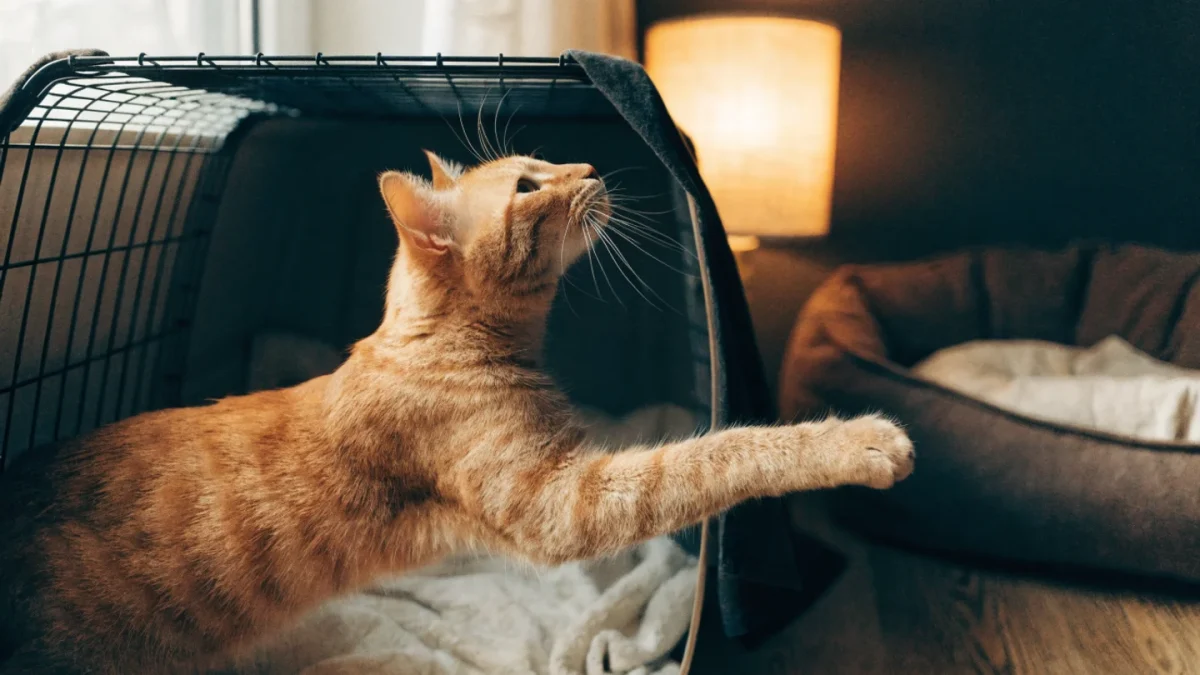
One of the things I always tell owners with anxious dogs: the dog needs a place that reliably means nothing bad is going to happen. A corner of the house that's theirs, that's associated with calm and good things, that they can retreat to when the world is too much.
This sounds simple. But how you introduce and manage it matters.
What Makes a Safe Space Safe
The dog must be able to leave freely. A safe space is not a containment tool. If the dog is locked in a crate during a thunderstorm, the crate isn't a safe space anymore — it's a trap. The dog needs to be able to exit whenever they choose.
It's never used for punishment. If the crate or bed becomes associated with "I'm in trouble," it's no longer a refuge. Keep the safe space completely positive.
It should reduce sensory input. Anxious dogs are often overstimulated. A covered crate, an interior room away from windows, a space with white noise running — these reduce the sensory load during stress events.
The dog chose it or was gently guided there. Some dogs pick their safe spots on their own — behind the couch, under the bed, in the closet. If the dog keeps going to that spot when anxious, that is the safe space. Support it; add bedding and positive associations to it rather than redirecting the dog elsewhere.
Setting It Up
Location. Interior rooms are better than rooms with exterior windows or doors (less noise exposure, fewer visual triggers). Away from the main living area can be quieter but too far can increase anxiety for some dogs.
The crate option. A crate with a cover (a blanket over three sides, leaving the front open) creates a den-like environment that many dogs find calming. Introduce the crate with positive conditioning before it's needed during a crisis. See crate training for dogs for introduction protocol.
Bedding. The dog's familiar bedding with their own scent. Some owners add an unwashed item of clothing with the owner's scent for separation anxiety dogs.
Sound masking. White noise, a fan, or soft music can reduce the impact of triggering sounds.
Building the Association
Before the next stressful event, spend time making the safe space a great place to be:
- Feed some meals near or in the space
- Do short training sessions nearby (make the space predict positive activity)
- Encourage the dog to rest there with a frozen stuffed toy or chew
When the dog goes to the safe space voluntarily — especially during a stressful moment — don't call them out of it. Don't follow them in to reassure (this can actually increase anxiety by communicating that you're also worried). Let them be there.
See the place command if you want to train a specific cue to send the dog to the safe space — useful for situations like guest arrivals.
The safe space won't fix anxiety. But it gives the dog somewhere to go when they need it, which has real value for their quality of life.