

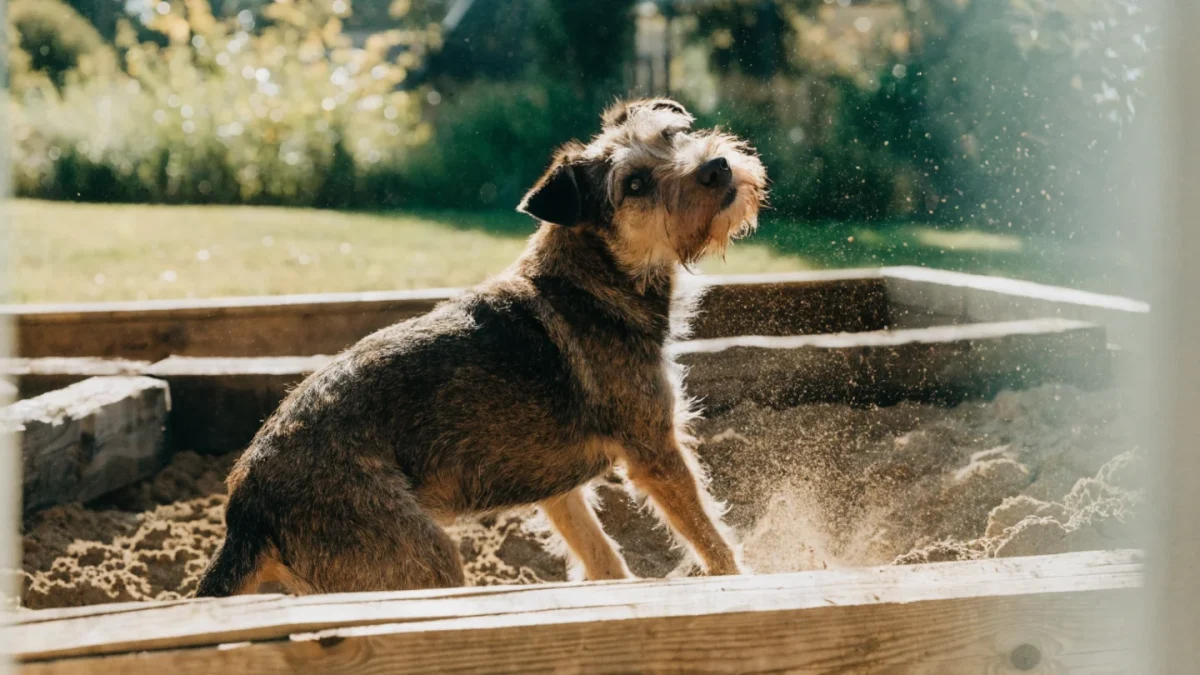
My favorite advice for owners of terriers, huskies, and other diggers: build the dog a sandbox.
This sounds like giving up. It's actually the most effective long-term strategy for managing digging behavior in dogs that have it in their genetics. You're not eliminating the drive — you're redirecting it.
Why Dogs Dig
Before you can address digging, you need to know which version you're dealing with.
Drive-based digging. Terriers were literally bred to dig after prey. Huskies and malamutes dig to create cool sleeping spots. Dachshunds were designed to dig badgers out of burrows. For these dogs, digging is deeply instinctive and deeply satisfying. Attempts to stop it entirely are working against hundreds of years of selective breeding.
Boredom/energy outlet. A dog with too much energy and not enough to do turns to environmental manipulation. Digging is engaging, physical, and self-reinforcing. If your dog digs primarily when left alone for long periods, this is more likely the cause.
Temperature regulation. Dogs digging along fence lines or under bushes are often creating cool resting spots. Providing shade, a kiddie pool, and cool resting areas addresses the need directly.
Escape attempts. Dogs that dig under fences have a specific motivation — either to get to something on the other side, or to reduce anxiety about being contained. These digs are purposeful and directional.
Prey scent. Dogs that smell mice, gophers, grubs, or other burrowing animals will dig to investigate. Particularly motivated in high-prey-drive breeds.
Management First
Supervision. Digging only happens unsupervised. Limit unattended yard time for problem diggers. When you're outside with the dog, you can redirect.
Addressing the cause. For boredom-based diggers: increase exercise and enrichment before outdoor time. A tired dog digs less. For temperature regulation: provide shade and cooling options. For escape attempts: address the motivation for escape (usually arousal about something outside the fence, or anxiety about containment).
The Dig Zone Approach
The most sustainable long-term solution for drive-based diggers is giving them a legal place to dig.
Build a dedicated dig zone: a raised sandbox or designated section of the yard with soft, loose soil or sand. Make it more appealing than the rest of the yard:
- Bury toys, treats, and food items in it regularly
- Encourage the dog to dig there by initially digging yourself in a way that creates excitement
- Reward enthusiastically when the dog digs in the zone
When you catch the dog digging outside the zone: interrupt calmly and redirect them to the dig zone immediately. Redirect, don't punish. The goal is "dig here, not there," not "never dig."
This takes a few weeks to establish, but most dogs with strong dig drives adapt to the zone approach well. The behavior is being met rather than suppressed.
For Non-Drive Diggers
If the digging is clearly boredom or energy-based rather than instinctive, the dig zone is less essential. Increase exercise, add enrichment, and limit unsupervised yard time until the energy issue is addressed. These dogs often stop digging once their stimulation needs are met.