

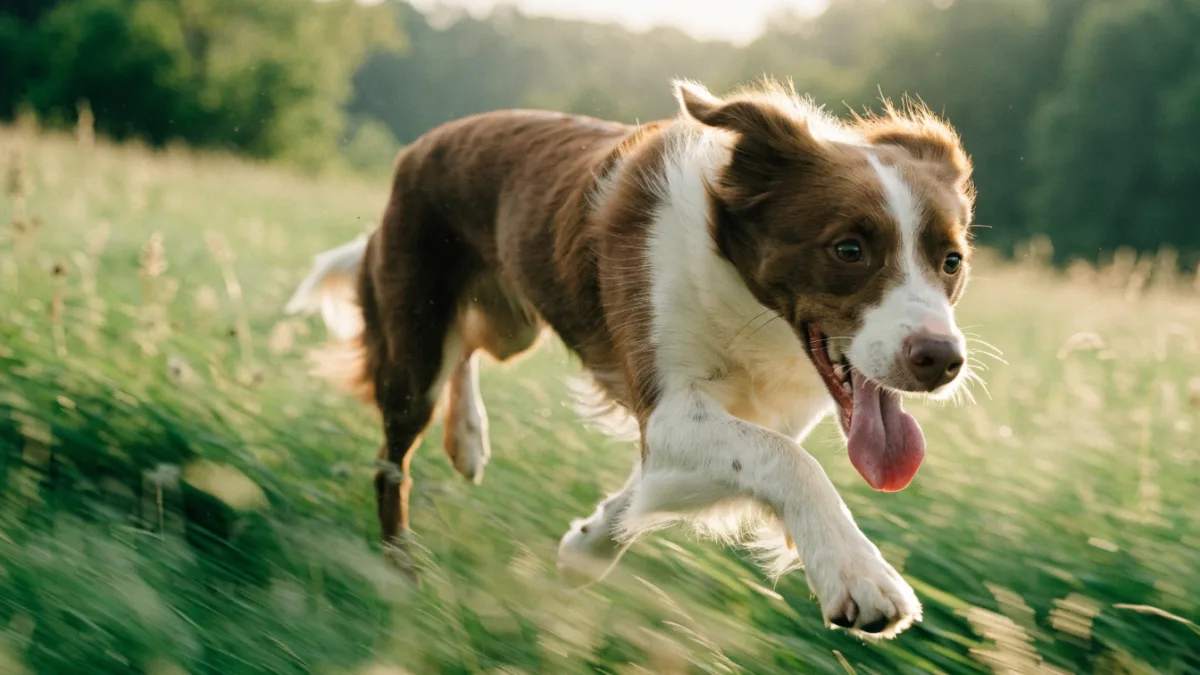
When Marcus, a nine-year-old Labrador Retriever, first hobbled into my exam room with a badly shattered femur from a car accident, his owner Karen was in tears. Not because of the injury itself—she understood bones could break—but because I told her the best path forward was amputation. “I can’t do that to him,” she kept saying. “He’ll never be the same.” Six weeks after surgery, Marcus was chasing tennis balls across Karen’s backyard on three legs, panting and grinning exactly like he always had. He didn’t know he was supposed to feel sorry for himself. He just knew his leg didn’t hurt anymore.
That disconnect between human worry and animal reality is something I see in my practice constantly, and it’s completely understandable. We love our pets. The thought of removing one of their limbs feels violent, even cruel. But in the vast majority of cases, amputation is not the end of a good life—it’s the beginning of a pain-free one. Let’s talk about what life actually looks like for three-legged dogs and cats, because the reality is far more hopeful than most people imagine.
Why Amputation Happens
There are three main paths that lead an animal to life on three legs, and understanding them helps reframe the conversation around what amputation really represents.
Cancer and Bone Disease
The most common reason I amputate a dog’s leg is osteosarcoma—a primary bone tumor that’s particularly prevalent in large breeds like Great Danes, Rottweilers, and Irish Wolfhounds. These tumors are agonizingly painful. By the time most dogs are diagnosed, the cancer has essentially been causing unrelenting pain for weeks or months. Amputation removes that pain at its source, and for many dogs, it’s the single most effective way to restore quality of life in the face of this aggressive disease. I’ve had osteosarcoma patients who were barely walking pre-surgery become playful and engaged within weeks of losing the affected limb.
Trauma
Car accidents, severe falls, and animal attacks can cause injuries that simply cannot be repaired. When I see a cat whose hind leg was mangled by a dog attack, or a dog whose leg was crushed beneath car tires, the question becomes whether reconstructive surgery would leave them with a functional, pain-free limb—or just a limb that looks normal but hurts constantly. Sometimes the kindest choice is to remove what’s damaged and let the animal move forward without it.
Congenital Differences
Some animals are born missing limbs or with limbs that never developed properly. These animals never know any other way of existing, and they typically adapt beautifully. I once treated a six-month-old shelter cat named Willow who was born without her right front leg. She climbed cat trees, chased wand toys, and body-slammed her littermates with zero hesitation. Her new owner told me, “She doesn’t know she’s different. She thinks she’s perfect.”
The Hardest Part: Getting Past Your Own Grief
I’m going to be direct here: in my experience, the biggest obstacle to a successful amputation outcome is not the pet’s recovery. It’s the owner’s grief.
A pet owner facing this decision often cycles through guilt, doubt, and fear. They wonder if they’re being selfish, if their pet will hate them, if life on three legs is somehow diminished. I’ve sat with owners who sobbed through entire consultations, convinced that choosing amputation meant choosing cruelty.
But here’s what I tell every single one of them: your pet does not have the capacity to mourn their lost limb. They don’t look in the mirror and feel diminished. They don’t compare themselves to four-legged dogs at the park. What they experience is pain or the absence of pain. If the limb was causing suffering—and it almost always is—removing it feels like relief. Within days, most pets are adjusting to their new balance and moving forward with the same personality and joy they’ve always had.
There’s a saying that circulates among veterinarians and experienced tripawd owners: dogs are three-legged animals with a spare. It sounds glib, but there’s real truth embedded in it. Canines and felines carry their weight differently than humans do, and they’re remarkably efficient at redistributing the load when one limb is gone. Cats, in particular, seem to treat the whole experience as a minor inconvenience rather than a life-altering event.
If you’re facing this decision and feeling overwhelmed, I’d encourage you to seek out communities of people who’ve been through it. The [1] and various online support groups are filled with owners who once sat where you’re sitting now, terrified and heartbroken, who now post videos of their three-legged pets hiking, swimming, and living full lives. Their collective message is consistent: the anticipation is worse than the reality.
What Recovery Actually Looks Like
Every pet’s recovery timeline is slightly different, but there are patterns I’ve seen repeat themselves over years of practice.
The First Two Weeks
Immediately after surgery, your pet will need strict rest and careful pain management. This is when your veterinary team is most involved—monitoring incision healing, adjusting medications, and watching for signs of discomfort. Most pets are walking (a bit unsteadily) within twenty-four to forty-eight hours. It’s staggering how quickly they begin to figure out their new center of gravity.
Weeks Two Through Six
This is when the real adaptation happens. Your pet will start testing their limits—attempting stairs, wanting to play, trying to move at normal speed. Your job during this window is to be the voice of reason. Too much activity too soon can strain the remaining limbs and the spine, so gradual increases in movement are essential. I usually recommend short, controlled leash walks that slowly build in duration.
Beyond Six Weeks
By the six-week mark, most tripawds have found their rhythm. They’ve developed new movement patterns, built compensatory muscle, and returned to much of their normal routine. A cat named Olive I treated last year was back to stealing socks and sleeping in bathroom sinks within a month of her amputation. Her owner sent me a photo of her sprawled in a laundry basket, looking thoroughly unbothered by her new body configuration.
Supporting Your Tripawd Long-Term
Life on three legs does come with some considerations that four-legged pets don’t require. Here’s what I focus on with my tripawd patients:
- Weight management is non-negotiable. Every extra pound puts additional stress on the remaining limbs and the spine. This is the single most important thing you can do for your three-legged pet’s long-term comfort.
- Joint support matters. Talk to your veterinarian about supplements that support joint health, such as those containing glucosamine, chondroitin, or omega-3 fatty acids. The remaining limbs are doing extra work, and supporting the cartilage and connective tissue there is worth the investment.
- Floor traction prevents injuries. Slippery hardwood or tile floors can be genuinely dangerous for tripawds. Rugs, yoga mats in high-traffic areas, or nail grips can provide the traction they need to move confidently.
- Mental enrichment stays essential. Your three-legged pet still needs engagement, play, and stimulation. Puzzle feeders, training sessions, and appropriate physical activity keep both mind and body healthy.
- Regular veterinary checkups. Because tripawds compensate for their missing limb, they can develop arthritis or muscle strain in predictable areas. Catching these issues early makes them far easier to manage.
A Community That Gets It
One of the most encouraging developments I’ve seen in recent years is the growth of tripawd awareness and community. Veterinary institutions like the Animal Medical Center have actively advocated for these resilient animals, and awareness campaigns have worked to shift public perception from pity to celebration. Social media has connected owners in ways that simply weren’t possible a decade ago, creating support networks where people can ask questions, share milestones, and see proof that life after amputation is not just survivable but genuinely joyful.
If you’re considering adopting a three-legged pet from a shelter, you should know that these animals often wait longer for homes than their four-legged counterparts—not because they require dramatically more care, but because potential adopters carry the same misconceptions I’ve been describing. The truth is that a tripawd will fill your life with exactly as much chaos, affection, and personality as any other pet. They’ll just do it with one less leg.
I think about Marcus often. He’s twelve now, three years post-amputation, and Karen sends me updates of him swimming at the lake every summer. He doesn’t know he’s inspirational. He doesn’t know he’s supposed to be limited. He just knows the water is cold, the ball needs fetching, and his person is waiting on the shore. That’s the whole story—and it’s a beautiful one.
Sources
- Tripawds network — bestfriends.org