

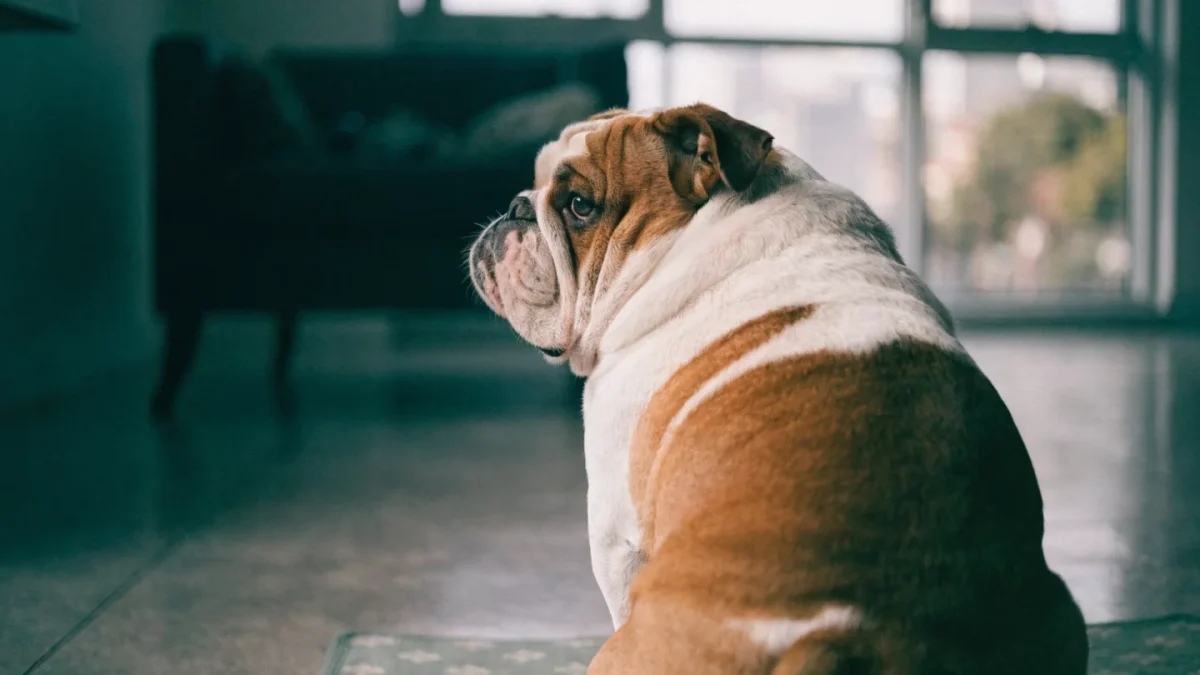
Brachycephalic dogs — Bulldogs, French Bulldogs, Pugs, Boston Terriers, Shih Tzu, and others with shortened facial structure — aren't harder to train intellectually. They're physically constrained in ways that require specific training adaptations.
Understanding the constraint changes how you approach sessions. Ignoring it leads to frustrated dogs, overheated dogs, and owners who conclude their dog "doesn't want to learn" when the dog actually just couldn't breathe well enough to focus.
What Brachycephalic Means
"Brachycephalic" refers to the shortened facial structure common to these breeds. The skull shape compresses the soft tissues of the airway — soft palate, nostrils, and throat — creating restricted breathing even at rest.
This has real training implications:
Heat regulation: Dogs cool themselves primarily by panting. Brachycephalic dogs pant less efficiently, which means they overheat faster and with less activity than other dogs.
Exercise endurance: Less available airway means less oxygen per breath. Sustained activity tires these dogs faster.
Stress response: When stressed, dogs increase respiratory rate. In brachycephalic dogs, a stressed session can quickly become a dog that's laboring to breathe.
Snorting and noisy breathing: These dogs snort, grunt, and breathe audibly. This is normal for the breed structure — it's not a sign of distress unless combined with extended neck, pale gums, or labored effort. Know your dog's baseline sounds.
Session Length and Environment
3-5 minutes per training session is a reasonable maximum for most brachycephalic dogs, especially in warm conditions. Some experienced adult dogs can go 8-10 minutes if the environment is cool and the activity is low-intensity.
Signs to stop immediately:
- Continuous snorting/gagging
- Labored breathing that doesn't settle between reps
- Lethargy or glazed expression
- Excessive drooling beyond normal
- Pale or blue-tinged gums (emergency — this is oxygen deprivation)
Train in air conditioning or early morning / evening cool when working outdoors. Avoid midday sessions in warm weather entirely.
Treat Selection
Soft, small, and easy to swallow without chewing. These dogs often have crowded dental structures that make hard treats awkward to chew quickly. A dog spending ten seconds trying to chew a treat has lost the training rhythm.
Soft treats also reduce the snorting/coughing that sometimes happens when these dogs are inhaling crumbly treats while already breathing audibly.
The "Stubborn" Label
Brachycephalic dogs, especially Bulldogs and Pugs, get labeled as stubborn frequently. Some stubbornness is genuine — many of these breeds were developed as relatively independent companions, not working dogs eager to take direction.
But a lot of what looks like stubbornness is a dog that's physically uncomfortable, not enjoying the training session, or simply can't maintain focus because of airway effort. When your dog seems stubborn, the first question is whether the session length, temperature, and physical demands are appropriate for the breed.
A Pug that won't repeat a behavior after three attempts in a warm room may not be refusing — they may be experiencing respiratory fatigue.
What Works Well
These breeds often respond to:
- Slow, calm, deliberate training pace
- High-value rewards that don't require chewing
- Short repetitions with genuine rests between them
- Training as part of feeding routine (mealtime = training time with kibble)
- Games that don't require sustained physical activity: targeting, nose touch, object naming
Many brachycephalic dogs are quite intelligent and learn new behaviors faster than their calm exterior suggests. The cognitive capacity is there — the airway constraint just requires adapting when and how long you work.
Health Notes
Brachycephalic Obstructive Airway Syndrome (BOAS) exists on a spectrum. Some dogs have minor restrictions; others have severe anatomical issues that significantly affect quality of life. If your dog struggles to breathe during light activity, consult a veterinarian — surgical interventions exist that improve airway function.
Better breathing = better training. Some owners report their dog became significantly more engaged in training after a corrective procedure opened up the airway. That's not a training issue — that was always a health issue.
Appropriate training session length adapts to the individual dog. For brachycephalic breeds, that adaptation is just more medically mandated than for other breeds.