
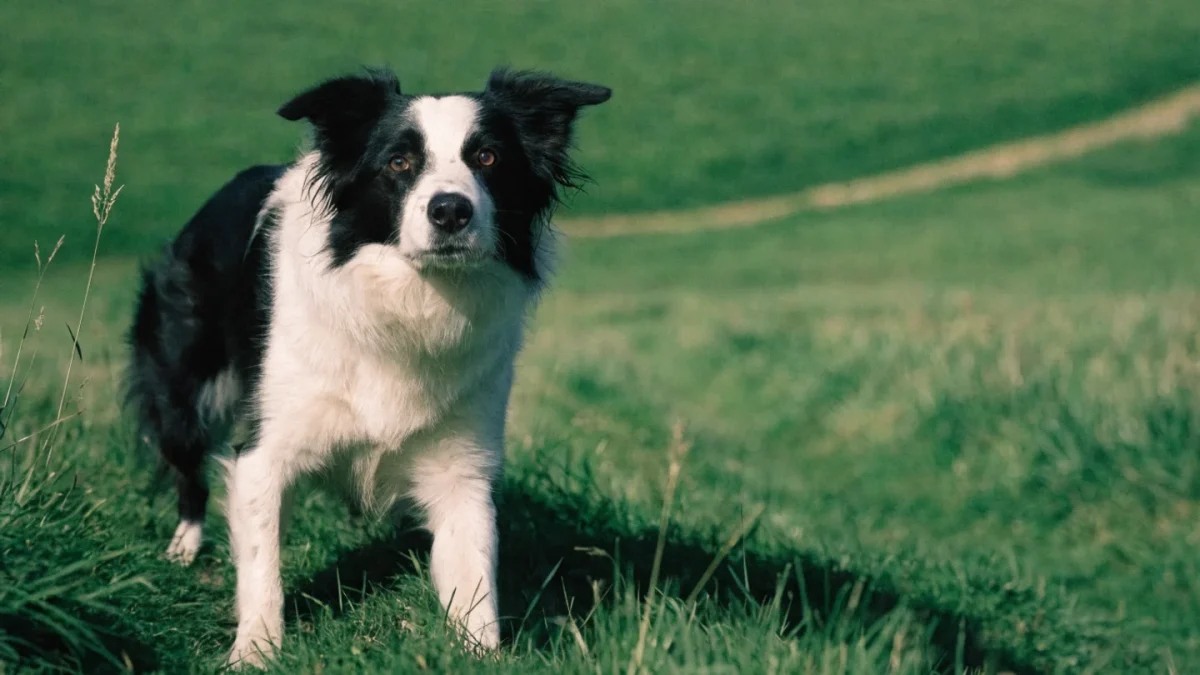
I had a client once with a two-year-old Border Collie mix she'd adopted without researching the breed. By the time she got to me, the dog had reorganized all their household routines. She would stare at the other dog until he moved. She would circle the kids at dinner. She'd stopped the cat from entering any room she was in.
She wasn't being aggressive. She was herding. It's what she was built to do.
Understanding that distinction changed everything about how we trained.
What Herding Breeds Are
The herding group includes Border Collies, Australian Shepherds, Shetland Sheepdogs, Cattle Dogs, Welsh Corgis, Rough Collies, Belgian Malinois, and others. What they share:
- Extreme handler sensitivity: They read body language, tone shifts, and posture changes that other breeds ignore. This makes them exquisitely trainable and also means your frustration in a session is visible information they respond to.
- Movement fixation: Moving things are interesting. Highly interesting. Children running, cars passing, bikes, other dogs running — all can trigger the herding stare-and-approach sequence.
- Compulsive working drive: These breeds were designed to work for hours. An under-stimulated herding dog doesn't relax — they find their own work.
- High capacity for pattern learning: They generalize training faster and more completely than many other breeds.
The Core Training Advantage
Herding breeds are among the most trainable dogs alive. Their handler sensitivity means they respond to subtle cues. Their pattern-learning ability means complex behavior chains come relatively quickly. Their drive means they have energy to bring to training sessions.
Use this. Short, fast, varied sessions that require attention and problem-solving are ideal. Mix behaviors rapidly — sit, down, spin, touch, recall. Keep them thinking. Boredom in a herding dog session leads to offering random behaviors, zoning out, or redirecting to something else.
Their eye contact and focus can become a tremendous asset. A Border Collie that's learned that focus on you is the most rewarding thing in the environment is a dog that will work in nearly any context.
The Core Training Challenges
Herding nipping: The instinct to control movement by gripping heels. Seen as ankle nipping at children, heel biting during play, circling and nipping other dogs. Managing herding nipping requires management (no free access to children running), redirection (an alternative behavior to offer), and often working with a specialist. Never allow it — it can escalate.
Obsessive behaviors: Some herding dogs develop compulsive behaviors around lights, shadows, balls, or specific objects if their working drive has nowhere healthy to go. These can be difficult to extinguish once established. Prevention through appropriate enrichment and sport is critical.
Arousal management: At high arousal, herding dogs can become fixated — staring, circling, unable to disengage. This state is incompatible with training. Learn to read the dog's arousal level and train below the threshold where fixation takes over.
Sensitivity to training mistakes: Because they're reading you constantly, herding breeds notice inconsistency, timing errors, and tone shifts more than most breeds. They're unforgiving training subjects — in the sense that they require precision, not that they punish you for errors.
What They Need
Physical work: Not just running. Sustained cardiovascular exercise — an hour-plus of active movement daily for high-drive dogs. Running, hiking, bike rides, fetch marathons. Exercise requirements for herding dogs are genuinely higher than most breeds.
Mental work: Sports (agility, herding, treibball, disc dog), training sessions with complexity, nose work, trick training. The brain needs as much work as the body.
A job: Give the dog something to be responsible for. A specific routine, a task, something with structure and predictability. Herding breeds thrive with purpose.
On Malinois Specifically
Belgian Malinois deserve a separate note because they're currently popular and dramatically under-served by the average pet home. Malinois are working dogs at the high end of the working-drive spectrum — purpose-bred for protection sports and police work. They have extreme drive, extreme handler sensitivity, and extreme needs.
A pet Malinois without sport, work, and an experienced handler is a recipe for behavioral problems. If you have one: find a club, find a trainer experienced with the breed, and get serious about enrichment. They reward it fully when the needs are met.
Starting Points for New Herding Breed Owners
- Manage herding behaviors toward children and other pets from day one — don't allow it to practice
- Start an enrichment and sport program early — before problematic behaviors have developed
- Keep training sessions short (5-10 minutes) but varied and precise
- Use the breed's handler sensitivity as an asset — they're watching you constantly, which means your reinforcement timing has outsized impact
- Accept that "tired enough to be calm" requires more than most owners expect
These are not beginner breeds, but they're extraordinary when their needs are met.