

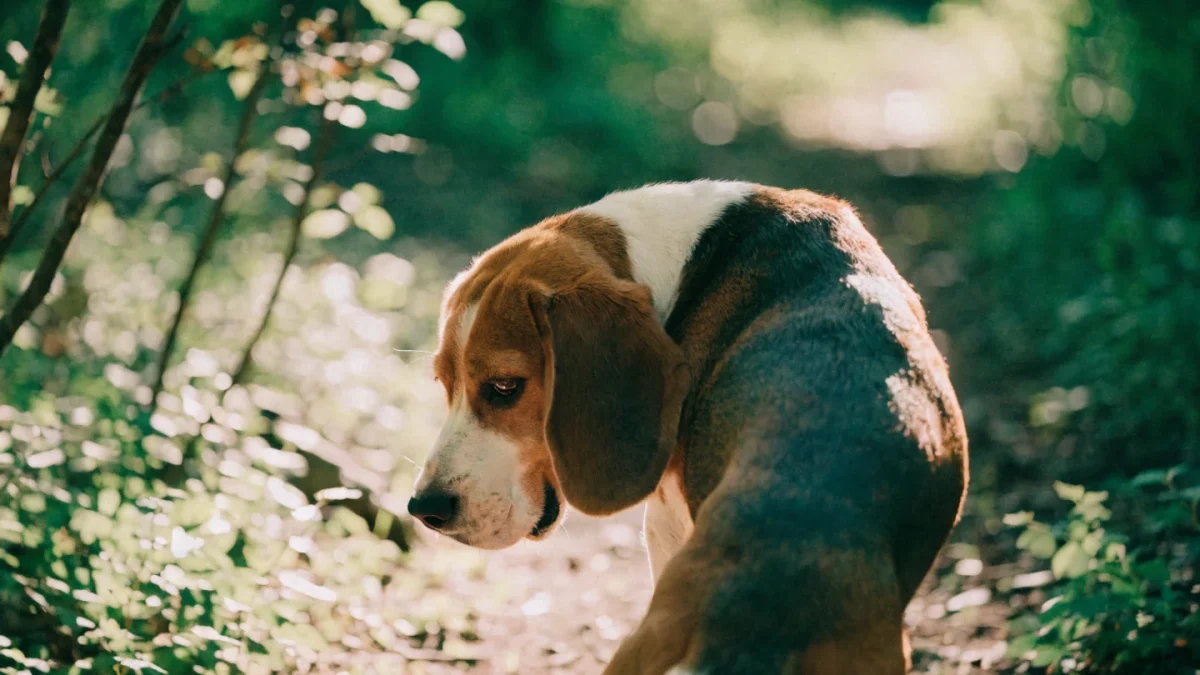
The first thing you need to accept about training a scent hound is that their world is primarily nasal, not visual or auditory. When you call a Beagle and they don't look up from the ground, it's not rudeness. Their nose has picked up something 400 times more scent information than you can detect, and that information is genuinely more interesting than your voice.
Working with that reality — not against it — is what successful hound training looks like.
The Hound Group
Scent hounds include Beagles, Basset Hounds, Bloodhounds, Coonhounds, Foxhounds, Dachshunds (earth-hunters, but scent-driven), Harriers, and others. What they share:
- Extraordinarily sensitive noses — designed to track quarry by scent
- Baying/howling: Vocal communication was part of their function — alerting handlers to quarry location
- Strong following instinct: Once on a scent, they follow it persistently, often losing awareness of handler and environment
- Pack-oriented background: Many scent hounds were developed to work in packs, which means they can be highly social but also oriented toward their canine companions more than their human handler
- Independent of human direction while tracking: The handler's role was to follow the dog, not direct it
What This Means for Training
Recall in open areas is genuinely high-risk for most scent hounds. A Beagle on a scent trail in an unfenced area has, for practical purposes, lost access to higher executive function. The scent drive overrides everything.
This isn't a training failure. It's a biological reality. Building reliable recall for hound breeds requires much more investment than other breeds, and many experienced trainers are honest that "reliable off-leash recall in open areas" isn't achievable for some individuals.
Long-line training (20-30 feet), high-value food, recall games that start in zero-distraction environments and build slowly are the foundation. Recall training for hound breeds goes into the specific protocols.
Training sessions compete with environmental scent. A Beagle on a city sidewalk is processing a constant stream of nasal information that's genuinely more compelling than your treat pouch. This means:
- Work in lower-scent environments when possible for new behaviors
- Use food with exceptional smell (real meat, fish, liver) to compete
- Keep sessions short — sustained focus is harder for these dogs than for handler-focused breeds
What drives a hound is different. Many scent hounds aren't toy-motivated and have moderate food drive — until the food is something genuinely special. Finding the right reward matters more with hounds than with most breeds.
Channel the Instinct
Nose work is, predictably, a natural fit for scent hounds. They often excel dramatically — finding hides quickly, searching systematically, and sustaining effort far longer than in any other training context.
This matters for training rapport. A Beagle that finds nose work sessions genuinely satisfying will be more engaged with you in other training contexts because the overall training-with-human experience is positive. Building reliable recall relies on that positive training relationship.
Tracking is another direct outlet. Some formal tracking sports follow scent trails laid by a person walking — a humanized version of the hound's natural job. This gives the dog a legal, rewarded context for following scent trails.
Practical Daily Training Tips
Keep them on leash or in a securely fenced area for off-leash time. Non-negotiable for most scent hounds.
Use their nose in training: hide treats in training environments before sessions. A Beagle that has found three treats on the training field through sniffing is already engaged with the environment in a rewarding way before formal work begins.
Accept longer warm-up periods. Scent hounds often need more time before settling into focused work than visually-oriented breeds.
Work before meals when hunger adds food value. The differential between "kibble you get for free" and "kibble you work for" shrinks if the dog just ate. Train hungry.
The Baying Problem
Many scent hounds vocalize abundantly — howling when alone, baying on walks, announcing everything in the yard. This drive to vocalize was functional. In a domestic setting, it creates noise complaints and management challenges.
Managing it is possible (look for management, desensitization to triggers, exercise and enrichment to reduce tension that fuels it) but eliminating it entirely is generally unrealistic for breeds with strong vocal drive. Set realistic expectations for neighbors and living situations.
What Hound Owners Actually Love
Here's the other side: hounds are often exceptional companions. They're usually even-tempered, not prone to reactivity, socially oriented, and genuinely joyful on walks. They bring a cheerful, single-minded enthusiasm to life that's hard not to love.
The dog that vanishes into a scent trail is the same dog that settles contentedly on the couch for hours. They're not high-maintenance in the way a herding breed is high-maintenance. They just need understanding.