

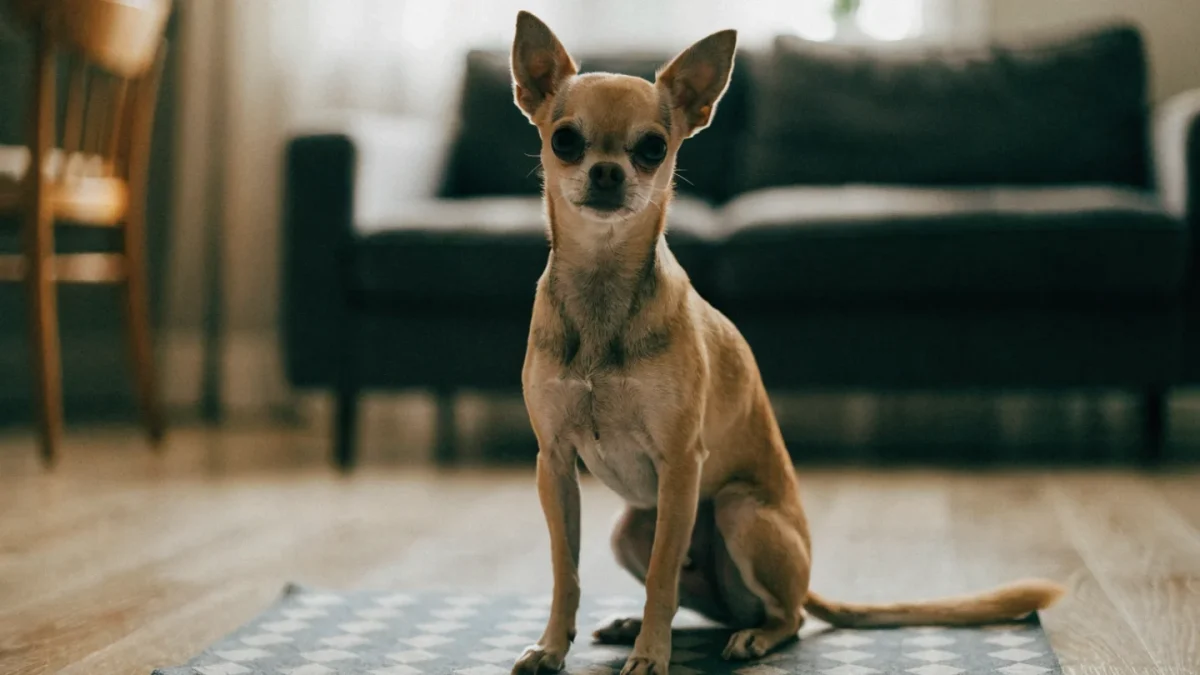
I see more behavioral problems in small dogs than in large ones. Not because small dogs are worse — they're not. Because their owners train them differently.
A Chihuahua that growls when picked up gets put down and apologized to. A German Shepherd that growls when handled gets training. A Pomeranian that barks at guests is called "protective." A Labrador doing the same thing goes to obedience school. These inconsistencies accumulate into dogs that have learned that certain behaviors work, and that small size comes with different rules.
The size difference is real. The behavioral standards shouldn't be.
What Toy Breeds Actually Are
Toy breeds include Chihuahuas, Pomeranians, Yorkshire Terriers, Maltese, Shih Tzu, Pugs, Papillons, Italian Greyhounds, Miniature Pinschers, Cavalier King Charles Spaniels, and others. Most under 12 pounds, some under 5.
They were bred as companions primarily, though many have terrier or sporting heritage in their background. They're often:
- Alert and reactive — bred as watchdogs, not lapdogs that sleep through everything
- Strong-willed — toy versions of independent breeds carry that independence in compact form
- Bond-oriented — often deeply attached to specific people
- Physically fragile in some respects — joints, bones, and airways more susceptible to injury
The Training Consistency Problem
The most common mistake with toy breeds is allowing behaviors that would never be tolerated in a large dog. When a 6-pound Yorkie jumps up, most people laugh. Stopping jumping up is treated as optional for small dogs. When a Chihuahua snaps, owners often say "he's just scared" and accommodate. When a Pomeranian refuses to come back inside, they're carried in instead of trained.
Each accommodation teaches the dog something: that the behavior works, that size is a valid defense against consequences, and that the owner doesn't have consistent expectations.
The behavioral result is often what people call "small dog syndrome" — an umbrella term for the collection of demanding, pushy, reactive, and often anxious behaviors that develop in dogs that have been treated as fragile exceptions rather than as dogs with consistent needs.
Practical Adjustments for Small Dogs
Consistency in expectations doesn't mean identical physical training. Some real differences matter:
Training surfaces and positioning: Small dogs train differently because their eye line is very low. Kneeling, sitting, or using a table for training brings you closer to their level without requiring them to constantly crane upward. Some trainers use a non-slip platform to bring small dogs up to working height.
Treat size: Training treats should be proportionally smaller for toy breeds. Even pea-sized treats are meaningful calories for a 5-pound dog. Consider working with crumbles, tiny soft pieces, or very small hard treats.
Physical limits: Avoid high-impact exercise, jumping onto furniture repeatedly, or activities with fall risk for very small dogs. Joint and ligament injuries (luxating patella is common in many toy breeds) are real risks from repetitive impact.
Weather sensitivity: Small dogs have less thermal mass. Training in very cold or very hot conditions affects them faster than large dogs.
Leash pressure: A tiny dog's trachea is vulnerable. Any leash attached to a collar near the throat should never be used to drag or correct a toy breed. Harnesses reduce tracheal pressure. Leash training fundamentals apply here — you're never pulling against the throat.
What Good Toy Breed Training Looks Like
All the same elements that work with any dog: clear cues, consistent rewards, consistent consequences, regular short sessions, and behavioral expectations that don't flex based on the dog's size.
A Chihuahua should come when called. A Maltese should sit when asked. A Pomeranian should walk nicely on leash. These aren't unreasonable standards — they're safety and quality-of-life requirements that every dog deserves to have met.
Stopping jumping up from the beginning and maintaining consistent leash manners will do more for toy breed behavior than anything else. Start both in puppyhood before size makes you complacent.
The big personality in a small body is genuinely delightful. The behavioral problems that come from under-training are not.