

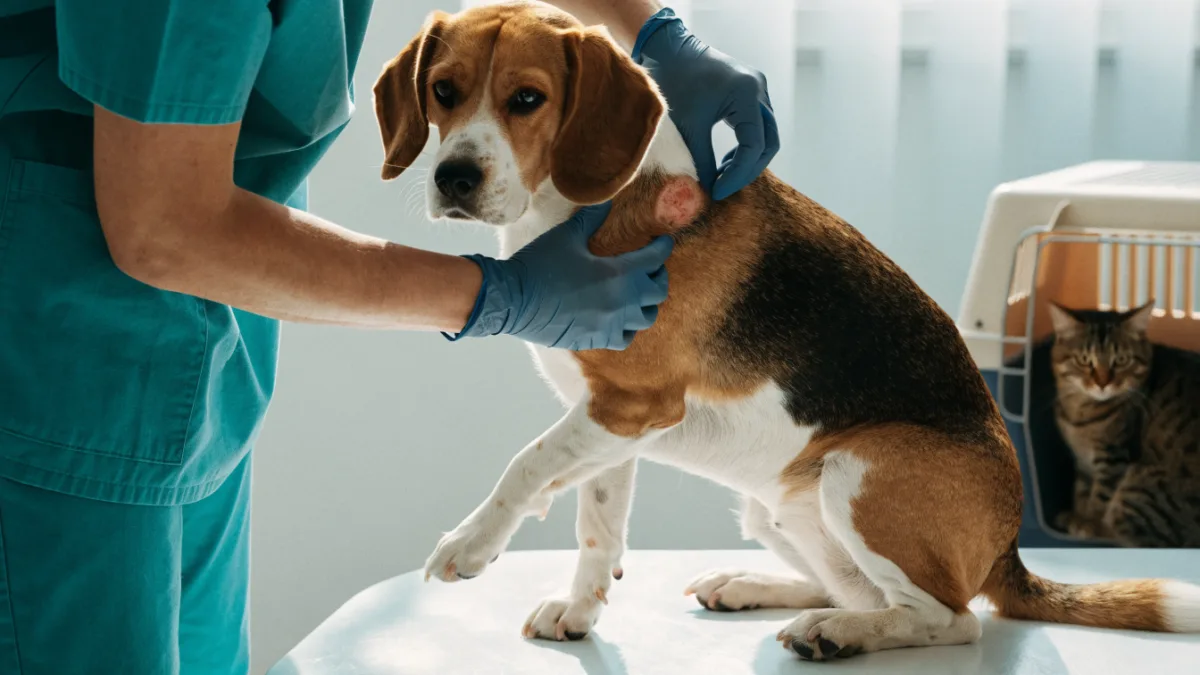
Imagine this: your dog, usually a bundle of boundless energy, is suddenly glued to one spot on his hip. He’s licking, biting, and scratching with a frantic intensity that makes your skin crawl just watching him. You part the fur, expecting to find a stray tick or a minor scrape, but instead, you uncover a angry, weeping, red crater of skin that looks incredibly painful. In the span of just a few hours, a seemingly minor itch has transformed into a full-blown skin crisis.
What you are looking at is commonly known as a hot spot. medically referred to as pyotraumatic dermatitis, these localized skin infections are a notorious, incredibly uncomfortable reality for many pets and their owners. They are not just a minor annoyance; they are a distress signal, an indication that your pet’s skin has been pushed past its breaking point. Understanding what they are, why they happen, and how to stop them in their tracks is essential knowledge for any dedicated pet parent.
The Anatomy of an Itch: What is a Hot Spot?
A hot spot is, in essence, a self-inflicted wound. The medical name, pyotraumatic dermatitis, provides a perfect clinical description of the problem. “Pyo” means pus, “traumatic” refers to the self-inflicted nature of the wound, and “dermatitis” means inflammation of the skin. It is a vicious, painful cycle that can spiral out of control with astonishing speed.
The Vicious Cycle
It all begins with an itch or a discomfort. A flea bite, an allergic reaction, or even a small mat of tangled fur can create a localized irritation. In response, your pet does what any animal would do: they scratch, lick, or chew at the area to make it feel better. This self-trauma damages the protective outer layer of the skin.
Once the skin is broken, moisture from saliva and bacteria naturally present on the fur and skin are trapped against the raw tissue. This creates a warm, wet, and inflamed environment—hence the name “hot spot”—that is a perfect breeding ground for bacteria, typically Staphylococcus species. As the bacteria multiply, the area becomes itchier and more painful, which only makes your pet scratch, lick, and bite more aggressively.
The Visual Hallmarks of a Hot Spot
Identifying a hot spot is usually straightforward once you know what you’re looking for. They have a distinct appearance that changes as they develop and heal:
- Fresh or Active Hot Spots: These are the most shocking to discover. They look weepy, wet, and bright red. They are often surrounded by a ring of matted, wet fur and may even ooze a little blood or pus. To the touch, they are warm and can look like a large, damp scab.
- Healing Hot Spots: As you successfully treat the wound and the inflammation subsides, the hot spot will begin to dry out. It will become less red, the oozing will stop, and a dry, crusty scab will form. This scab will eventually fall off, revealing new, healthy skin underneath.
While they can appear anywhere, hot spots on dogs are most commonly found on the head, neck, hips, and limbs. In cats, they are less frequent but can occur, often manifesting as areas of intense over-grooming that result in hair loss and raw skin, particularly around the neck or base of the tail.
The Usual Suspects: What Causes the Initial Itch?
Treating the hot spot itself is only half the battle. To truly solve the problem and prevent future flare-ups, you have to play detective and find the underlying cause that initiated the itch-scratch cycle in the first place.
Flea Allergy Dermatitis
This is public enemy number one. Even a single flea bite can cause a massive, full-body allergic reaction in sensitive pets. The intense itchiness is not from the bite itself, but from an allergy to the flea’s saliva. The pet will scratch relentlessly, often creating hot spots around their rump, tail base, and thighs.
Allergies (Atopic Dermatitis)
Just like people, pets can be allergic to pollen, grasses, mold spores, and dust mites. These environmental allergens, or atopic dermatitis, cause widespread itchiness. Pets will lick their paws, rub their faces, and scratch their sides, creating multiple opportunities for hot spots to form. Food allergies can also be a trigger, though they often present with chronic ear or skin infections.
The Greenhouse Effect: Trapped Moisture
This is a critical, and often overlooked, factor, especially for our canine companions. Dogs with thick undercoats, like Golden Retrievers, German Shepherds, and Huskies, are particularly susceptible. When these dogs swim, get caught in the rain, or even just receive a bath, their dense fur can trap moisture against the skin. This dark, damp environment irritates the skin, causing a mild itch that the dog then licks, creating the perfect storm for a hot spot. Seasonal spikes in hot spot cases during humid summer months are a testament to this effect.
Other Potential Triggers
- Ear Infections: Pain and itchiness from an ear infection will cause a pet to scratch at their ear and the side of their head, leading to hot spots on the cheek or neck.
- Pain or Anxiety: Sometimes, the licking is not driven by an itch but by pain (like arthritis in a joint) or anxiety. The pet focuses on a specific area to self-soothe, and over time, this can create a lesion that looks and acts just like a hot spot.
- Matted Fur: A tangle of fur can pull directly on the skin, causing constant irritation that prompts the pet to chew at the area to relieve the pressure.
First Aid and Treatment: Healing the Wound
When you find a hot spot, your primary goal is to break the itch-scratch cycle, clean the wound, and allow it to heal. Here is a step-by-step guide to at-home first aid.
The single most important step in treating a hot spot is to physically prevent your pet from reaching it. As long as they can continue to lick and chew, the wound will not heal.
Step 1: The Cone of Shame (and Other Barriers)
Before you do anything else, you must stop the self-trauma. This almost always means using an Elizabethan collar, affectionately known as the “cone of shame.” Yes, your pet may hate it, but it is non-negotiable. Alternatively, you can use an inflatable collar, a recovery suit, or a t-shirt, depending on the hot spot’s location. The key is to block access completely.
Step 2: Gently Clean and Prepare the Area
Once your pet is protected from themselves, you need to clean the wound. If the fur around the hot spot is matted or long, it’s best to carefully clip it away. This allows air to reach the sore and helps it dry out, which is essential for healing. Be extremely gentle, as the area is very raw and tender.
Step 3: Wash with a Mild Cleaner
Wash the area gently with a mild, pet-safe cleanser. Good options include:
- Chlorhexidine: This is a go-to, pet-safe, antibacterial solution available from most vets and pet stores. A 2% chlorhexidine solution is very effective at cleaning the surface bacteria.
- Mild Soaps: In a pinch, you can use very mild, unscented soaps like Dove, Aveenobar, Cetaphil, or a gentle Castile soap. Avoid anything with harsh chemicals, perfumes, or dyes, as these will sting and further irritate the raw skin.
Rinse the area thoroughly with lukewarm water and pat it dry with a clean towel. Do not rub, as this will be painful. A cool, wet tea bag (black tea) can also be applied as a gentle compress, as the tannins can help soothe inflammation.
When to Call the Vet: Treating the Root Cause
Home care is effective for small, newly-formed hot spots, but veterinary intervention is often necessary for larger, deeper, or chronic cases. More importantly, your veterinarian is the only one who can help you solve the mystery of the underlying cause.
Signs You Need Professional Help
- The hot spot is large, deep, or extremely painful.
- The hot spot is oozing pus or has a foul odor, signs of a more serious bacterial infection.
- Your pet seems lethargic, depressed, or is running a fever.
- The hot spot does not begin to improve after a couple of days of diligent at-home care.
- The hot spots keep coming back.
Professional Veterinary Treatment
Your vet may prescribe a combination of treatments to tackle the problem from all sides. This often includes:
- Anti-inflammatory Medication: A short course of steroids or other anti-inflammatories can be a game-changer. By quickly reducing the intense itchiness and swelling, they help break the itch-scratch cycle and provide your pet with much-needed relief.
- Antibiotics: For hot spots with a deep-seated bacterial infection, topical or oral antibiotics may be necessary to clear the infection.
- Pain Medication: Hot spots are painful, and your vet may prescribe pain relief to keep your pet comfortable during the healing process.
- Diagnostic Plan: Your vet will also help you investigate the root cause. This could mean starting a rigorous flea control program, discussing a hypoallergenic diet trial, or exploring allergy testing and immunotherapy for atopic dermatitis.
Ultimately, treating a hot spot is a two-front war: you must heal the painful symptom on the skin while diligently investigating and managing the underlying cause. By being a vigilant and proactive pet owner, you can not only soothe your companion’s immediate suffering but also create a long-term plan for healthier skin and a happier, itch-free life. This attentive approach to your pet’s well-being is the very heart of responsible and compassionate animal care.