

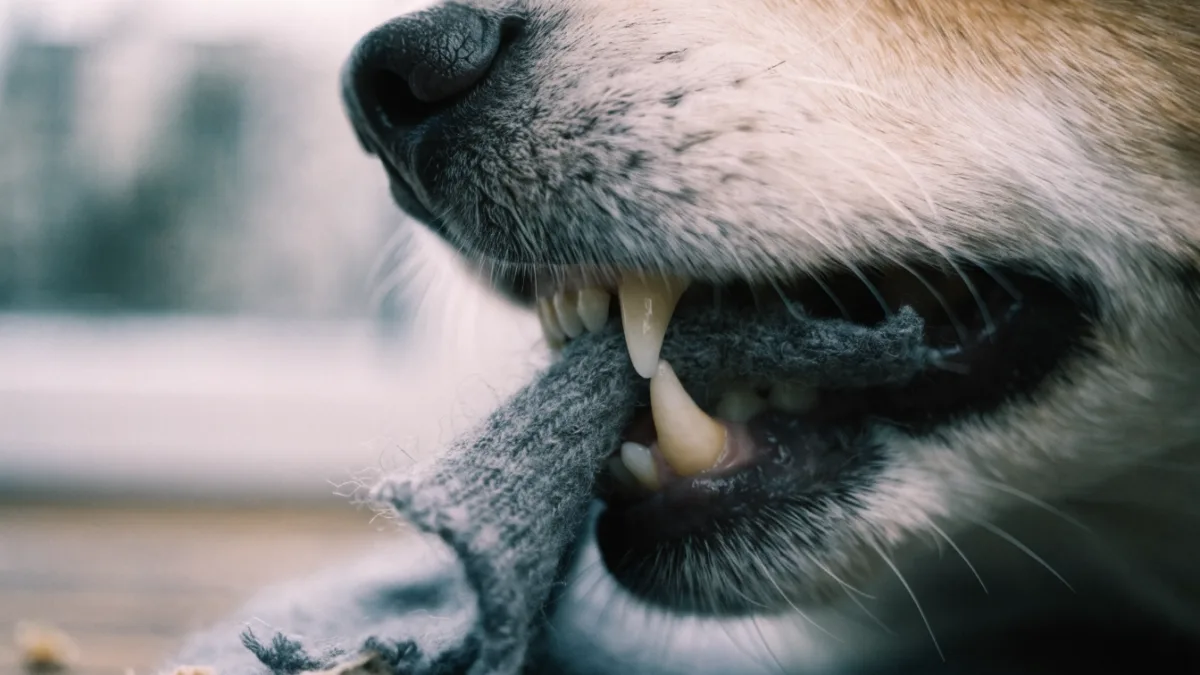
Just last Tuesday, a frantic client named Sarah rushed into my clinic holding a shoebox. Inside was a half-chewed sock and her 18-month-old Golden Retriever, Barnaby. Barnamy was wagging his tail, looking perfectly pleased with himself, but Sarah was in tears. “I turned my back for two seconds,” she kept repeating. “Why does he do this? He knows it’s not food!”
In the veterinary world, we have a name for this: pica. It’s a condition characterized by the persistent eating of non-nutritive, non-food items. Whether you share your home with a sock-stealing dog or a rubber-band-obsessed cat, pica is one of the most common—and potentially dangerous—behavioral and medical issues we see. It’s easy to dismiss it as a quirky habit, but the danger truly lies in the details of what they swallow.
Medical Mystery or Behavioral Quirk?
One of the biggest misconceptions I hear from pet parents is that eating dirt or rocks means their pet is lacking a specific nutrient. I used to think there might be more truth to this early in my career, but after years of running blood panels and fecal exams on rock-chewers, I’ve changed my mind. While nutritional deficiencies can happen, they are exceedingly rare in pets eating commercially prepared, balanced diets. The vast majority of pica cases stem from behavioral issues rather than a dietary shortfall. However, we always have to rule out the physical before treating the mental.
The Physical Causes
Sometimes, the urge to eat non-food items is a symptom of an underlying medical condition. We have to consider:
- Gastrointestinal (GI) disorders: Conditions like inflammatory bowel disease (IBD) or stomach parasites can cause nausea or discomfort, which pets sometimes try to soothe by chewing on grass, dirt, or foreign objects.
- Metabolic diseases: Illnesses like diabetes or thyroid imbalances can increase hunger levels to the point of desperation.
- Dietary deficiencies: If a pet is on a severely unbalanced homemade diet, they might instinctively seek out missing minerals, though this is rare.
The Behavioral Drivers
If the bloodwork comes back clean, we look at behavior. This is where the conversation gets interesting. Pets, much like humans, use actions to process their environment.
- Boredom and Frustration: A dog left alone in a yard with nothing to do will often turn to chewing rocks or digging. It’s an activity.
- Anxiety and Stress: Changes in routine, loud noises, or separation anxiety can trigger compulsive chewing as a coping mechanism.
- Compulsive Disorders: Yes, pets can suffer from conditions similar to human Obsessive-Compulsive Disorder (OCD). Canine Compulsive Disorder (CCD) is a recognized psychiatric condition where a dog feels an overwhelming, almost uncontrollable urge to perform a repetitive behavior—like eating fabric.
Interestingly, we saw a massive spike in these behavioral issues during the pandemic lockdowns. Pets got used to us being home 24/7. When we suddenly returned to the office, the resulting separation anxiety manifested in destructive ways, including a noticeable uptick in emergency surgeries for foreign body removals.
The Usual Suspects: What’s Going Down the Hatch?
Dogs and cats tend to have very different preferences when it comes to their illicit snacks.
Dogs are often opportunistic scavengers. They are frequently brought into the clinic having ingested rocks, stones, socks, shoes, and plastic toys. Certain breeds, like Labrador Retrievers, are infamous for this. There’s an ongoing debate in veterinary circles about whether Labs are genetically predisposed to pica or if they are simply highly food-motivated and orally fixated by nature. A fascinating genetic study actually identified a deletion in the POMC gene in some Labs, which is associated with heightened food motivation. So, for some dogs, it really is in their DNA!
Cats, on the other hand, are notorious for a condition called ” Wool Sucking” or fabric pica. Oriental breeds like Siamese and Burmese seem particularly prone to this, suggesting a strong hereditary component. But the most dangerous items cats target are linear foreign bodies. I’m talking about string, yarn, dental floss, thread, and rubber bands.
If you ever see a piece of string hanging out of your cat’s rear end or from their mouth, do not, under any circumstances, pull it. It can act like a saw, slicing through their intestines. Call your vet immediately.
When Quirks Become Emergencies: The Blockage Risk
The primary danger of pica isn’t toxicity, though that’s a concern with certain plants or chemicals. The real threat is the physical damage the objects do inside the body. The most critical danger is an intestinal blockage or perforation.
When a pet swallows a sock or a rock, it travels down the esophagus and into the stomach. Sometimes, if it’s small enough, it passes into the intestines. But the intestines are narrow, winding tubes. A sock can bunch up and create a dam, completely blocking the flow of food and liquid. The tissue ahead of the blockage continues to contract, trying to push things along, which causes immense pain. If the object is sharp, like a piece of plastic or a stick, it can puncture the intestinal wall, spilling bacteria into the abdomen. This causes peritonitis, a life-threatening infection that requires immediate surgery.
Gastrointestinal foreign body removal is consistently ranked as one of the most common emergency surgeries performed on dogs and cats. Recognizing the warning signs of a blockage can literally save your pet’s life. If you suspect your pet ate something they shouldn’t have, watch for these symptoms:
- Vomiting: Often the first sign, especially if they can’t keep water down.
- Diarrhea (or straining to defecate): If the intestine is blocked, nothing is coming out the back end.
- Loss of appetite: A pet that suddenly refuses their favorite treat is in pain.
- Lethargy: Excessive sleeping or reluctance to move.
- Abdominal pain: They may walk with a hunched back, cry when picked up, or resist having their belly touched.
The golden rule here is urgency. If you catch your dog swallowing a sock, don’t wait for symptoms to appear. Often, we can induce vomiting safely in the clinic or use an endoscope—a small camera—to retrieve the item from the stomach before it moves into the intestines. This non-invasive technique has become much more accessible in emergency clinics and saves pets from going under the scalpel. If you wait until they are vomiting and lethargic, you are likely looking at major abdominal surgery.
Treatment and Prevention: Keeping Them Safe
Managing pica requires a two-pronged approach: strict management of the environment and addressing the underlying behavioral drive.
1. Pet-Proof Your Home
This is non-negotiable. If your dog eats socks, there cannot be a single sock left on the floor. Ever. If your cat eats hair ties, they must be stored in a drawer or a sealed container. Treat your pet like a toddler who doesn’t know better. Use baby gates to block access to areas where they might find tempting items. Keep laundry hampers closed and secure trash cans with heavy lids.
2. Provide Safe Alternatives
If your pet has an oral fixation, redirect it. For dogs, look for durable chew toys that are appropriate for their jaw strength. Avoid cooked bones, rawhides that splinter, or toys small enough to swallow. The goal is to give them something safe to satisfy that urge. For cats, offer safe chew toys, cat grass (which is safe and can satisfy the urge to chew vegetation), and puzzle feeders.
3. Ramp Up Mental and Physical Stimulation
A tired pet is a good pet. Increase physical exercise—longer walks, fetch sessions, or flirt-pole play for cats. More importantly, increase mental exercise. Use food puzzle toys, teach new tricks, or practice nosework. When I started recommending 15 minutes of sniffing games for Barnaby, the Golden Retriever, his sock-eating habit dropped by 90%. Mental fatigue is just as powerful as physical fatigue.
4. Don’t Dismiss Home Remedies, But…
I frequently have owners ask me about adding bitter apple spray to items, or putting meat tenderizer on their pet’s food (a home remedy thought to stop stool-eating). I never dismiss the impulse to try these; some pets detest bitter sprays and will leave the sprayed object alone. However, they aren’t a cure. They are a temporary band-aid that doesn’t address the root cause of the behavior.
5. Consider Professional Behavioral Help
If the pica is severe, the animal may have a genuine compulsive disorder. This is where modern veterinary medicine has made incredible strides. We no longer view these pets as just being “bad.” There is a growing awareness and destigmatization of mental health in animals. Veterinary behaviorists can work with you on behavior modification plans. In some cases, they may prescribe psychotropic medications—like fluoxetine (Prozac) or clomipramine—to help take the edge off the anxiety or compulsion, making behavioral training much more effective. Always consult your vet before starting any medication regimen.
Pica is more than just a frustrating habit; it’s a complex condition that requires patience, vigilance, and understanding. By treating the root cause—whether it’s boredom, anxiety, or a medical issue—we can protect our pets from themselves. Every pet deserves to live in a home where they feel safe, stimulated, and satisfied—no socks required.