

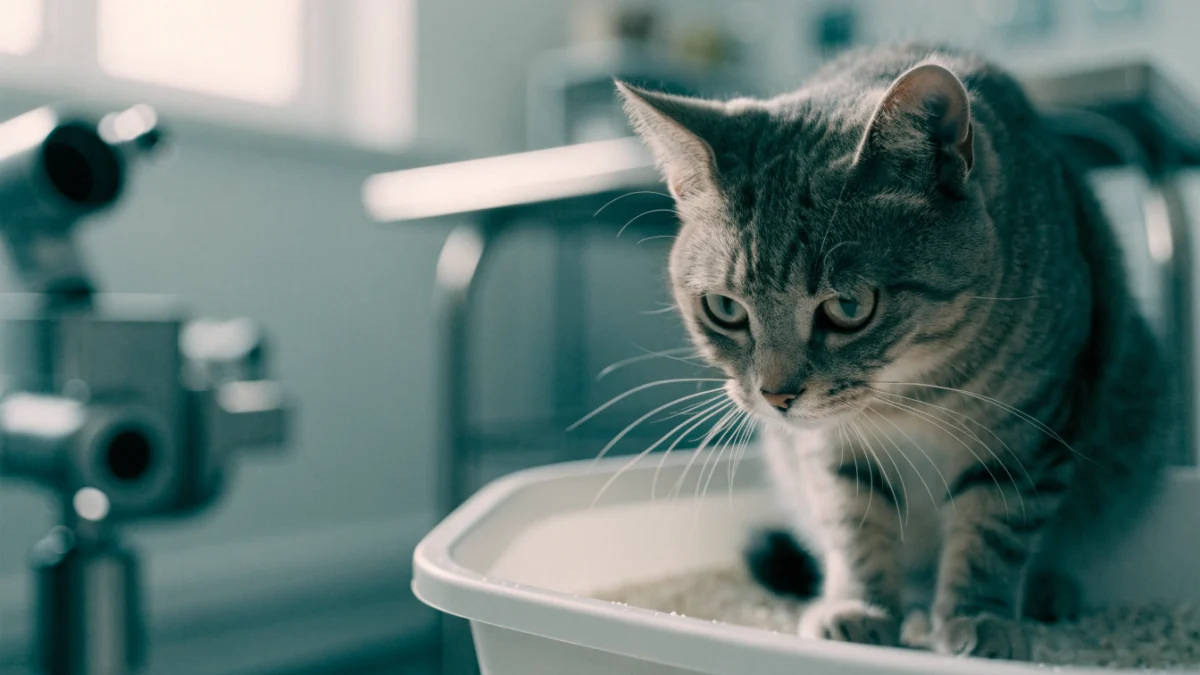
It was 2:00 AM when the frantic call came in. A panicked owner was on the line, explaining that her usually stoic four-year-old neutered male cat, Oliver, was pacing the litter box, yowling in pain, and producing nothing but a few drops of bloody urine. I had her bring him in immediately. Oliver was suffering from a blocked tom—a complete urinary obstruction—and we had mere hours to save his life.
Male cats are uniquely, almost tragically, designed for this specific emergency. Urinary crystals and stones are an incredibly common issue across our furry companions, but the way they affect our feline friends compared to their canine counterparts is a fascinating—and sometimes terrifying—study in anatomy.
The Anatomy of a Blockage: Why Male Cats Are Prone to Crystals
To understand why male cats are sitting ducks for urinary blockages, we have to look at their plumbing. A neutered male cat’s urethra—the tube that carries urine from the bladder out of the body—is long and incredibly narrow. Worse, it tapers down to a practically microscopic opening right at the tip of the penis.
When microscopic minerals in the urine bind together to form crystals—or worse, mix with mucus to form a plug—that narrow tube becomes the perfect bottleneck. A female cat’s urethra is shorter and wider, so those same crystals usually pass right through unnoticed. But in a male cat, a tiny plug acts like a cork in a bottle. Once the flow stops, the bladder continues to fill, and the pressure backs up into the kidneys. If a cat cannot pass urine, toxins build up rapidly. This leads to severe kidney damage, potential bladder rupture, and fatal heart arrhythmias within just 24 to 48 hours.
The Vocabulary of Bladder Trouble
Whether you have a cat or a dog, if crystals or stones are present, you’ll usually see similar clinical signs. In the exam room, I often describe them using specific medical terms that are helpful for pet parents to know:
- Pollakiuria: Frequent, often unproductive trips to the litter box or backyard. You’ll see your pet squatting over and over again.
- Haematuria: Blood in the urine. It can look bright red or dark and cloudy.
- Stranguria: Straining to urinate. This looks a bit like constipation, but your pet is actually trying to force urine past painful, jagged crystals.
How Dogs Differ in the Urinary Department
I often see dogs for similar urinary issues. Take Buster, a six-year-old Golden Retriever who came in licking himself incessantly and leaving bloody drops on the kitchen floor. We found a bladder full of struvite stones. But unlike Oliver, Buster wasn’t in immediate, life-threatening danger.
Why? Because dogs have a significantly wider and more rigid urethra. While dogs absolutely do get urinary crystals and bladder stones, complete, life-threatening blockages are much rarer in male dogs and almost entirely unheard of in female dogs. Their “plumbing” allows small stones to pass through more easily. The stones still cause severe discomfort, inflammation, and urinary tract infections, but they rarely result in the fatal bottleneck we see in male cats. You can read more about the comparative studies of,[1] in veterinary literature, or check out this comprehensive overview of [2] but the anatomical difference is the primary takeaway.
Diet, Hydration, and the Great pH Debate
So, where do these crystals come from? A lot of it comes down to what goes into the bowl.
Cats evolved from desert ancestors, meaning they naturally have a very low thirst drive. They were designed to get most of their hydration from the blood and tissues of their prey. When we feed them exclusively dry kibble—which contains only a fraction of the moisture found in a natural diet—and they don’t compensate by drinking extra water, their urine becomes highly concentrated. Concentrated urine is the perfect environment for minerals to bond and crystallize.
There is an ongoing debate regarding the role of dry kibble. While high-quality dry foods are formulated to manage urine pH, many feline specialists advocate strongly for a moisture-rich diet—like wet food—to physically flush out the bladder and prevent crystals from forming in the first place.
The Danger of Over-Acidification
I’ve definitely changed my mind on how we treat these crystals over the years. In the past, we heavily relied on diets designed to make a cat’s urine highly acidic. This made sense because the most common crystals, struvite, thrive in alkaline (higher pH) urine. However, we soon realized that overly acidic urine was actually causing a spike in calcium oxalate crystals, which form in acidic environments.
Now, modern veterinary nutrition aims for a carefully balanced pH rather than extreme acidity. Struvite crystals are often diet and pH-related, while calcium oxalate stones are tied more heavily to metabolism and genetics.
Recognizing the Emergency: What to Look For
Knowing the warning signs of a blockage can literally save your male cat’s life. If you notice any of the following, don’t wait for morning—call your emergency clinic immediately:
- Vocalizing or crying in the litter box
- Producing no urine, or only a few drops despite repeated attempts
- Excessive licking of the genital area
- Vomiting or extreme lethargy
- A hard, swollen, or painful abdomen
I should also mention that stress plays a massive role. Environmental stress is a leading cause of Feline Idiopathic Cystitis (FIC), an inflammatory bladder condition that can often precede or accompany crystal formation. A new pet in the home, a move, or even outdoor construction noise can trigger a stressful cascade that leads to a blocked cat.
Modern Solutions: From Diets to Surgery
The good news is that veterinary medicine has made massive strides. If your pet has crystals or stones, we have incredible tools to help. Recent advancements in prescription diets mean we now have therapeutic foods that don’t just prevent crystals, but are clinically proven to actively dissolve existing struvite stones in both cats and dogs within a few weeks. When looking for these, ask your vet for a diet specifically labeled for “struvite dissolution.”
For stones that can’t be dissolved through diet, surgical removal used to be the only option. Today, we’re seeing a shift toward less invasive techniques. Procedures like lithotripsy (using sound waves to break stones into passable sand) and minimally invasive cystoscopy (using tiny cameras and lasers to retrieve stones through the urethra) are becoming more common, drastically reducing recovery times.
A photo recently crossed my desk of a handsome fellow named,[3] a cat who had successfully recovered from a severe urinary blockage. Seeing his story reminded me of just how many cats face this issue, and how incredible our modern interventions are. For male cats who suffer from chronic, recurring blockages, there is a surgical solution called a Perineal Urethrostomy (PU). This procedure essentially removes the narrow, penile portion of the cat’s urethra and creates a wider opening, similar to a female cat’s anatomy. It allows any future crystals to pass freely. It’s a major surgery, but for chronic blockers, it gives them their life back.
A Word on Home Remedies
I completely understand the impulse to try natural remedies. I frequently have owners ask me about adding cranberry extract or apple cider vinegar to their pet’s water to “flush” the crystals out. While I appreciate the desire to heal holistically, cranberry extract is great for preventing bacteria from sticking to the bladder wall, but it won’t dissolve existing crystals. Furthermore, apple cider vinegar might artificially acidify the urine, inadvertently pushing a dog or cat into forming calcium oxalate stones. Always consult with your vet before adding any supplements, and never attempt to treat a suspected blockage at home.
The Bottom Line
Understanding the unique biology of our pets is the cornerstone of good guardianship. While domestic cats and dogs aren’t facing the same threats as endangered species in the wild, our responsibility to their health and well-being is just as vital. By recognizing how their bodies work—and how their evolution as desert hunters still impacts their hydration needs today—we can make informed, compassionate choices for their care. Prioritizing moisture in their diets, managing environmental stress, and reacting quickly in an emergency are the best ways to ensure your companion lives a long, comfortable, and unobstructed life.
Sources
- stones in cats and dogs — pmc.ncbi.nlm.nih.gov
- urine crystals and bladder stones in cats — petmd.com
- Leon — facebook.com