

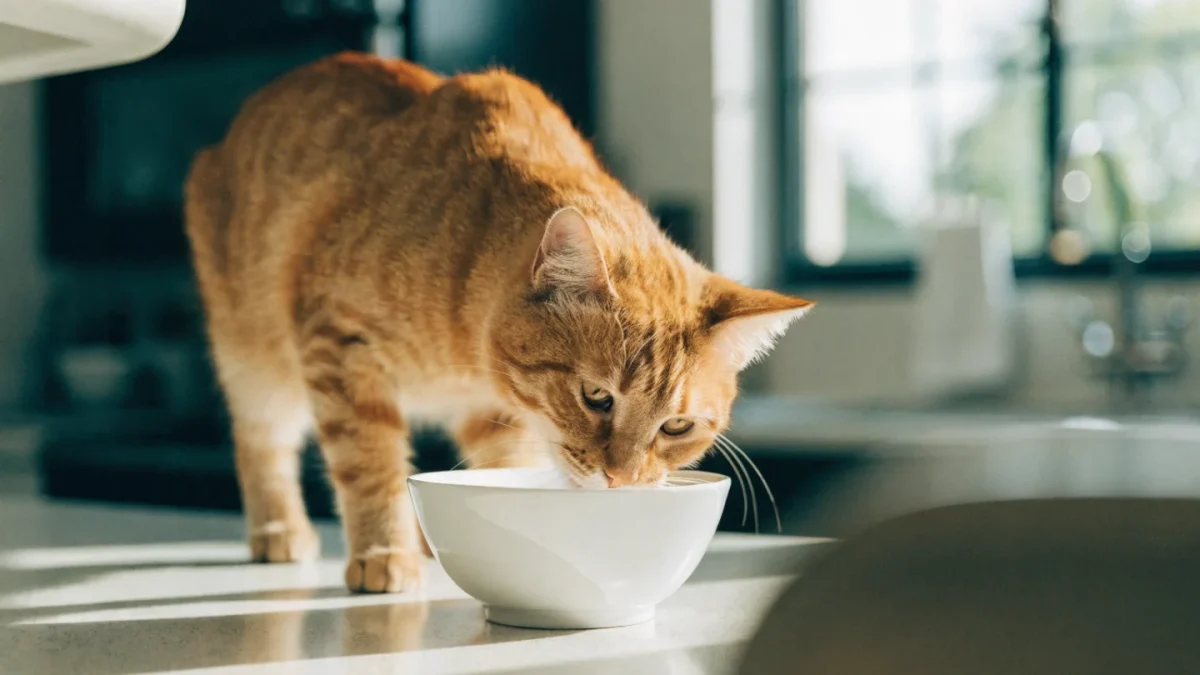
My own cat Biscuit, a four-year-old orange tabby who will eat literally anything, is the most vivid illustration I have of why feline nutrition requires active management. Left to his own devices — free-fed dry kibble, no portion control — Biscuit would be obese within a year. He has been on measured wet food twice daily since he was a kitten, and his bloodwork, weight, and coat reflect it. He hates this arrangement and would like me to reconsider.
What adult cat nutrition actually looks like when done well is what this article covers.
What Cats Actually Need (and Why It's Different from Dogs)
Cats are obligate carnivores. This isn't marketing language — it's a description of their metabolic reality. Cats cannot synthesize sufficient taurine, arachidonic acid, or niacin from plant precursors. They must eat animal tissue to get these nutrients. Their liver processes protein differently from dogs, continuing to break it down for energy even when dietary protein intake is low. And they evolved in arid environments, getting most of their water from prey — which means their thirst drive is weak and they can sustain significant dehydration without feeling thirsty.
What does this mean for feeding? A few practical things:
High protein is non-negotiable. AAFCO minimum for adult cats is 26% protein on a dry matter basis, but I'd argue that's a floor, not a target. Most cats do better on 35–45% protein from animal sources — the 2021 AAHA/AAFP Feline Life Stage Guidelines recommend a minimum of 30–45% dry matter protein for adult and senior cats as a more physiologically appropriate target than the AAFCO floor.
Taurine must be present. Complete and balanced cat foods must include it. If a food isn't labeled as meeting AAFCO (or equivalent) standards for adult cats, don't assume it has taurine at the right level.
Moisture matters. Cats eating only dry food get roughly 10% moisture from food. Cats eating canned or raw food get 70–78% moisture from food. The difference in daily water intake is substantial, and it has real consequences for urinary and kidney health over a lifetime.
Carbohydrates are not required. Cats have very limited ability to regulate blood glucose after carbohydrate-heavy meals. The relationship between dietary carbohydrates and feline diabetes is genuinely debated — a 2025 meta-analysis published in the Journal of Animal Science found that dietary carbohydrates did not significantly increase body fat, fasted insulin, or glucose in cats, though obesity itself remains a clear risk factor for feline diabetes. I still think cats have no biological need for starch; whether it actively causes harm in susceptible animals is an area where my view is that the jury is still out. Most commercial cat foods contain some carbohydrates — this isn't automatically a problem — but it's worth knowing that cats have no biological need for grain or starch in their diets.
Wet Food, Dry Food, or Both?
Honestly? I prefer wet food as the foundation of an adult cat's diet. Not because dry food is dangerous — plenty of cats live long healthy lives on dry — but because the moisture content and typically higher protein-to-carbohydrate ratio make it a better match for cat physiology.
That said, I recognize that wet food is more expensive, more perishable, and some cats have strong opinions about refusing it after years on dry. Here's how I think about it practically:
- Wet-only: Nutritionally ideal for hydration and protein content. Requires more frequent feeding (twice daily at minimum, since wet food spoils if left out).
- Dry-only: Convenient. Cats can be free-fed. More calorie-dense, lower moisture, and associated with higher rates of urinary issues in studies — one published study found FIC recurrence in cats on dry food ran at 39% over one year compared to 11% in cats transitioned to canned food. If going dry-only, water intake monitoring matters more.
- Mixed: A reasonable middle ground. I often suggest feeding one wet meal daily (or every other day) and dry for the rest. The cat gets some hydration benefit, and you keep costs manageable.
The key issue with dry food isn't that it's bad — it's that free-feeding dry food is one of the most reliable ways to end up with an overweight cat. Cats in the wild eat multiple small prey animals and stop eating when sated. Put a bowl of dry food out all day and many cats will graze their way to obesity. Portion-controlled dry feeding is much better than free-feeding if dry food is your choice.
How Much to Actually Feed
The guidelines on cat food bags are even less reliable for cats than for dogs, in my experience. Many of them are based on unfixed male cats at peak activity — not the neutered, indoor adult that most of us have.
Most adult cats at maintenance need somewhere in the range of 150–250 calories per day. A 4 kg indoor neutered cat with moderate activity probably needs around 175–200 calories. A 6 kg active cat might need 250. A 4 kg cat who does almost nothing might need 150. These are estimates based on RER calculations (70 × body weight^0.75 × appropriate maintenance factor) adjusted for neuter status — close to what the 2021 AAHA/AAFP Feline Life Stage Guidelines describe as typical caloric ranges for indoor adult cats.
Neutering reduces caloric needs significantly — this is one of the most common reasons I see cats become overweight between ages 1 and 3. Nobody told the owners to reduce food after the procedure.
To calibrate portions for your cat:
- Start at the low end of the bag guideline for your cat's current weight
- Assess body condition score monthly — ribs should be easily felt, slight waist visible from above, minimal abdominal fat pad
- Adjust by 10% if the trend is wrong; give it a month before adjusting again
- Track treats as part of the calorie budget
Portion-controlled feeding twice daily (rather than free-feeding) makes it much easier to notice when intake changes — which is an early indicator of illness in cats.
A Word on Free-Feeding
I go back and forth on this, to be honest. I know some cats self-regulate perfectly well and stay lean their whole lives despite having constant food access. And then I know many more cats who don't. In my clinical experience, free-feeding is more often a contributor to obesity than a non-factor.
The practical argument for free-feeding — particularly in multi-cat households where monitoring individual intake is hard — I understand. But if you're going to free-feed, doing it with a daily portion measured into the bowl (rather than just keeping it full) at minimum tracks intake. Truly unrestricted access to calorie-dense kibble is, for many cats, a path to slow weight gain over years.
For more specific guidance on managing weight in indoor cats, keeping an indoor cat at a healthy weight covers the specific challenges of low-activity cats who are easy to overfeed.
FAQ
My cat has eaten the same food for 10 years. Should I change it?
If the cat is healthy — good body condition, normal bloodwork, good coat — there's no reason to change it. The "rotate regularly for variety" advice that circulates in pet nutrition circles is not evidence-based for cats. Some cats have sensitive GI systems and do worse when food changes. If it's working, leave it alone.
How do I know if my cat is getting enough protein?
The easiest indicator is muscle condition. Cats losing muscle mass over time — becoming bony at the spine and hips even if not underweight overall — may not be getting adequate protein, especially as they age. Good coat quality (dense, lustrous, minimal shedding compared to baseline) is also loosely correlated with protein adequacy. If you're concerned, a blood panel that includes albumin and total protein can give your vet more to work with.
My cat only wants dry food. Is that a problem?
It's not ideal, but it's manageable. If your cat truly refuses wet food, focus on these things: ensure fresh water is always available, consider a water fountain (running water encourages some cats to drink more), and feed measured portions rather than free-feeding to control weight. Monitor for urinary symptoms like straining, frequent urination, or blood in the urine — these are more common in cats on dry-only diets and warrant prompt veterinary attention.
Should I feed raw food to my cat?
I get this question a lot, and my answer is: it can be appropriate if done correctly, but "correctly" is harder than most advocates suggest. Commercially prepared raw cat foods that are complete and balanced, handled safely, and appropriate for the cat's health status can support health. Homemade raw diets without proper supplementation frequently result in nutritional deficiencies, particularly in calcium, phosphorus balance, and trace minerals — deficiencies well-documented in nutritional analyses of home-prepared cat diets that were not formulated with veterinary nutritionist input. If raw feeding appeals to you, work with a veterinary nutritionist to formulate or validate the diet — don't rely on online recipes, which vary wildly in quality.
If I had to boil adult cat nutrition down to three things: feed mostly wet food, feed measured portions rather than free-feeding, and assess body condition monthly. Those three habits will prevent the majority of diet-related problems I see in cats between ages 2 and 10. Everything else is refinement.