

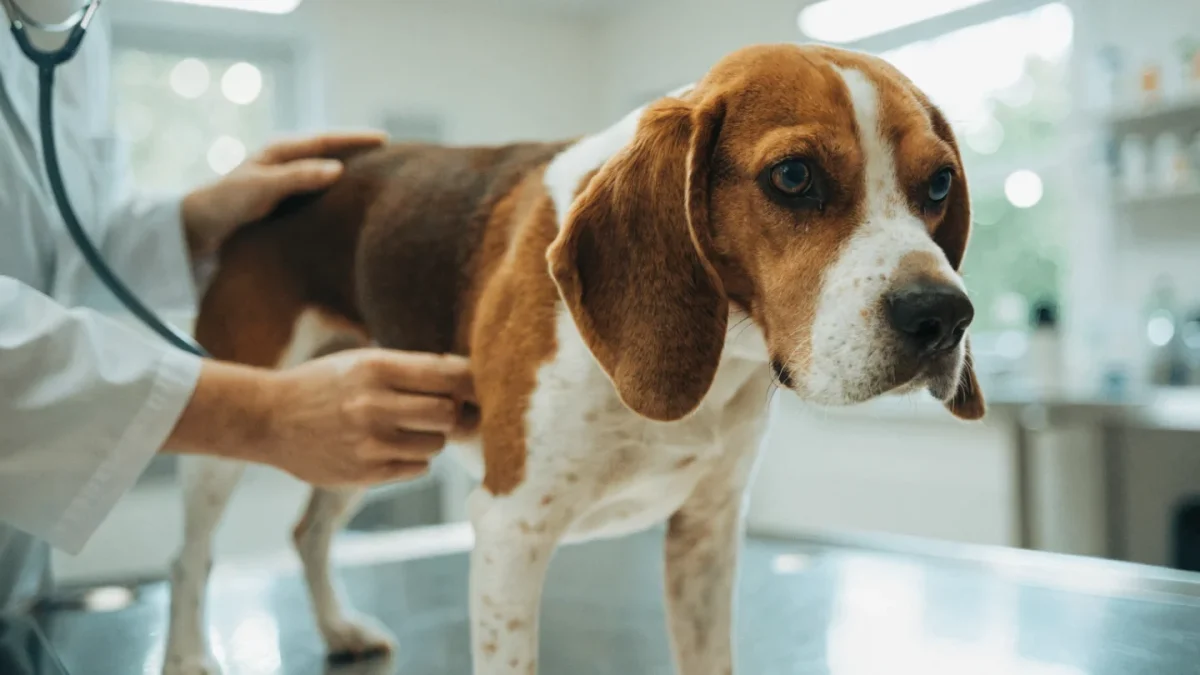
One of my regular clients — a very analytical man who works in finance — asked me once to walk him through every step of his cat's yearly exam. He said he'd been bringing animals to vets his whole life and had never actually understood what was happening. That conversation changed how I approach wellness visits. Most owners, when they understand what we're doing and why, become much better observers of their own animals. And better observers catch things earlier.
An annual vet checkup isn't a formality for healthy pets. It's the single most reliable way to detect problems in the silent phase — before symptoms appear, before conditions compound, before treatment options narrow.
Before the Exam: What to Bring
Come prepared. Bring any records from previous practices if this is a new vet. Bring a list of current medications, supplements, or dietary changes. A fresh stool sample (collected within a few hours of the visit, stored in a sealed bag) is useful if your vet wants to run a faecal panel — call ahead to confirm whether they'd like one.
Most importantly, bring your observations. Has your dog been drinking more water than usual? Has your cat been sleeping in different spots, vocalising more, or grooming less? These behavioural details don't show up on a blood panel, but they direct the examination.
The Physical Examination: A Systematic Survey
The exam itself typically runs fifteen to twenty minutes for a straightforward wellness visit. Here's what your vet is actually assessing.
Weight and body condition score. Every visit starts with a weigh-in. Weight trends over time are diagnostically significant — gradual loss in a senior cat is a red flag for hyperthyroidism or kidney disease; unexplained gain in a middle-aged dog warrants thyroid and metabolic assessment. Body condition score (BCS) — a standardised assessment of fat coverage over key anatomical landmarks — gives a more meaningful picture than weight alone.
Lymph nodes. Your vet will palpate the major lymph node groups — submandibular, prescapular, inguinal, popliteal. Enlarged nodes can indicate infection, inflammation, or, in concerning cases, lymphoid malignancy.
Eyes, ears, and nose. Corneal clarity, conjunctival colour, pupil response to light, signs of discharge or asymmetry. Ear canals for wax accumulation, odour, inflammation, or early signs of infection or mite activity.
Oral cavity. Dental scoring is a core component of every exam. Gingivitis, plaque and calculus accumulation, broken teeth, and periodontal pocketing are assessed visually and sometimes with a dental probe. Many owners are surprised to learn their pet has significant dental disease — because animals mask oral pain effectively.
Heart and lungs. Auscultation — listening with a stethoscope — takes a full minute on each side. Heart murmurs are graded on a scale of one to six, and a murmur discovered at a wellness exam may be followed with echocardiography to assess cardiac function. Lung sounds reveal fluid, restriction, or upper airway issues.
Abdomen. Palpation of the abdomen evaluates organ size and position, identifies pain responses, and can detect masses or abnormal fluid. An enlarged spleen, a thickened loop of intestine, or a bladder that doesn't empty fully can all be discovered this way.
Musculoskeletal. Gait assessment, joint range of motion, muscle mass symmetry, and spinal palpation. Dogs often develop arthritis in hips, elbows, or stifles long before they start limping — pain-associated reluctance to jump or changes in posture are the earlier signs.
Skin and coat. Overall coat quality, sebaceous health, evidence of parasites (flea dirt, mite scale), hotspots, or masses embedded in or under the skin.
Neurological spot check. Reflexes, proprioception (the animal's awareness of its limb position), and menace response may be assessed if the physical exam raises questions.
Diagnostics: When Bloodwork and Urinalysis Are Recommended
For young, healthy animals, the exam itself may be sufficient. For adults over five to seven years, most vets recommend adding baseline bloodwork and urinalysis.
A complete blood count (CBC) evaluates red blood cell quantity and morphology, white blood cell differential, and platelet counts. Anaemia, infection, inflammatory disease, and certain cancers leave traces here.
A biochemistry panel assesses organ function: liver enzymes (ALT, ALP, GGT), kidney markers (creatinine, BUN, SDMA), blood glucose, protein levels, electrolytes, and more. SDMA, a more sensitive early kidney marker, has become standard in many preventive panels for cats and older dogs.
Urinalysis evaluates urine concentration, protein loss, glucose spillage, and cellular sediment. Combined with the chemistry panel, it gives a much fuller picture of kidney function than bloodwork alone.
Thyroid testing — a total T4 — is routinely added for cats over eight or nine, since hyperthyroidism is the most common endocrine disorder in older cats.
Your vet may also recommend faecal PCR panels, heartworm antigen testing, tick-borne disease serology, or blood pressure measurement, depending on your pet's age, lifestyle, and regional parasite risks.
Vaccine Review and Parasite Prevention Update
Annual visits are also a checkpoint for vaccine status and parasite prevention protocols. Not every vaccine is due every year — your vet will review what's current and what, if anything, needs updating. This is also the moment to reassess whether your pet's parasite prevention protocol matches their current lifestyle and the regional disease pressure in your area.
Understanding the full scope of a comprehensive preventive care program helps you see how the annual exam fits into the larger picture of your pet's health.
What to Expect After the Exam
Your vet should walk you through findings clearly, explaining what's normal, what they're monitoring, and what warrants follow-up. You should leave with a clear understanding of:
- Any conditions identified and the plan for managing or monitoring them
- Vaccine and parasite prevention updates
- Recommended diagnostics and their rationale
- A timeline for the next visit
- Any behavioural or lifestyle changes worth considering
Understanding how often dogs need vet visits by age helps you plan appointments proactively rather than reactively.
If something is found during the exam, don't panic. The wellness exam exists precisely to find things early — which almost always means better outcomes, lower costs, and less suffering for your animal.
Making the Appointment Productive
Know that your time with the vet is limited. Come with two or three specific observations or questions. Write them down. Vets genuinely welcome prepared owners — it makes the visit more efficient and ensures nothing important gets forgotten in the moment.
There are questions worth asking at every visit that most owners never think to raise — about weight trends, dental scheduling, and what specific early signs to watch for at home. Asking them turns a wellness exam into a genuine health planning conversation.
Frequently Asked Questions
How long does an annual vet checkup take?
A routine wellness exam for a healthy adult pet typically takes thirty to forty-five minutes when you include check-in, the exam itself, and the follow-up discussion. If diagnostics like bloodwork are collected in-house, you may wait for results or return for a follow-up call. Come with some buffer time rather than scheduling it between other commitments.
Should I fast my pet before a wellness exam?
For routine exams without scheduled bloodwork, fasting is generally not required. If bloodwork is planned — especially panels that include glucose or triglycerides — a four-to-six-hour fast beforehand is often recommended. Ask your vet's office when you book the appointment.
What if my pet is difficult to examine?
Tell the team before the visit, not during. Clinics have strategies for anxious patients — pre-visit calming medication, a stress-reducing environment, different handling techniques. A vet who knows your animal is anxious will adapt the exam accordingly. Concealing the behaviour doesn't serve your pet; flagging it upfront does.