

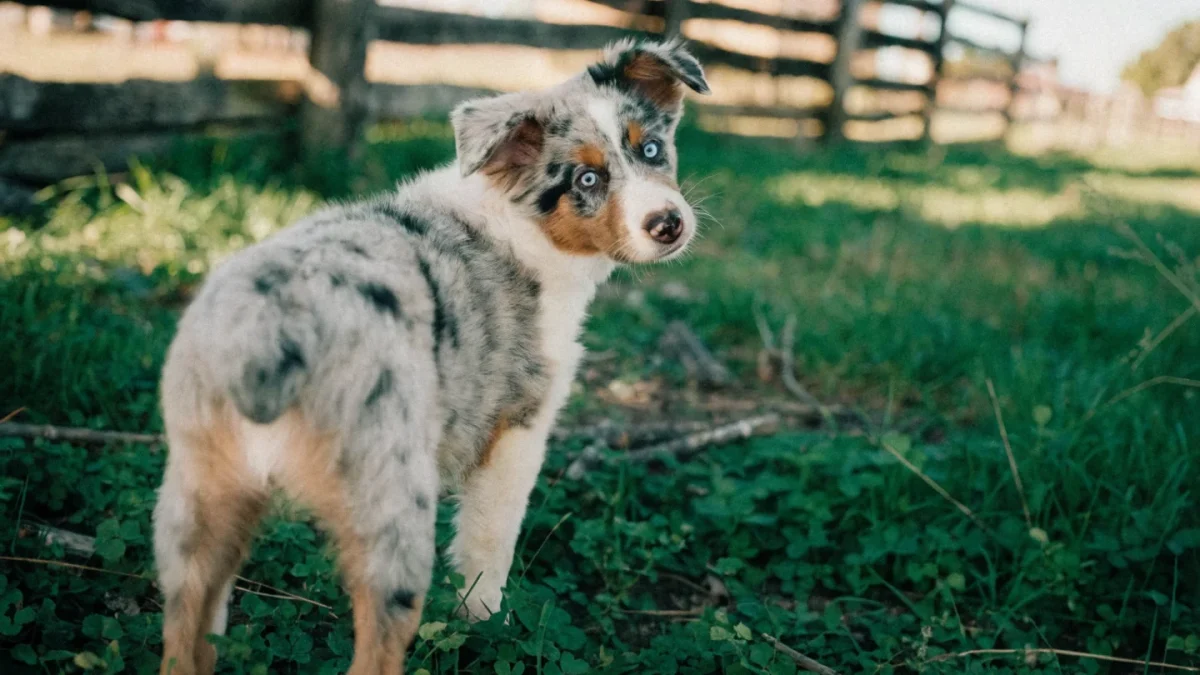
The Australian Shepherd's rise in popularity over the past two decades has predictably expanded the range of breeding quality available to prospective buyers. At one end: programs that health-test comprehensively, evaluate temperament, and screen prospective owners with more rigor than some adoption agencies. At the other: operations that produce puppies as product, with no health testing, no behavioral evaluation, and no interest in where those puppies end up. The australian shepherd puppy buying guide that follows is designed to help you tell the difference. For more, see Australian Shepherd.
This breed carries specific genetic risks that make health documentation more than a formality. The decisions a breeder makes — particularly around merle genetics and MDR1 testing — have lifelong consequences for the dog you bring home.
Health Testing That's Non-Negotiable
Australian Shepherds have a health profile that demands more pre-breeding screening than many breeds. These are the tests that separate responsible programs from everything else.
MDR1 (ABCB1) DNA test. This identifies the multi-drug resistance gene mutation that affects approximately half the breed, based on Washington State University population screening data. Dogs with two copies of the mutation can have life-threatening reactions to common medications. Both parents should be tested, and the breeder should know the status of every puppy in the litter. This test is inexpensive and widely available. There is no excuse for skipping it.
Hip and elbow evaluation. Screening identifies structural joint abnormalities that predispose to dysplasia. Results should be documented through a recognized evaluation program. Dogs under two years cannot receive a final hip evaluation, so parent dogs should be at least two when assessed.
Ophthalmologist examination. Australian Shepherds are predisposed to multiple hereditary eye conditions — Collie Eye Anomaly (CEA), progressive retinal atrophy (PRA), cataracts, and iris coloboma. DNA tests exist for CEA and some PRA variants. Both parents should have current eye clearances from a veterinary ophthalmologist, and DNA testing should supplement the clinical exam.
Merle status confirmation. Responsible breeders know the merle genotype of their breeding stock and never produce merle-to-merle crosses. More on this below.
Ask for all documentation. Read it. Verify it if possible. A breeder who produces paperwork without hesitation is showing you that the testing was done for the dogs' sake, not yours. A breeder who gets defensive or evasive about health records is telling you something important about their priorities.
The Merle Question
This is the single most critical breeding decision in Australian Shepherds, and it's the one that separates informed breeders from dangerous ones.
The merle gene creates the breed's distinctive marbled coat pattern. When a merle dog is bred to a solid-colored dog, approximately half the litter will be merle and half solid. All puppies will be healthy.
When a merle dog is bred to another merle dog, approximately 25% of the litter will be "double merle" — homozygous for the gene. Double merles frequently suffer from deafness, blindness, microphthalmia, and other sensory deficits. The Australian Shepherd genetics article explains the mechanism in detail.
No responsible breeder crosses two merle dogs. Period. If a breeder has a litter from two merle parents, or can't tell you the merle status of both parents, walk away. This isn't a gray area. The genetics are well-understood, and producing double merle puppies is preventable.
Be aware that some merle dogs — called "cryptic merles" or "phantom merles" — carry the gene without showing obvious merle patterning. DNA testing identifies these dogs. Responsible breeders test for merle status rather than relying on visual assessment alone.
Evaluating Temperament in Puppies
At six to eight weeks, Australian Shepherd puppies should show curiosity about their environment, willingness to approach unfamiliar people, and recovery from startling stimuli. A puppy that freezes, hides, or doesn't recover from a mild surprise may be temperamentally unsuitable for a pet home — and in a breed predisposed to shyness when poorly socialized, starting with a confident baseline matters.
Look for the puppy that:
- Approaches you voluntarily, even if cautiously at first
- Recovers from unexpected sounds or movements within a few seconds
- Engages with novel objects (a crinkled paper, a new toy) rather than avoiding them
- Shows interest in its littermates and environment without frantic hyperactivity
Extreme ends of the spectrum — the puppy that charges at everything without hesitation and the one that won't leave the corner — both warrant caution. Moderate, recoverable confidence is the sweet spot for a pet-destined Aussie.
A responsible breeder will have opinions about which puppies suit which homes. They'll match the calmer puppies with less experienced owners and the higher-drive pups with working or sport homes. A breeder who lets you pick whichever puppy you want based on color is not making decisions in the dogs' best interest.
What to Observe at the Facility
Visit in person. There is no substitute for seeing where the puppies are raised.
The mother should be present, healthy, and behaviorally sound. Her temperament gives you the best preview of adult personality — if the dam is shy, reactive, or anxious, those tendencies are likely to appear in the puppies. The father may or may not be on-site, but the breeder should be able to tell you about his temperament and show you his health documentation.
The environment should be clean, stimulating, and social. Puppies raised in isolation — a back room, a barn with no human interaction, a concrete kennel — miss critical socialization during the developmental window between 3 and 14 weeks. The best programs expose puppies to varied surfaces, sounds, handling, and household activities before they go to new homes.
Red Flags
- Multiple litters available simultaneously. Responsible programs breed selectively. Volume production is a warning sign.
- No health testing documentation. "The vet says they're healthy" is not health testing. Specific evaluations with formal results are the standard.
- Merle-to-merle crosses. Immediate disqualification. No exceptions.
- Puppies available before eight weeks. Early separation from the litter deprives puppies of critical social learning from their mother and siblings.
- No questions about your experience or lifestyle. A breeder who doesn't care where the puppy goes doesn't care about the puppy.
- Pricing based on color. Blue merles and dogs with striking blue eyes are not more valuable. Color is cosmetic. Breeders who charge premiums for "rare" colors are prioritizing appearance over health and temperament.
- No contract or return policy. Responsible breeders require a contract that includes a return clause — if you can't keep the dog at any point in its life, it comes back to the breeder. Operations that sell puppies without this commitment are treating dogs as disposable inventory.
Adoption as an Alternative
Breed-specific rescue organizations regularly have Australian Shepherds available, including puppies, young adults, and seniors. Adult Aussies in rescue often come with known temperaments and some training history, which removes significant guesswork. Senior Aussies — often overlooked — can be outstanding companions for people who want the breed's loyalty and intelligence without the first three years of high-octane puppyhood.
The honest ownership assessment is worth reading before you start evaluating puppies or rescue dogs. Knowing whether the breed fits your life is a more important decision than which specific dog you choose.