

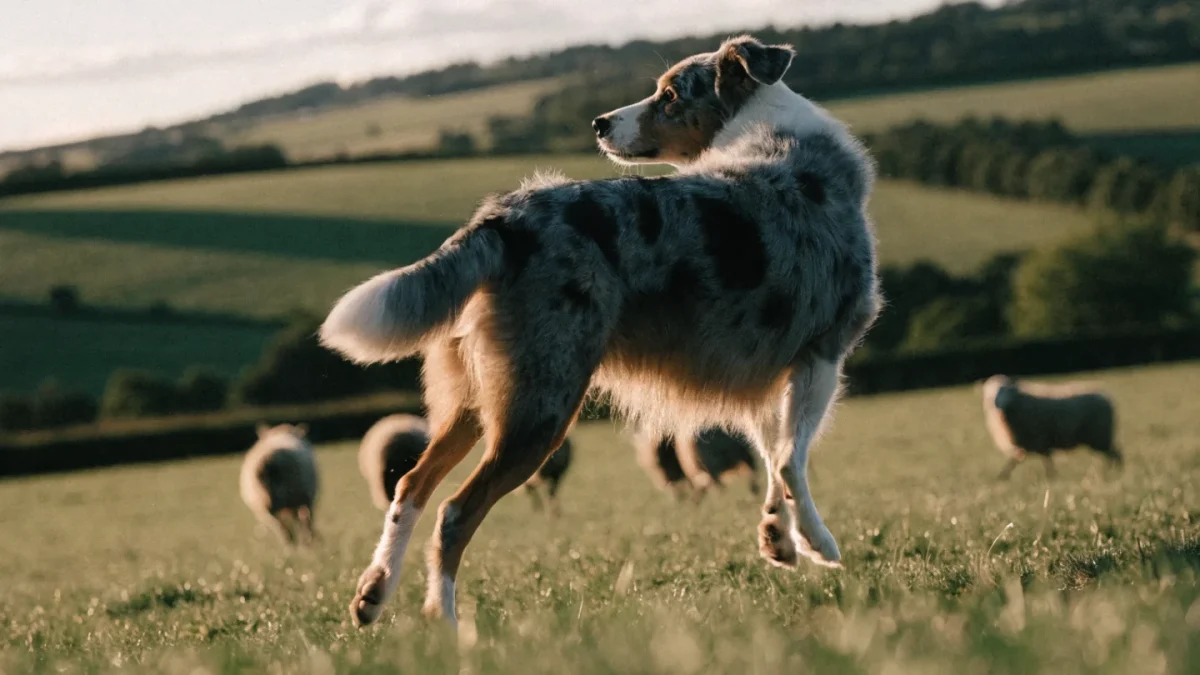
Australian Shepherds have climbed steadily in popularity over the past two decades, and breed-specific rescue groups have seen their intake numbers rise in parallel. That correlation isn't coincidental. The gap between what people expect from an Aussie and what the breed actually demands is one of the widest in the dog world. Beautiful dogs. Intense partnerships. High surrender rates.
This is the honest version of the decision. Not the marketing version.
The Daily Time Commitment
Start with the math. An adult Australian Shepherd needs a minimum of 90 minutes of structured exercise and mental engagement per day. Not some days. Every day. Rain, snow, exhaustion after a twelve-hour workday, weekends when you'd rather sleep in. The dog's needs don't flex around your schedule.
That 90 minutes doesn't include basic care — feeding, grooming, vet appointments — or the training investment required during the first two years. A young Aussie that isn't receiving consistent training is learning plenty on its own, and none of it is what you want.
The Australian Shepherd exercise article breaks down what effective exercise looks like for this breed. The summary: walking isn't enough. You need activities that engage the dog's herding brain as well as its body. If your daily routine doesn't have room for that, the breed doesn't fit.
The Behavioral Reality
Australian Shepherds are not Golden Retrievers. They're not Labradors. They don't greet everyone with enthusiasm, they don't shrug off inconsistent handling, and they don't do well with long hours of solitude.
What they do:
- Follow you everywhere. Room to room, bathroom included. This is charming until it isn't. If you need personal space from your dog, an Aussie will challenge that boundary constantly.
- Herd moving things. Children, cats, other dogs, bicycles. This includes nipping at heels — a functional herding behavior that is not aggression but feels like it when it's directed at your three-year-old.
- React to insufficient stimulation. Barking, destructive chewing, obsessive behaviors, escape attempts. These aren't defiance. They're what happens when a working dog doesn't have work.
- Bond deeply and unevenly. Most Aussies pick a primary person and the bond is intense. This is deeply rewarding and can create management challenges in multi-person households.
The full breed guide covers temperament in detail. Read it before making a decision, not after.
The Financial Picture
Beyond standard pet costs, Australian Shepherds carry breed-specific expenses that prospective owners should budget for:
- Genetic testing. MDR1 status, eye screening, hip and elbow evaluation. This isn't optional — it's baseline responsible ownership for this breed.
- Training. Professional obedience classes, herding lessons, agility instruction. Most Aussies need more structured training than the average pet dog.
- Veterinary monitoring. Annual eye exams, joint assessments as the dog ages. The breed's predisposition to multiple eye conditions and orthopedic issues means screening isn't a one-time event.
- Behavioral support. If separation anxiety develops — and the breed is prone to it — professional behavioral consultation and potentially medication.
None of these costs are unusual for high-drive working breeds. But they exceed what many first-time owners expect when they budget for "a dog."
The Lifestyle Test
Answer these honestly:
How many hours are you away from home daily? More than six to eight hours without a dog care plan (dog walker, daycare, a partner at home) creates conditions for separation anxiety in a breed that's already predisposed.
What does your current exercise routine look like? If you're already an active person — hiking, running, training in canine sports — an Aussie can slot into that lifestyle. If your current activity level is moderate, adding 90 minutes of structured dog exercise on top of everything else is a meaningful lifestyle change.
Do you have children under five? The herding-nip issue is real. It's manageable with consistent redirection, but it requires constant vigilance during the years when children and dog are both young. Some families navigate this beautifully. Others find it overwhelming.
Have you owned a high-drive working breed before? Experience matters with Aussies. The behavioral patterns of a herding breed are different from what most people have encountered with companion breeds. If a golden retriever or a Labrador is your reference point, an Australian Shepherd will recalibrate your expectations significantly.
Is your housing stable? Aussies in apartments can work, but it requires more deliberate exercise planning. Moving frequently, facing lease restrictions, or living in shared housing adds logistical friction that compounds the breed's daily demands.
When It Works
The Australian Shepherd is an extraordinary partner for the right person. Active individuals and couples who hike, run, or participate in canine sports. Rural properties where the dog has space and purpose. Experienced handlers who appreciate intensity and want a dog that's fully invested in the partnership.
When the match is right, the bond is unlike anything most other breeds offer. These dogs give you their full attention, their full effort, and their full loyalty. People who have had a good Aussie rarely go back to a different breed.
When It Doesn't
Surrendered Aussies in breed rescue share common histories. First-time dog owners who fell for the look. Families that underestimated the herding behavior with kids. People whose work schedules changed. Young professionals who adopted a puppy and then discovered the breed's exercise needs were incompatible with their commute.
None of these people are bad owners. They just made a decision without the full picture. The breed deserves better than that, and so do the owners. Readers considering herding breeds more broadly may want to work through whether a Border Collie is the right fit as a companion assessment — the two breeds share many demands but differ in specific ways that matter for certain households.
Frequently Asked Questions
Can I have an Australian Shepherd if I work full time?
Yes, but with conditions. A full-time work schedule requires a concrete plan for the dog's midday needs — a dog walker, doggy daycare, a partner or family member at home, or a flexible work arrangement. An Aussie left alone for eight to ten hours without midday engagement is at high risk for separation anxiety and destructive behavior. The breed's tolerance for isolation is low, and the consequences of exceeding it are significant.
Are Australian Shepherds good apartment dogs?
Possible but demanding. The breed can live in an apartment if the owner provides extensive daily exercise and mental stimulation outside the home. The issue isn't space — it's commitment. An apartment Aussie with a highly active owner can thrive. An apartment Aussie with a sedentary owner will be miserable, and so will the neighbors.
What's the biggest mistake people make when getting an Australian Shepherd?
Choosing the breed for its appearance without fully understanding its behavioral needs. The merle coat, the blue eyes, the athletic build — they're beautiful. But beauty fades quickly when the dog is barking for three hours, herding your children into corners, and dismantling the baseboards because its brain has nothing to do. The most successful Aussie owners chose the breed for the temperament, not the look.