

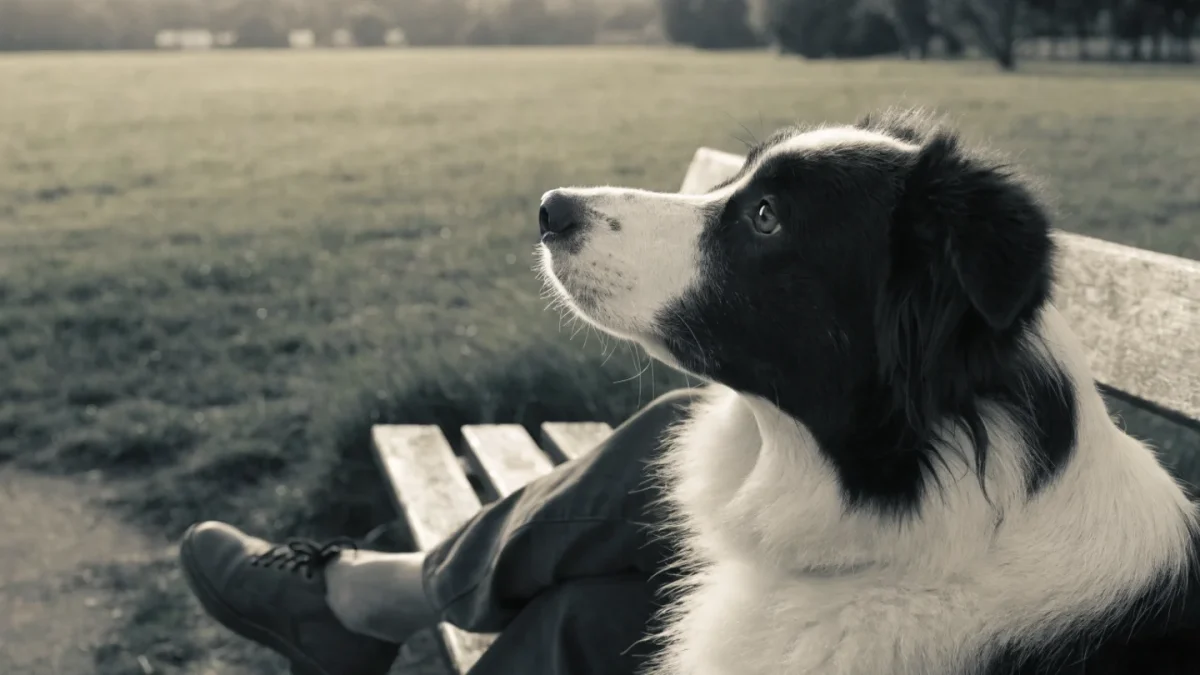
Border collie rescue organizations stay busy. Not because the breed is unhealthy, poorly bred, or aggressive — but because people keep bringing home a dog they're not ready for. The gap between what people imagine a border collie will be like and what a border collie actually demands is wider than in almost any other breed. That gap fills rescue kennels.
If you're asking whether a border collie is right for you, you're already further along than most people who end up overwhelmed. The fact that you're researching before committing puts you ahead. Here is the honest version of the decision.
The Non-Negotiable Commitments
Time
Two or more hours of daily exercise and mental stimulation. Not "most days." Not "when I can." Every day, including days when you're tired, busy, sick, or it's raining sideways. The border collie exercise requirements are not flexible. They're the minimum operating cost of the breed.
That two hours breaks down into roughly an hour to ninety minutes of physical activity — running, hiking, agility, fetch — and thirty to sixty minutes of mental work — training sessions, puzzle feeders, scent games, or learning new skills. A border collie that gets only physical exercise without mental stimulation will still develop behavioral problems.
Active Training
Border collies don't finish training at six months and coast. They need ongoing learning throughout their lives. New skills, new challenges, escalating complexity. If you view training as a tedious obligation that ends after basic obedience, this breed will exhaust your patience long before it exhausts its capacity to learn.
Emotional Bandwidth
Border collies are emotionally sensitive and highly attuned to their handler's state. They absorb household stress, respond to inconsistency with anxiety, and require a handler who can remain calm and clear under pressure. A chaotic household — frequent arguments, irregular schedules, multiple competing priorities — creates an environment that border collies struggle in.
Who This Breed Works For
Active individuals and couples without young children who enjoy outdoor pursuits — trail running, hiking, cycling — and want a dog that matches their pace. The border collie is a superb training partner for athletes and outdoor enthusiasts.
Dog sport competitors. If agility, flyball, herding trials, disc dog, or competitive obedience is your hobby, the border collie is the breed that will push you to improve your own skills. They thrive in competitive environments and the training structure that comes with them.
Farmers and rural property owners who need a working dog or who can provide the space and activity environment the breed was designed for. A border collie on a working farm with a daily job is the happiest version of the breed.
Experienced dog owners who have previously lived with high-drive breeds and understand what behavioral management, impulse control training, and structured daily routines look like in practice. As the full border collie breed guide explains, experience with lower-drive breeds doesn't fully prepare you for what this one requires.
Who This Breed Doesn't Work For
First-time dog owners. This is not a universal rule — some first-time owners research extensively, commit fully, and do well. But the statistical reality is that the learning curve with a border collie is steep, the consequences of mistakes are fast-moving, and the margin for error is narrow. Most first-time dog owners are better served by a less demanding breed.
People who work long hours. A border collie left alone for eight or more hours daily — even with a lunchtime walk — does not have enough engagement to meet its needs. Doggy daycare, a reliable dog walker, or a partner who works different hours can mitigate this, but the logistics need to be solved before the dog arrives, not after.
Families with toddlers and preschoolers. Border collies herd moving children. They nip heels, circle, and body-block. None of this is aggressive, but it is stressful for young children and for parents managing a toddler and a high-drive dog simultaneously. Families with older children — roughly seven and up, children who can understand how to interact with the dog — have a much better experience.
Anyone seeking a relaxed companion. If your vision of dog ownership involves leisurely walks, weekend hikes, and mostly couch time at home, the border collie will not settle into that pattern without significant training and will likely push back against it throughout its life.
If the herding-breed drive and handler partnership appeal but the border collie's intensity feels like more than your schedule can realistically accommodate, the Australian Shepherd complete breed guide covers a related herding breed that runs at slightly lower cognitive intensity with comparable athleticism and trainability.
The Cost Equation
Beyond the time commitment, border collie ownership carries financial implications that are worth sizing honestly.
Veterinary costs for a generally healthy breed are moderate, but border collies require genetic health testing (CEA, TNS, MDR1 at minimum), and conditions like epilepsy, if they appear, involve ongoing medication and monitoring costs. Pet insurance is worth considering for the breed.
Training costs are higher than average if you use professional trainers or attend classes — and most border collie owners should, at least initially. Ongoing training classes, sport-specific coaching, and equipment for activities like agility add up.
Equipment for mental enrichment — puzzle toys, training props, scent work kits — is an ongoing expense. Border collies solve puzzles quickly, so rotation and replacement happen more frequently than with less cognitively demanding breeds.
The Rewards
For the right owner, no breed gives more. A border collie that is properly stimulated, trained, and bonded is a dog that anticipates your needs, responds to your emotional state, learns new skills in minutes, and provides a level of partnership that most dog owners never experience. The communication between a skilled handler and a well-matched border collie is something people outside the breed rarely understand until they see it in action.
The bond is intense, the capabilities are extraordinary, and the daily interaction is never boring. But all of that is contingent on the owner's willingness to do the work. The breed gives proportionally to what it receives.
Frequently Asked Questions
Are border collies good for first-time owners?
Generally not recommended. Border collies require experienced handling, structured training, and daily management of high drive and intense intelligence. First-time owners who are fully committed to extensive research, professional training support, and a daily two-hour minimum exercise commitment can succeed, but the learning curve is significant. A less demanding breed for a first dog allows you to build handling skills that will serve you well if you choose a border collie later.
Can I have a border collie if I work full time?
Yes, with conditions. A full-time work schedule is manageable if you have a reliable plan for the dog's care during working hours — a partner with different hours, a qualified dog walker providing midday activity, or high-quality daycare that includes mental stimulation. The dog still needs its full exercise and enrichment commitment before and after work. If your job regularly requires overtime or unpredictable hours, the logistics become more difficult.
What if I don't have a yard?
A yard is helpful but not essential. Many successful border collie owners live without yards and compensate with twice-daily structured exercise sessions at parks, trails, or training facilities. What matters is the time and energy you invest in daily activity, not the size of your property. A large yard without an active owner is far worse for a border collie than no yard with a dedicated one.