

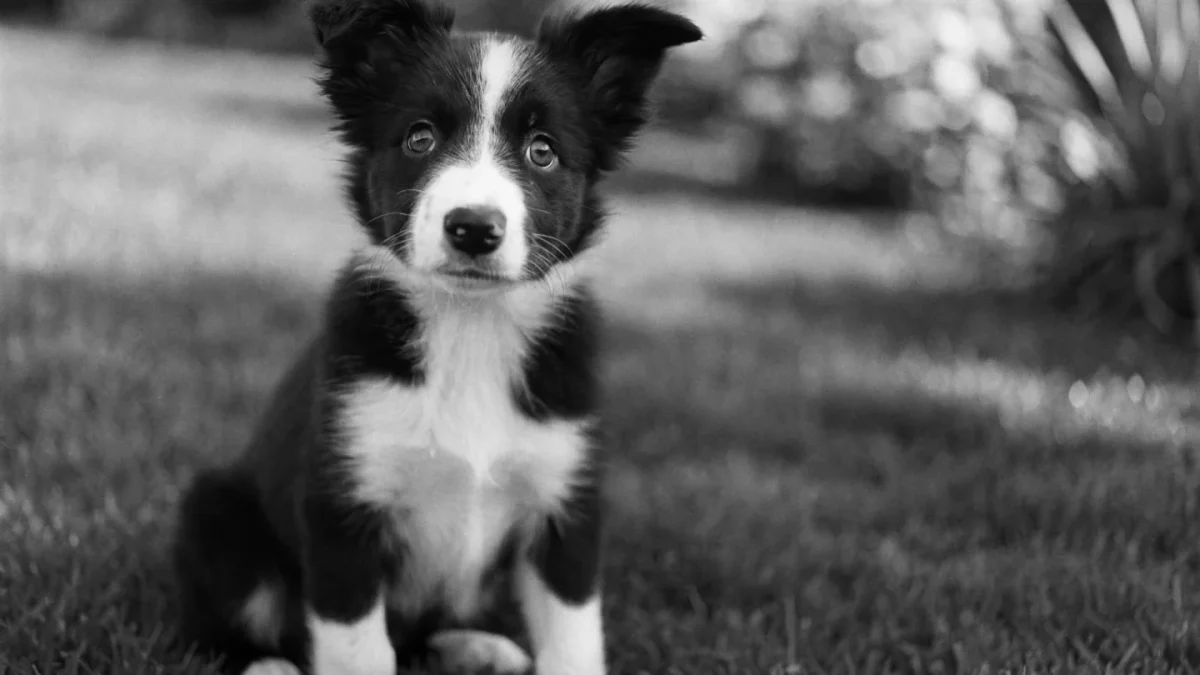
A border collie puppy is disarmingly cute — all oversized ears, bright eyes, and a wiggly enthusiasm that hides the fact that you're bringing home one of the most demanding dog breeds in existence. The cuteness wears off around week three when the puppy has figured out how to open the kitchen gate, disassembled a puzzle toy in four minutes flat, and started herding the cat. The homework you do before that point determines whether the next 12 to 15 years go well.
Getting a border collie puppy right means understanding health requirements, the significant difference between breeding lines, and the questions that separate a responsible source from a problematic one.
Health Clearances: The Starting Point
Border collies carry several breed-specific genetic conditions with reliable DNA tests. Both parents should be tested before any mating takes place. The core tests include:
Collie Eye Anomaly (CEA). A congenital eye condition that ranges from cosmetic to vision-threatening. The DNA test identifies carriers, affected dogs, and clear dogs. No affected puppy should be produced when both parents are tested.
Trapped Neutrophil Syndrome (TNS). A fatal immune disorder. Affected puppies rarely survive past 12 months. The DNA test is definitive, and responsible breeders have eliminated this condition from their programs by testing all breeding stock.
MDR1 (Multidrug Resistance). Dogs carrying this mutation are sensitive to certain common medications. Not a life-threatening condition to carry, but veterinarians must know the dog's status before prescribing. Testing is simple and inexpensive.
Hip evaluation. Hip dysplasia screening through a recognized evaluation program should be completed on both parents. Border collies have lower dysplasia rates than many breeds, but screening ensures the parents are structurally sound.
Eye examination. An annual eye examination by a veterinary ophthalmologist, in addition to CEA DNA testing, checks for conditions like progressive retinal atrophy that may not have DNA tests for all known variants.
If a breeder cannot or will not provide documentation for these tests, that tells you what you need to know. Walk away.
The Line Decision: Working, Show, or Sport
This choice matters more in border collies than in most breeds because the behavioral differences between lines are substantial. The border collie breed guide covers this in detail, but the short version is:
Working lines are bred for herding ability. Puppies from working parents will typically show stronger eye, more intense drive, higher reactivity, and greater need for structured work. If you want a dog for herding, serious sport competition, or have significant daily time for high-intensity engagement, working-bred puppies are the strongest match.
Show lines are bred for conformation. Puppies tend toward slightly lower drive and calmer indoor demeanor, though they remain border collies with all the breed's fundamental traits. For active families or owners who want a companion for hiking, training, and moderate sport involvement, show-bred border collies can be an excellent fit.
Sport lines are increasingly common — dogs bred specifically for agility, flyball, or disc dog performance. These puppies may combine high drive with handler focus that's been selected for competition contexts.
No line is inherently "better." The right choice depends entirely on your honest assessment of your own lifestyle. Consider reading whether a border collie fits your lifestyle before making the line decision.
What to Evaluate in Person
Temperament
Visit the litter if possible. Watch how puppies interact with each other, with their dam, and with you. In border collies, you're looking for confident curiosity rather than either extreme — the puppy that hides in the corner and the one that overwhelms every sibling may both carry temperament traits that need experienced handling.
Ask the breeder about each puppy's emerging personality. Good breeders observe their litters closely and can describe individual differences in drive, confidence, noise sensitivity, and recovery from surprise. They should also be matching puppies to homes based on these observations — a high-drive puppy placed with a sedentary owner is a setup for failure on both sides.
The Dam
The mother's behavior tells you more than any test. Is she calm, confident, and social? Does she show anxiety, fearfulness, or aggression? Temperament is significantly heritable in dogs, and the dam's behavior in her own environment provides direct evidence of what her puppies are likely to become.
Living Conditions
Puppies should be raised in a clean, enriched environment with exposure to household sounds, different surfaces, and human handling. Early socialization in the first eight weeks has lasting effects on temperament. Border collies raised in kennels with minimal human contact during this period are at higher risk for noise sensitivity, fearfulness, and difficulty bonding.
Red Flags
- Puppies available before eight weeks of age
- No health clearances or refusal to show documentation
- No questions about your experience, living situation, or plans for the dog
- Multiple litters available simultaneously with no waitlist
- Emphasis on color or "rare" markings as a selling point — merle border collies marketed at premium prices for color alone is a particular concern, as double merle breeding (merle-to-merle) carries serious health risks including deafness and vision problems
- Unwillingness to let you meet the dam or see the environment
- No interest in staying in contact after the sale or offering return support
The Adoption Alternative
Border collie rescue organizations are well-established in many regions and regularly have dogs from puppies through seniors. The advantage of adopting an adult border collie is significant: the dog's temperament, drive level, noise sensitivity, and behavior patterns are already visible. You're choosing based on observation rather than prediction.
Many surrendered border collies end up in rescue not because anything is wrong with the dog, but because the previous owner underestimated the breed's needs. A two-year-old border collie in rescue is often past the most difficult puppy period, may have some training foundation, and is fully capable of forming a deep bond with a new handler.
Senior border collies — often overlooked — can be remarkable companions for experienced owners who want the border collie brain without the first three years of peak-intensity management.