

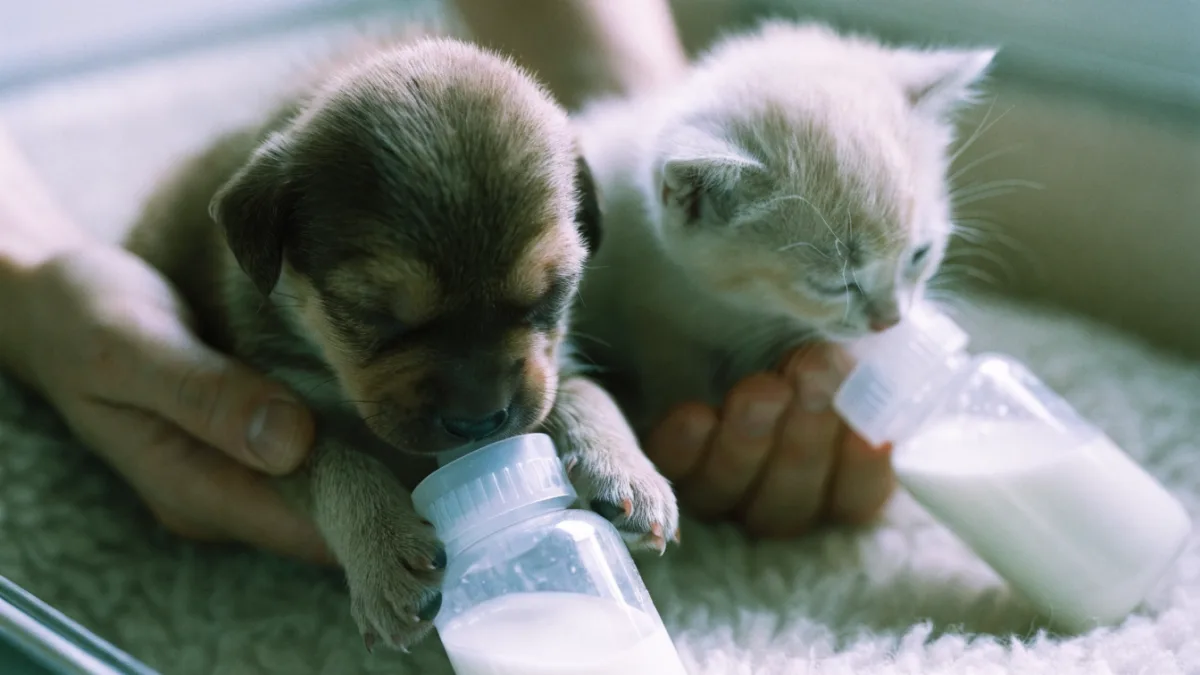
Picture 11 PM on a Tuesday: a woman named Maria walks into an emergency clinic cradling a shoebox lined with a heated towel. Inside are three two-week-old Shepherd-mix puppies she’d found behind a dumpster, their eyes barely open, their cries thin and desperate. “I bought baby formula and bottles from the pharmacy,” she says, eyes wide with panic. “How much do I give them?” That moment—heartbreaking and hopeful in equal measure—plays out in clinics and rescues constantly. And every single time, the first thing that has to be explained is that feeding orphaned neonates is nothing like feeding a human infant. The formula is different. The position is different. The stakes are different. Whether you’re a first-time foster parent or a seasoned rescuer with a house full of crates, understanding the science behind bottle-feeding puppies and kittens can quite literally mean the difference between life and death.
The “Human Baby” Trap: Why Position Matters More Than You Think
If I had a dollar for every well-meaning person who tucked a puppy or kitten into the crook of their arm, tilted it back like a newborn, and popped a bottle into its mouth, I’d have funded a rescue sanctuary by now. It’s the most natural instinct in the world—we’ve all held human babies this way. But for neonatal puppies and kittens, feeding on their backs is genuinely dangerous.
Here’s why: puppies and kittens, unlike human infants, have an epiglottis—that little flap of tissue at the back of the throat—that sits differently. When they’re tilted backward, milk can easily slip into the airway instead of the esophagus. This is called aspiration, and it can lead to aspiration pneumonia or, in severe cases, the animal can essentially drown in its own formula. Take a four-week-old Tabby kitten named Clover, whose foster mom had been feeding her on her back for a week before the coughing started. By the time Clover reached a vet, she had a low-grade fever and crackling sounds in both lungs. It was caught early, and she pulled through after ten days of antibiotics and nebulizer treatments, but it was a close call that didn’t need to happen.
The correct feeding position is simple: place the puppy or kitten on its belly, with its head level or slightly elevated. Think about how they’d naturally nurse from their mother—they’re on their stomachs, bellies down, chin forward. You can support the chest with one hand and hold the bottle with the other. The animal should be actively kneading and suckling, not passively swallowing milk that’s dripping down its throat.
One Formula Does Not Fit All: Species-Specific Nutrition
The nutritional needs of a growing puppy and a growing kitten are dramatically different, and this is where I see people get into trouble with DIY recipes pulled from Facebook groups. Let me be clear about one thing right away: cow’s milk is dangerous for both species. It contains far too much lactose and the wrong balance of protein, fat, and calcium. It will cause diarrhea, and diarrhea in a neonate can become life-threatening within hours due to dehydration.
Commercial Formulas vs. Homemade Recipes
There’s an ongoing debate in rescue communities between commercial milk replacers and homemade formulas—typically some combination of evaporated milk, egg yolks, and corn syrup. I understand the appeal of homemade recipes. They feel resourceful, and many veteran foster parents swear by them. I used to be more open to them myself, to be honest. But the research has evolved, and I’ve changed my stance.
Modern commercial milk replacers are formulated to mirror the exact macronutrient profile of canine or feline mother’s milk..[1] typically contains higher levels of protein and specific amino acids like arginine, while kitten formula contains significantly more taurine—an essential amino acid that cats cannot synthesize on their own and that is critical for heart and eye development. Homemade recipes simply cannot match this precision, no matter how carefully they’re measured.
That said, if you find yourself at 2 AM with a starving orphan and no commercial formula in sight, a homemade emergency recipe is absolutely better than nothing or cow’s milk. Use it as a bridge until you can get to a pet store or veterinary clinic, not as a long-term solution.
Puppy Formula for Kittens? Only in Emergencies
Unless you’re facing an absolute emergency with no other option, never feed puppy formula to kittens or vice versa. The nutritional imbalances can cause real harm over even a few feedings. I once saw a litter of three-week-old kittens brought in stunted and lethargic after a week on puppy formula—their foster mom had run out of kitten replacer and assumed they were close enough. They recovered, but it took weeks of careful nutritional rehabilitation.
Reading the Stool: Your Daily Diagnostic Tool
If there’s one skill I want every foster parent to master, it’s this: pay attention to the poop. Neonatal stool tells you almost everything you need to know about how the digestive system is handling the formula. For puppies and kittens under three weeks, you’ll need to stimulate elimination by gently rubbing the genital area with a warm, damp cloth after each feeding—this mimics the mother’s licking. Once they start going, here’s what you’re looking for:
- Healthy stool: Yellowish to tan, formed but soft, like peanut butter consistency. This means the formula volume and concentration are right.
- Loose or watery stool: The formula volume is too high or the concentration too rich. This is your cue to reduce the volume per feeding immediately.
- Hard or pellet-like stool: The formula may be too concentrated, or the animal may be dehydrated. Offer slightly more formula or a small amount of warm water between feedings.
- Green stool: Can indicate the formula is moving through the digestive tract too quickly, or in some cases, a bacterial infection. Contact your veterinarian.
One critical point that surprises many fosters: it is significantly safer to slightly underfeed a neonatal puppy than to overfeed it. Overfeeding is a primary cause of diarrhea in orphaned puppies, and diarrhea rapidly leads to dehydration, which can be fatal in an animal that weighs less than a pound. If a puppy develops loose stool, my protocol—backed by clinical experience and [2]—is to reduce the formula volume by roughly 25% for a few feedings and see if the stool firms up. You can always increase volume gradually; you cannot un-do the damage of severe dehydration.
The stool is your daily report card. Don’t be squeamish about it—check it every single time. Consistency, color, and frequency tell you whether your feeding plan is working or needs adjustment.
Fostering Puppies vs. Kittens: What’s Different?
While the fundamentals of bottle-feeding are similar across species, the day-to-day experience of fostering puppies versus kittens has some meaningful differences that catch people off guard.
Growth Rate and Volume
Puppies, particularly medium and large breeds, grow astonishingly fast. A Labrador mix that weighs one pound at two weeks might weigh three pounds by four weeks. This means formula volumes escalate quickly, and you’ll be mixing larger batches and using bigger bottles before you know it. Kittens grow steadily but more slowly, and their feeding volumes remain relatively modest even through the weaning stage.
Burping and Temperature Regulation
Kittens, in my experience, require more meticulous burping after each feeding. They tend to swallow more air, and trapped gas can cause painful bloating that makes them refuse their next bottle. Hold the kitten against your chest, belly down, and gently pat its back until you feel or hear a burp—sometimes two or three small ones.
Temperature regulation is also more critical for kittens. They cannot regulate their own body temperature until about three weeks of age, and a kitten that’s too cold cannot digest formula properly. The environmental temperature should be around 85-90°F (29-32°C) for the first week, gradually decreasing. Puppies need warmth too, but their slightly larger body mass (in most breeds) gives them a small advantage.
Weaning Timelines
Weaning timelines vary significantly by size and species:
- Toy breed puppies (Chihuahuas, Pomeranians, Yorkies): Begin weaning around 4 weeks—their tiny teeth and digestive systems need extra time on formula.
- Standard and larger breed puppies: Can begin weaning as early as 3 weeks, since their teeth erupt sooner and their nutritional demands outpace what bottle-feeding can practically provide.
- Kittens: Typically begin weaning around 4 weeks, with the process completing by 6-8 weeks.
The Gruel Stage: Transitioning to Solid Food
Weaning is not a switch you flip—it’s a gradual process that bridges the gap between liquid nutrition and solid food. The key tool is gruel, a warm, soupy mixture of formula and wet puppy or kitten food. The consistency should be thin enough to lap from a shallow saucer but thick enough to offer some texture. Think creamy soup, not paste.
Here’s the approach fosters and rescue vets have settled on for introducing gruel:
- Start with a shallow saucer or even a flat plate. Deep bowls can be a drowning hazard for a curious puppy or kitten that decides to investigate face-first.
- Mix the gruel warm—body temperature or slightly warmer. Cold gruel will be refused, and neonates are drawn to warmth because it signals “mother.”
- Offer gruel once or twice daily initially, while continuing regular bottle feedings. Don’t abruptly cut formula—they still need the calories and hydration.
- Gradually thicken the gruel over one to two weeks by reducing the amount of formula and increasing the wet food. By the end of weaning, they should be eating slightly moistened food from a bowl independently.
- Expect a mess in the early days. Neonates will walk through the gruel, wear it on their faces, and generally look like they lost a food fight. This is normal and part of how they learn—through texture, smell, and experimentation.
I always tell fosters that [3] Every puppy and kitten weans at their own pace. Some dive into gruel eagerly at three weeks; others need until five or six weeks to show real interest. Follow the animal’s lead, monitor their weight daily (a kitchen gram scale is your best friend here), and adjust accordingly.
The Bigger Picture: Why Fostering Neonates Matters
I want to step back from the clinical details for a moment and talk about why any of this matters on a larger scale. Animal shelters across the country face a heartbreaking reality: they don’t have the overnight staff to bottle-feed infants every two to four hours around the clock. When orphaned puppies and kittens arrive without a mother, they are among the most vulnerable animals in the entire shelter system. Without foster homes willing to take on the exhausting, messy, deeply rewarding work of bottle-feeding, many of these neonates face euthanasia simply because there’s no one to feed them.
In recent years, I’ve been heartened to see the rise of specialized “bottle baby” programs at shelters and rescue organizations. These programs recruit and train foster parents specifically for neonatal care, and social media has played an enormous role in education and recruitment. When I see a TikTok demonstrating the belly-down feeding position correctly, or an Instagram post explaining how to read neonatal stool, I know that puppy or kitten has a better chance. The visibility matters. The education matters. And every person who learns the difference between puppy and kitten formula, who understands why overfeeding is more dangerous than underfeeding, who commits to the gruel-stained weeks of weaning—that person is saving a life that the shelter system alone could not.
If you’ve ever considered fostering neonatal puppies or kittens, I hope this article leaves you feeling equipped rather than intimidated. Yes, the learning curve is real. Yes, you will lose sleep, and yes, there will be moments of uncertainty. But there will also be the first time a tiny mouth latches onto the bottle and suckles strongly, the first wobbly steps into a saucer of gruel, and the day you realize that the helpless creature in your shoebox has become a robust, mischievous, healthy young animal ready for a forever home. That transformation—witnessed up close, made possible by your knowledge and care—is one of the most profound experiences in all of animal welfare. The formula matters. The position matters. The stool matters. But most of all, the person willing to show up at 3 AM with a warm bottle matters. That person could be you.
Sources
- Puppy milk replacer — vcahospitals.com
- veterinary consensus — dvm360.com
- fostering is as much about patience as it is about technique — facebook.com