

Just last week, I had an emergency appointment with Charlie, a exuberant four-year-old Labrador Retriever. His owner, Mark, had taken him for a quick game of fetch on a warm afternoon. When Charlie started panting heavily and seemed a bit wobbly, Mark did exactly what a well-meaning friend told him to do: he bought a bag of ice and dumped it over Charlie’s head and back. Instead of cooling him down, Charlie collapsed, his gums went pale, and we had to work quickly to stabilize him.
Every summer, I see variations of this scenario. We all want to keep our dogs safe when the mercury rises, but several widely shared “cooling hacks” are doing more harm than good. Let’s look at the science of how dogs actually regulate their body temperature, and why some of the most popular summer dog-care routines might actually be putting your pet in danger.
How Dogs Actually Cool Down
To understand why our summer hacks fail, we first have to understand canine thermoregulation. Humans are relatively simple: we get hot, we sweat, and the evaporation of that sweat cools our skin. Dogs don’t have that luxury. They do not sweat through their skin.
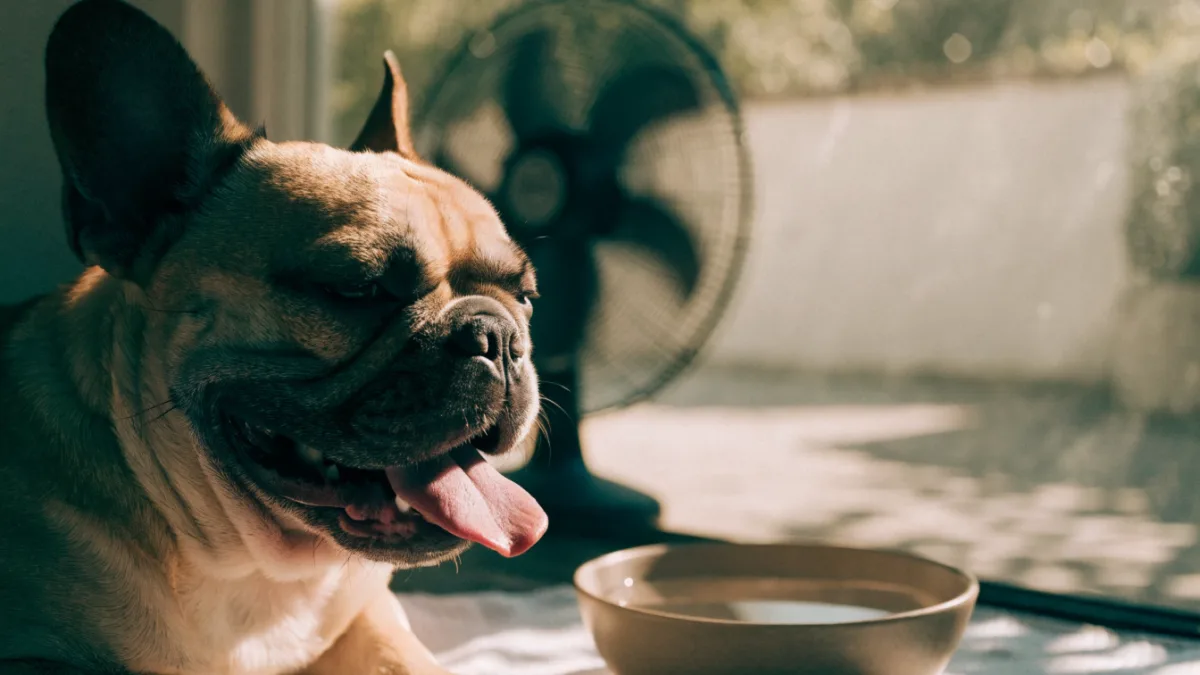
Instead, a dog’s primary air conditioning system is panting. When a dog pants, they rapidly move air over the moist surfaces of their tongue, lungs, and throat. This heavy evaporation pulls heat away from their body. They also have a limited ability to sweat through their paw pads, though this plays a much smaller role.
Because evaporation is the key to their cooling system, humidity is just as dangerous as high heat. If the air is already saturated with moisture—think of a muggy summer afternoon—your dog’s natural evaporative cooling system simply stops working. No matter how hard they pant, they cannot lower their core temperature.
The Dangers of the “Ice Water Hack”
If your dog is overheating, pouring freezing cold water or ice on their head, neck, or back feels like the logical thing to do. It cools us down instantly, right? Unfortunately, in dogs, this triggers a dangerous physiological shock response.
Sudden exposure to freezing temperatures causes peripheral vasoconstriction—a rapid shrinking of the blood vessels near the skin. The body assumes it’s freezing and pushes all the overheated blood away from the skin and back to the internal organs, heart, and brain. Not only does this inadvertently spike the dog’s internal core temperature, but it can also send them into cardiovascular shock.
I’ve actually changed my mind on how we advise handling severe overheating in recent years. Updated veterinary triage guidelines now emphasize that if a dog is suffering from heatstroke, you should use tepid (room temperature) water to cool them down before rushing to the clinic. Research shows that ice or freezing water causes a dog to shiver. Shivering generates muscle heat, which further complicates their ability to cool down safely.
What to do instead:
Use cool, running tap water on areas where the blood vessels are close to the surface and the fur is thinnest: the belly, the inner thighs, the chest, and the paw pads. Offer them frozen treats, like frozen broth or frozen puzzle toys, which help cool them from the inside out without shocking their system.
To Shave or Not to Shave? The Double-Coat Dilemma
Every spring, I have the same gentle debate with my clients who own Huskies, Golden Retrievers, and German Shepherds. They look at their dog’s thick, fluffy coat, assume the dog is miserable, and ask me to shave it all off. I completely understand the impulse. But doing so is one of the most damaging things you can do for a double-coated breed.
A dog’s double coat acts as thermal insulation. It works exactly like the insulation in your house or a high-quality thermos. In the winter, it traps body heat to keep them warm. But in the summer, it traps a layer of cool air against the skin while acting as a barrier that blocks direct solar radiation.
When you shave that coat off, you strip away their natural cooling system. You expose their skin to harmful UV rays, drastically increasing their risk of skin cancer. Even worse, shaving can permanently damage the hair follicles. This leads to a condition called post-clipping alopecia, where the guard hairs never grow back correctly, leaving the dog with patchy, compromised fur for the rest of their life.
“The overwhelming veterinary consensus is that the benefits of UV protection, skin barrier defense, and natural undercoat airflow far outweigh any perceived relief from shaving. Put the clippers away and pick up a brush instead.”
There is a lot of debate on this online, and dog owners often receive conflicting advice from groomers offering “summer cuts.” But physics and biology are clear: removing the coat does far more harm than good. Always consult your veterinarian before deciding to shave your dog’s coat. The best way to manage a double coat in the summer is regular brushing to remove the dead undercoat, allowing maximum natural airflow.
Rethinking the “7-Second Rule” and Summer Exercise
For years, animal welfare organizations promoted the “7-second rule”—the idea that if you can hold the back of your hand to the pavement for seven seconds, it’s safe for your dog’s paws. I used to recommend this too, but I’ve stopped. Experts now point out that this rule is unscientific and unreliable. Human skin is thicker than a dog’s paw pads, and our pain tolerance is different. Pavement can easily cause severe, blistering burns to paw pads even if it “feels okay” to a human hand for a few seconds. If you can’t comfortably walk on the pavement barefoot, your dog shouldn’t either.
But the danger of summer exercise goes beyond burned paws. Exercise is actually the leading trigger of heatstroke in dogs. Walking, running, or playing fetch in warm weather drastically increases core body temperature. Because dogs generate heat so quickly through muscle movement, a moderately warm day can turn deadly during a brisk jog.
Mental Stimulation Over Physical Exertion
When the weather is too hot, swap physical exercise for mental stimulation. Brain work tires a dog out just as effectively as physical running—without dangerously elevating their heart rate and body temperature. Set up indoor scent-work games by hiding treats around the house. Use puzzle toys, snuffle mats, or teach them a new trick. A 15-minute training session inside a cool house will leave your dog just as happily exhausted as a trip to the dog park.
Respecting Canine Biology
As global temperatures continue to rise and heatwaves become more severe, veterinary associations worldwide are issuing urgent warnings about the dangers of walking dogs during the day. The only safe times to walk during the summer months are in the early morning or late evening, when the sun is low and the pavement has had a chance to cool.
Ultimately, the best way to care for your dog in the heat is to respect their biology. They aren’t small humans in fur coats. They have their own intricate, highly evolved ways of managing heat. By working with their natural physiology—keeping their coats intact, using tepid water on their extremities, and prioritizing brain games over midday walks—you can ensure your companion stays safe, comfortable, and happy all summer long.