

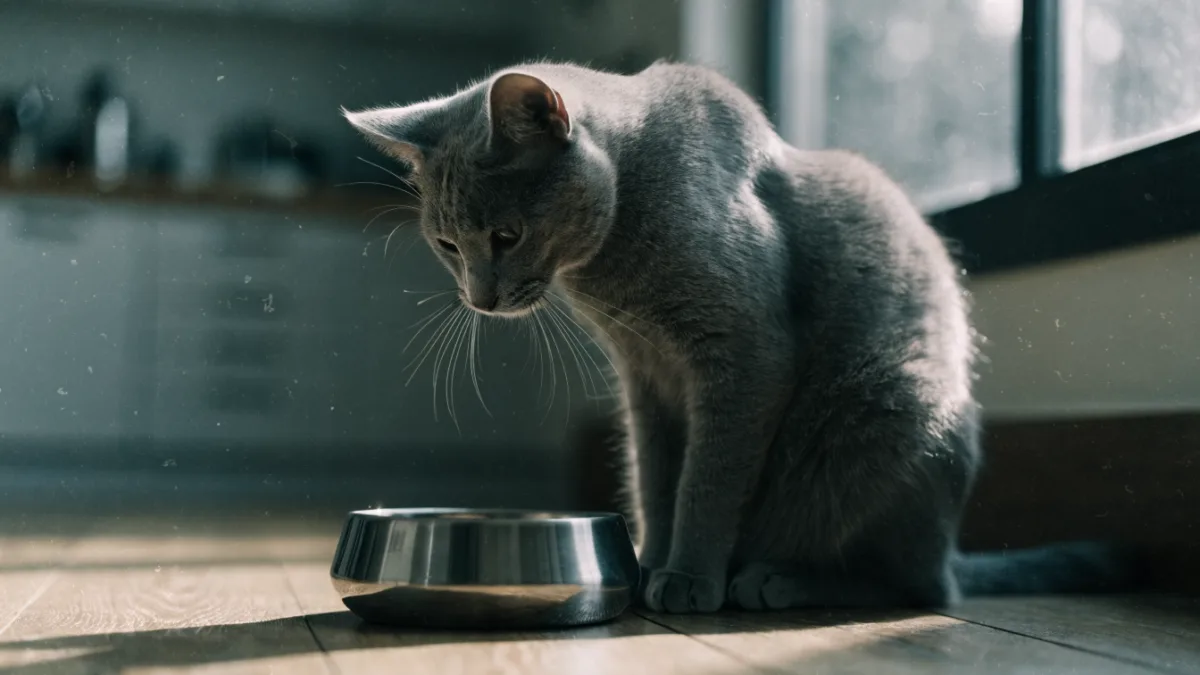
Just last week, I had a phone call from a client named Mark. He and his partner had just moved to a new apartment, and during the chaos, their six-year-old tabby cat, Luna, hadn’t touched her breakfast. Mark wasn’t particularly worried. After all, when his four-year-old Beagle, Cooper, gets stressed or over-tired from a long walk, he sometimes skips dinner and makes up for it at breakfast the next day. Mark figured Luna would eat when she got hungry enough. I asked him to bring Luna in immediately. Mark was surprised by the urgency in my voice, but this is a scenario I see constantly in clinical practice. Dog owners rarely panic when their pup skips a meal, and for good reason. But cats face a completely different physiological reality. Going without food for just 48 hours can trigger a dangerous, self-perpetuating liver condition that turns a stressed cat’s body against itself.
Cats Are Not Small Dogs
There is an old saying in veterinary medicine: “cats are not small dogs.” It sounds obvious, but you would be amazed how often people apply canine rules to feline companions. Dogs and cats evolved to survive in entirely different ways, and their metabolisms reflect that.
Dogs evolved from wolves, animals that adapted to feast-or-famine scavenging. Their livers are highly efficient at producing specific enzymes and amino acids required for detoxification. This biological safety net allows a dog’s body to safely process fat stores and tolerate periods without food without causing immediate internal damage.
Cats, on the other hand, are obligate carnivores. In the wild, they hunt small prey multiple times a day. Their bodies are designed to run on a constant, steady influx of protein and fat. Because they evolved expecting to eat frequently, their livers simply do not have the enzymatic capacity to handle a massive influx of body fat. When you withhold food from a cat, you aren’t giving their digestive system a “break”—you are forcing their liver into a biological traffic jam it cannot escape.
The 48-Hour Danger Zone: Hepatic Lipidosis
If a cat stops eating, their body still needs energy to survive. To get that energy, the body rapidly mobilizes fat stores and sends them straight to the liver to be processed. But because a cat’s liver is not designed to process this massive volume of fat, the liver cells essentially drown in lipids. They become swollen and dysfunctional. We call this condition hepatic lipidosis, or fatty liver syndrome.
Once lipidosis takes hold, it becomes a vicious, self-perpetuating cycle. The swollen, failing liver cannot do its job, which causes a buildup of toxins in the cat’s bloodstream. These toxins cause severe, unrelenting nausea. The nausea destroys whatever tiny appetite the cat had left. The cat refuses to eat, which forces the body to mobilize even more fat to the liver, worsening the disease. Without aggressive medical intervention—often involving a feeding tube—the cat’s body will literally starve itself to death.
The cruel irony of hepatic lipidosis is that the disease itself destroys the cat’s appetite, making it impossible for them to simply “decide” to start eating again.
Everyday Triggers: Why Cats Go on Hunger Strikes
When we talk about feline fasting, people often picture a cat trapped in a shed or locked in an empty house. But in my clinic, the most common triggers for a life-threatening hunger strike are incredibly mundane.
Cats are notoriously sensitive to environmental changes. Moving to a new home, rearranging the furniture, bringing home a new baby, or adding a new pet to the family can send a cat into a stress-induced anorexia. I’ve treated cats who stopped eating simply because their owner switched to a new brand of food, or because a stray cat was visible through the living room window.
Recently, there has been a boom in human diet trends like intermittent fasting, and some pet owners are understandably curious about applying these habits to their pets. While there is ongoing debate in the holistic and traditional veterinary communities regarding intentional fasting or “gut resets” for dogs, strict veterinary consensus prohibits intentional fasting for cats under any circumstances. The immediate risk of liver failure far outweighs any theoretical digestive benefits.
The Free-Feeding Dilemma
Because cats are so prone to stress-induced anorexia, some owners advocate for “free-feeding”—leaving dry kibble out all day to ensure the cat always has access to food. However, this approach comes with its own set of risks. Cats who graze constantly are at a high risk for obesity. This creates a frustrating catch-22: obesity increases the amount of fat available to flood the liver, meaning an overweight cat who stops eating will develop hepatic lipidosis much faster than a lean cat. Scheduled, portion-controlled meals are generally the best approach to maintain a healthy weight, provided you monitor their intake closely.
The Multi-Pet Household: Food Swapping Dangers
If you have both dogs and cats, you know the struggle of keeping them out of each other’s bowls. Managing a multi-pet household requires a bit of strategy, because their nutritional needs are fundamentally different.
When Dogs Eat Cat Food
Dogs absolutely love cat food. Feline diets are much higher in protein and fat because cats require those dense calories. If your dog sneaks a bite of cat food, they will be fine. However, if they make a habit of it, they are in for trouble. The high fat content in cat food can easily trigger gastrointestinal upset or even a painful, dangerous condition called pancreatitis in dogs. Pancreatitis requires intensive hospitalization, so it is best to keep the cat food elevated or in a dog-proof area.
When Cats Eat Dog Food
Conversely, if your cat steals your dog’s kibble, it won’t harm them immediately. A healthy cat won’t suffer acute illness from eating a meal meant for dogs once in a while. However, dog food critically lacks the specific nutrients, amino acids (like taurine), and vitamins that cats need to survive. If a cat eats dog food regularly, they will develop severe nutritional deficiencies that can lead to heart and eye damage.
Recovery and Post-Surgery Realities
Sometimes, a cat will refuse to eat because they are recovering from a medical procedure. Both cats and dogs experience post-anesthetic nausea, which often leads to a temporary refusal of food. Modern veterinary guidelines have actually evolved on this. Historically, pets were asked to fast for 12 to 24 hours before surgery. Today, protocols are often much shorter to prevent dangerous drops in blood sugar, known as hypoglycemia.
Vets are particularly careful with feline patients to balance surgical safety with the risk of triggering lipidosis. When you bring your pet home after anesthesia, start with quarter-portions of their regular food and gradually increase it to prevent vomiting. If your cat refuses even a small, post-surgery meal, don’t wait. Call your vet.
What to Do When Your Cat Won’t Eat
If your cat hasn’t eaten in 24 hours, it is time to intervene. Do not wait for the 48-hour mark. You can try some at-home tricks first to stimulate their appetite. I often suggest offering a small amount of plain, unseasoned, boiled chicken breast, or slightly warming their wet food to enhance the aroma. Cats rely heavily on their sense of smell to trigger their appetite.
However, if they turn their nose up at warm chicken, it is time to visit the clinic. We can administer highly effective anti-nausea medications and appetite stimulants. If their liver values are already climbing, we may need to place a temporary feeding tube. Many owners are terrified by the idea of a feeding tube, but they are genuinely life-saving, easy to manage at home, and only need to stay in for a few weeks while the liver heals.
Understanding the unique, highly specialized biology of our domestic predators is the ultimate act of pet conservation. By respecting the fact that a cat’s body is designed for constant, high-protein fuel, we can protect them from preventable, deadly conditions. Always keep a close eye on the food bowl, respect their sensitive nature, and remember that when it comes to feline health, every single meal truly matters.