

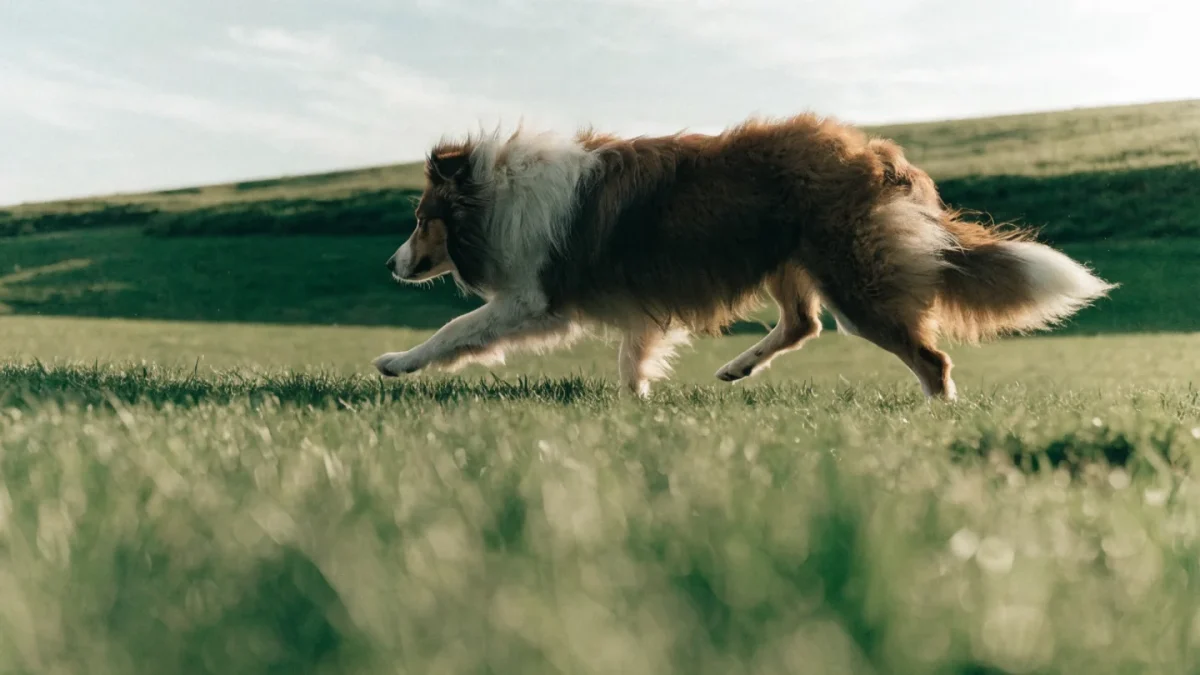
The collie spent centuries moving sheep across the Scottish Highlands and Lowlands — not at a sprint, but at a steady, purposeful trot that could last all day. That working rhythm tells you something important about the breed's exercise needs: they want to move, but they don't need to move at the intensity of a Belgian Malinois or a Border Collie. The collie was the marathon walker of the herding world, not the sprinter.
An adult collie needs 60 to 90 minutes of daily exercise. That's less than many people expect from a herding breed, and it's one of the reasons collies fit into a wider range of households than their higher-drive herding cousins.
What Works Best
Walking and Moderate Hiking
Collies are natural walkers. Two 30-minute walks at a moderate pace cover the physical baseline for most adults. Hiking on trails adds terrain variety and environmental stimulation, which engages the brain alongside the body. Collies handle moderate terrain well but aren't built for aggressive scrambling — the rough collie's coat catches on brush and the breed's leg structure favors endurance over agility on rough ground.
Training and Obedience Work
Collies respond beautifully to structured training. The breed's intelligence and handler focus mean that a 15-minute obedience session provides mental fatigue that physical exercise alone doesn't achieve. Rally, formal obedience, and trick training all suit the collie's learning style — they want to work with you, and they remember what they learn.
Herding Games and Instinct Work
Even collies that have never seen a sheep retain herding instincts. Treibball (pushing large balls into a goal under handler direction) channels herding behavior without livestock. Chase and redirect games that involve the dog responding to your directional cues tap into the same instinct set. These activities are particularly satisfying for the dog because they engage the herding brain.
Play Sessions
Collies enjoy fetch, tug, and interactive play with their families. Play doesn't need to be high-intensity to be effective — a moderate game of fetch in the yard provides exercise and bonding simultaneously. Many collies prefer play with their person over play with other dogs, reflecting the breed's handler orientation.
The Mental Component
The collie's sensitive temperament means the breed processes its environment actively. Collies notice changes, react to emotional tone, and track household activity with a watchfulness inherited from generations of stock work. Mental understimulation in a collie doesn't produce the explosive destruction you'd see in a Malinois or Border Collie — it produces anxiety, excessive barking, and neurotic behaviors like pacing or obsessive grooming.
Puzzle feeders, scent games, novel environments, and varied walking routes all contribute to mental wellness. A collie that walks the same neighborhood loop every day without variation is getting physical exercise but missing the mental component.
Age Adjustments
Puppies under 12 months need controlled exercise — short sessions on soft ground, avoiding repetitive impact on developing joints. Collie puppies are energetic but less intense than many herding breeds, making them somewhat easier to manage during the growth period.
Adults between one and eight years are at their exercise peak. Individual variation is significant — some collies are content with 45 minutes of moderate activity, while others want the full 90 minutes with training work added.
Senior collies slow down but still benefit from daily movement. Shorter, gentler walks maintain muscle tone and joint mobility. Watch for stiffness after exercise, reluctance to climb stairs, or hesitation on walks — these signal that intensity needs to decrease.
Under-Exercised Collies
A collie without enough stimulation doesn't destroy furniture. It barks. Incessantly. The collie bark is famously persistent — a sharp, carrying vocalization that the breed deploys with remarkable endurance when understimulated or anxious. Excessive barking is the single most common behavioral complaint among collie owners, and insufficient exercise is the single most common cause.
The collie breed guide addresses barking management in detail. But the foundation is this: a physically and mentally satisfied collie is a quiet collie. Get the exercise right, and most barking problems resolve themselves.