

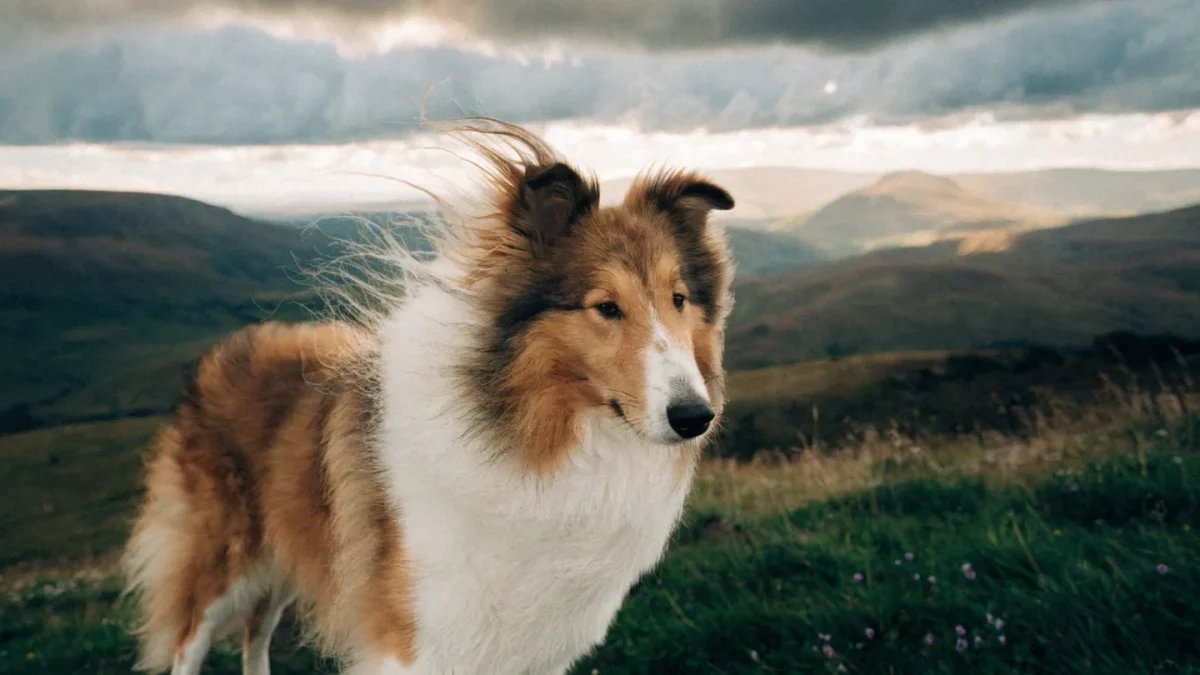
Queen Victoria didn't just keep collies — she made them famous. When she brought several rough collies from her Balmoral estate in Scotland to Windsor Castle in the 1860s, she transformed an obscure regional herding dog into one of the most sought-after breeds in Britain virtually overnight. Before Victoria's patronage, collies were working dogs valued exclusively by Scottish and northern English shepherds. Within two decades, they were winning at the first organized dog shows and commanding prices that would have bought a shepherd's entire flock.
Collies are medium-large herding dogs recognized in two coat varieties — rough and smooth — that share identical breed standards in every dimension except fur length. They combine sensitivity, intelligence, and an almost uncanny awareness of human emotion with the physical stamina of a dog bred to work steep Highland terrain in brutal weather. If you want a collie breed guide that addresses what actually matters — the real temperament behind the Lassie image, the health realities, the grooming truth, and whether this breed fits your life — this is it.
The collie's public image hasn't always served the breed well. Decades of television and film created expectations that don't match the actual dog, and the gap between the fictional collie and the real one trips up owners every year.
Origins and History
The collie's working history predates its show-ring career by centuries. Dogs matching the collie's general description — medium-sized, agile, with strong eye contact and a natural gathering instinct — appear in Scottish records as far back as the 1500s. The name itself likely derives from the Scottish word for the black-faced sheep they herded, called "colleys," though the exact etymology remains debated among breed historians.
What separated Highland collies from other British herding dogs was their working style. Where some herding breeds controlled sheep primarily through gripping or barking, collies relied on what stockmen call "eye" — an intense, fixed gaze that pressures sheep into moving without physical contact. This eye, combined with a wide sweeping gather and the ability to read livestock at distance, made them indispensable on the steep, open terrain of the Scottish hills.
The transformation from working dog to show dog happened rapidly. The first formal collie class appeared at a Birmingham dog show in 1860. The breed's entry into the show ring coincided perfectly with Victoria's public enthusiasm, and the two forces — royal patronage and competitive breeding — reshaped the collie's appearance within a generation. Show breeders selected for a longer, more refined head, a fuller coat, and increased size. By 1886, the Collie Club had formed in Britain and was codifying a standard that emphasized elegance over working utility.
The divergence between working collies and show collies was already evident by 1900 and widened throughout the twentieth century. Working-bred collies became what we now call border collies — a separate breed recognized by most registries since the 1970s. The show-bred collie retained the name and developed the distinctive elongated head, abundant coat, and more moderate energy level that characterizes the breed today.
Collies arrived in North America in the late 1800s, brought by Scottish immigrants and quickly adopted by ranchers who needed versatile herding dogs. The breed's North American trajectory accelerated dramatically in 1943 with the release of "Lassie Come Home," and the subsequent television series that ran from 1954 to 1973 turned the rough collie into one of the most recognizable dogs on the planet.
Physical Characteristics
Size and Build
Male collies stand 61 to 66 cm at the shoulder and weigh between 27 and 34 kg. Females are proportionally smaller, standing 56 to 61 cm and weighing 23 to 29 kg. The body is lithe and athletic, slightly longer than tall, built for sustained movement over uneven ground rather than bursts of speed.
The head is the breed's most distinctive feature — a long, smooth, blunted wedge shape with a barely perceptible stop between the skull and muzzle. Viewed in profile, the top of the skull and the top of the muzzle form nearly parallel planes. The eyes are medium-sized, almond-shaped, and set somewhat obliquely, giving the collie its characteristic expression of attentive intelligence. In merle-patterned dogs, one or both eyes may be blue or partially blue.
Coat Varieties
The rough collie carries a profuse double coat: a harsh, straight outer coat that stands off the body, and a dense, soft undercoat that provides insulation. The mane and frill around the neck are abundant, and the feathering on the legs, tail, and behind the ears is substantial. The overall impression is of a dog wearing considerably more fur than its actual body size would suggest.
The smooth collie has a short, dense, flat-lying coat with a thick undercoat. The fur is the same texture as the rough collie's outer coat — harsh and weather-resistant — but without the length and volume. Smooth collies are the same breed by every registry standard, differing by a single gene that controls coat length.
Both varieties come in four recognized colors: sable and white (ranging from light gold to deep mahogany), tricolor (black with white and tan markings), blue merle (silvery blue marbled with black, with white and tan markings), and white (predominantly white with colored head markings and sometimes body patches).
What Most People Get Wrong About Collie Appearance
The long, narrow head of the modern show collie sometimes draws criticism that the breed has been bred to extremes. There is a legitimate conversation to be had about head structure — some lines have heads so narrow that the term "needle-nosed" gets applied by observers, and eye placement in very refined heads can compromise peripheral vision. But the breed standard calls for a balanced wedge, not an exaggerated one, and responsible breeders work to maintain that balance. The gap between what the standard describes and what occasionally wins in the ring is worth acknowledging without overstating.
Temperament and Behavior
If the border collie is the intense workaholic who never clocks out, the collie is the perceptive colleague who reads every mood in the room and adjusts accordingly. Collies are deeply sensitive dogs with an emotional attunement to their humans that experienced owners describe as almost eerie. They notice changes in routine, tone of voice, body language, and household tension with a precision that goes beyond normal canine social awareness.
Sensitivity and Bonding
This sensitivity is the breed's greatest strength and its most significant management challenge. A collie that lives with a consistent, calm household bonds deeply and displays remarkable emotional stability. A collie subjected to harsh corrections, chaotic environments, or prolonged isolation can develop anxiety-driven behaviors — excessive barking, destructive chewing, stress-related digestive issues — that are difficult to reverse once established.
Collies are not aloof. They want to be near their people, preferably in the same room, ideally within touching distance. This is a breed that follows its family from room to room and positions itself where it can monitor everyone simultaneously. For owners who want a close companion, this is a feature. For owners who value independence in a dog, it can feel suffocating.
Herding Instinct
The herding drive in modern collies is softer than in border collies or Australian shepherds, but it hasn't disappeared. Collies commonly display herding behaviors with children — circling, nudging, attempting to keep the group together. Some nip at heels when children run, which is the dog doing precisely what its genetics demand: controlling the movement of small, fast-moving things.
This isn't aggression. It's an instinct that needs redirection rather than punishment. Families with young children should be aware of it and manage it early. Most collies, given appropriate guidance, learn to moderate the impulse without losing their watchful, protective orientation toward kids.
For a detailed exploration of collies' personality in daily life, the collie temperament and personality article goes deeper into what living with this sensitivity actually looks like.
Vocalization
Collies bark. This deserves its own section because it surprises owners who expected the serene, dignified dog from television. The collie's bark is sharp, carries well, and activates in response to novel stimuli, changes in the environment, people approaching the house, squirrels existing, and sometimes nothing discernible at all.
Some lines are notably more vocal than others. Barking is manageable with training and enrichment, but expecting a silent collie is unrealistic. This is a herding breed that historically used its voice as a working tool, and the inclination remains.
With Other Animals
Collies generally coexist well with other dogs and can learn to live peacefully with cats, particularly when introduced during puppyhood. Their herding instinct sometimes manifests as chasing behavior toward cats or small pets, which requires early training to manage. With other dogs, collies tend to be non-confrontational — they prefer to de-escalate rather than engage in conflict, and they often take on a peacekeeping role in multi-dog households.
Health Profile
Collies have breed-specific health conditions that prospective owners need to understand before committing. Some of these are manageable with screening. Others have no cure and require lifelong awareness.
Collie Eye Anomaly (CEA)
CEA is a congenital condition caused by a recessive gene mutation that affects the development of the choroid layer at the back of the eye. It ranges in severity from mild (small areas of underdeveloped tissue that don't affect vision) to severe (retinal detachment, colobomas, or intraocular hemorrhage that can cause blindness). A DNA test identifies carriers, affected dogs, and clear dogs. Both parents should be tested before breeding.
The prevalence of CEA in the collie population is high — estimates range from 70% to 97% of collies carrying at least one copy of the mutation, depending on the population studied. This doesn't mean the majority are clinically affected at a serious level, but the genetic frequency means screening is essential, not optional.
MDR1 Drug Sensitivity
The MDR1 (Multi-Drug Resistance 1) gene mutation affects the blood-brain barrier's ability to pump certain drugs out of the central nervous system. Dogs with two copies of the mutant gene (homozygous) can have severe, potentially fatal reactions to common medications including ivermectin, loperamide, and several chemotherapy agents. Dogs with one copy (heterozygous) may show intermediate sensitivity.
Approximately 70% of collies carry at least one copy of the MDR1 mutation, based on population screening data from Washington State University's Veterinary Clinical Pharmacology Laboratory. A simple DNA test determines a dog's status, and every collie owner should have this test done — it directly affects what medications a veterinarian can safely prescribe. Carrying a card with the dog's MDR1 status is standard practice among informed collie owners.
Other Health Concerns
- Progressive Retinal Atrophy (PRA): Degenerative eye disease leading to progressive vision loss. DNA testing available for the rcd2 form found in collies.
- Dermatomyositis (DMS): An inflammatory disease affecting the skin and sometimes the muscles, seen primarily in collies and Shetland sheepdogs. Severity ranges from mild skin lesions to debilitating muscle wasting. Genetic risk factors have been identified, and a DNA test for three associated markers is available.
- Bloat (Gastric Dilatation-Volvulus): Deep-chested breeds including collies are at elevated risk. Feeding smaller, more frequent meals and avoiding vigorous exercise immediately after eating are standard preventive measures.
- Grey Collie Syndrome (Cyclic Neutropenia): A rare, recessive genetic condition causing cyclic fluctuations in white blood cell counts, leading to recurring infections. Affected puppies rarely survive past their first year. DNA testing identifies carriers.
- Hip dysplasia: Less common in collies than in many breeds of similar size, but still present. Screening of breeding stock is recommended.
Lifespan
Collies typically live 12 to 14 years, which is good for a breed of their size. Some individuals reach 15 or 16. The breed's longevity relative to similarly sized dogs is one of its genuine advantages, though quality of life in those later years depends heavily on genetic screening and proactive health management throughout the dog's life.
Grooming Requirements
The grooming divide between rough and smooth collies is substantial enough to influence which variety suits your household.
Rough Collie Coat Care
The rough collie's coat requires commitment. Thorough brushing two to three times per week prevents matting, with daily brushing necessary during the two major coat blows per year (spring and fall). The areas behind the ears, in the armpits, and in the thick pantaloons on the rear legs mat most readily and need particular attention.
A pin brush or slicker brush works through the outer coat, while a long-toothed metal comb reaches through to the undercoat. Spray conditioner or plain water misted onto the coat before brushing reduces breakage and makes the process easier for both dog and handler.
Despite the volume of fur, the rough collie's coat has a surprising advantage: the harsh outer coat texture resists dirt and debris, meaning the dog often looks clean even after outdoor activity. Bathing every six to eight weeks is typically sufficient unless the dog has rolled in something objectionable.
Never shave a rough collie's coat. The double coat regulates temperature in both heat and cold, and shaving disrupts that system. A shaved collie coat often grows back with altered texture, sometimes permanently.
Smooth Collie Coat Care
The smooth collie's grooming demands are dramatically lower. Weekly brushing with a bristle brush and occasional undercoat raking during shedding seasons handles the maintenance. The coat still sheds — all double-coated breeds do — but the volume of loose hair is a fraction of what the rough coat produces.
For owners who love the collie temperament but cannot commit to the rough collie's grooming schedule, the smooth variety is worth serious consideration. The dogs are identical in every other respect.
Nails, Ears, and Teeth
Nail trimming every two to three weeks. Weekly ear checks and cleaning as needed — the collie's semi-erect ears with folded tips provide better air circulation than fully dropped ears, making ear infections less common than in breeds with heavy, pendant ears. Dental care several times per week rounds out the routine.
Exercise and Activity Needs
Collies need 45 to 75 minutes of daily exercise — less than many herding breeds, more than most owners of large, coated dogs expect. They are moderately active dogs, not the driven, tireless athletes that border collies and Australian shepherds are. A collie's ideal day includes a solid walk, some off-leash play in a secure area, and mental stimulation through training or interactive games.
What collies need most, beyond physical activity, is mental engagement. They are intelligent dogs that get bored with repetitive routines. Puzzle toys, hide-and-seek games, and short training sessions throughout the day keep a collie's mind occupied and prevent the boredom-driven barking that is the breed's most common nuisance behavior.
Young collies under two years are considerably more energetic than adults and benefit from longer activity periods. Senior collies slow down gracefully but still need daily movement to maintain muscle tone and joint health.
Herding-breed activities like rally, competitive obedience, and even casual herding trials give collies an outlet for their natural instincts and are worth exploring if you have access to them.
Nutrition
Collies are not the food-obsessed breeds — they tend to be moderate eaters, and some can be genuinely picky. Feed measured meals (two per day for adults, three for puppies under six months) and adjust portions based on body condition rather than package guidelines.
An adult collie at a healthy weight and moderate activity typically needs between 1,000 and 1,500 calories per day, depending on size, metabolism, and activity level. The breed is not especially prone to obesity, but individual dogs vary, and a collie carrying excess weight puts unnecessary stress on joints that may already face genetic challenges.
Some collies have sensitive digestive systems, and food transitions should be done gradually over seven to ten days. Ingredients that cause loose stools in one collie may be perfectly tolerated by another — there's no universal "best" food for the breed.
Living Situation Compatibility
Collies adapt to a wider range of living situations than many herding breeds, provided their social needs are met. The non-negotiable is human companionship — a collie left alone in a yard, no matter how large, is a neglected collie. These dogs need to be part of the household, involved in daily life, and in regular physical contact with their people.
A house with a yard is ideal but not strictly necessary. Collies in apartments can thrive if their exercise and mental stimulation needs are consistently met. The primary apartment concern is barking — a vocal collie in a shared-wall building creates neighbor problems quickly.
For a deeper discussion of whether a collie fits your specific living situation, the history and origins article provides helpful context on what these dogs were originally bred to do and how that heritage shapes their needs today.
The breed handles cold weather well, courtesy of the double coat. Heat tolerance is moderate — rough collies in particular should be monitored during hot, humid conditions and given access to shade and water during outdoor activity.
With Children
Collies have a long, well-documented reputation as family dogs, and it's deserved. Their sensitivity to human emotion makes them particularly attuned to children, and their herding instinct translates into a protective watchfulness that many families find reassuring. The primary management issue is the nipping-at-heels behavior described above, which requires consistent redirection during the dog's first two years.
As First-Time Dogs
Collies are often recommended for first-time owners, and the recommendation has merit — with caveats. The breed's sensitivity means that inexperienced handling errors (inconsistent rules, overly harsh corrections) have larger consequences than they would with a more resilient breed. First-time owners who are willing to learn about positive reinforcement approaches and invest in early socialization can do very well with a collie. Those who expect the dog to figure things out on its own will run into problems.
The Right Owner for This Breed
The collie is the right dog for you if:
- You want a close, emotionally connected companion that reads your moods and stays near you
- You can provide 45 to 75 minutes of daily exercise and regular mental stimulation
- You understand that sensitivity requires gentle, consistent handling — not firmness through intimidation
- You're prepared for barking and willing to manage it through enrichment and training rather than punishment
- You can commit to the grooming demands of the rough variety, or you've considered the smooth variety instead
- You'll screen for CEA, MDR1, and other breed-specific conditions before bringing a dog home, and carry that information to every veterinary visit
The collie is the wrong dog for you if:
- You're away from home most of the day without a plan for the dog's social needs
- You want a low-maintenance dog that tolerates being ignored
- You need a quiet breed for close-quarter living and can't manage barking
- You prefer a dog that's emotionally independent and doesn't need constant proximity to its person
- You're looking for a high-drive performance dog for competitive herding or intense dog sports — the modern show collie's drive is moderate compared to purpose-bred working herding dogs
Collies give you everything they have — their attention, their loyalty, their sensitivity, their ridiculous alertness to every squirrel within visual range. What they ask for in return is presence, gentleness, and the willingness to be as attuned to them as they are to you. It's a fair exchange, as long as you know it's on the table.
Frequently Asked Questions
Are rough collies and smooth collies the same breed?
Yes. They are the same breed with the same standard in every dimension except coat length, which is controlled by a single gene. Temperament, structure, health predispositions, and exercise needs are identical. Some registries classify them as separate breeds for show purposes, but genetically and behaviorally, they are one breed in two coats. The choice between rough and smooth comes down to grooming preference and climate considerations.
How much do collies bark compared to other breeds?
Collies are a vocal breed. They bark at novel stimuli, changes in routine, approaching visitors, and sometimes at nothing you can identify. They are not as persistently vocal as some small breeds, and the barking is usually event-triggered rather than constant, but expecting a quiet collie is unrealistic. Enrichment, exercise, and training can reduce the frequency and duration of barking episodes, but the underlying inclination is breed-typical and will always be present.
Is the collie the same breed as the border collie?
No. The collie (sometimes called the "rough collie" or "Scotch collie") and the border collie are separate breeds that diverged in the late 1800s. They share common ancestors in the working sheepdogs of the Scottish-English border region, but over a century of different breeding priorities have created two distinct breeds. Border collies were selected for working ability and intense herding drive. Collies were selected for conformation, temperament, and the elegant appearance shaped by the show ring. The behavioral differences are significant.
What is MDR1 and why does it matter for collies?
MDR1 (Multi-Drug Resistance 1) is a gene mutation that impairs the blood-brain barrier's ability to exclude certain drugs from the central nervous system. Dogs with two copies of the mutation can have life-threatening reactions to medications that are safe for most other breeds, including ivermectin and loperamide. A DNA test determines a dog's status (normal/normal, normal/mutant, or mutant/mutant). Every collie should be tested, and the result should be shared with every veterinarian who treats the dog — including emergency clinics.
Do collies do well in hot climates?
Collies can live in warm climates with management. The double coat provides some insulation against heat, but rough collies in particular can overheat during intense exercise in high temperatures and humidity. Provide shade, fresh water, exercise during cooler hours (early morning, evening), and never shave the coat — shaving removes the insulation layer and increases sun exposure risk without improving cooling. Smooth collies handle heat slightly better due to lower coat volume but still need the same precautions in extreme conditions.