

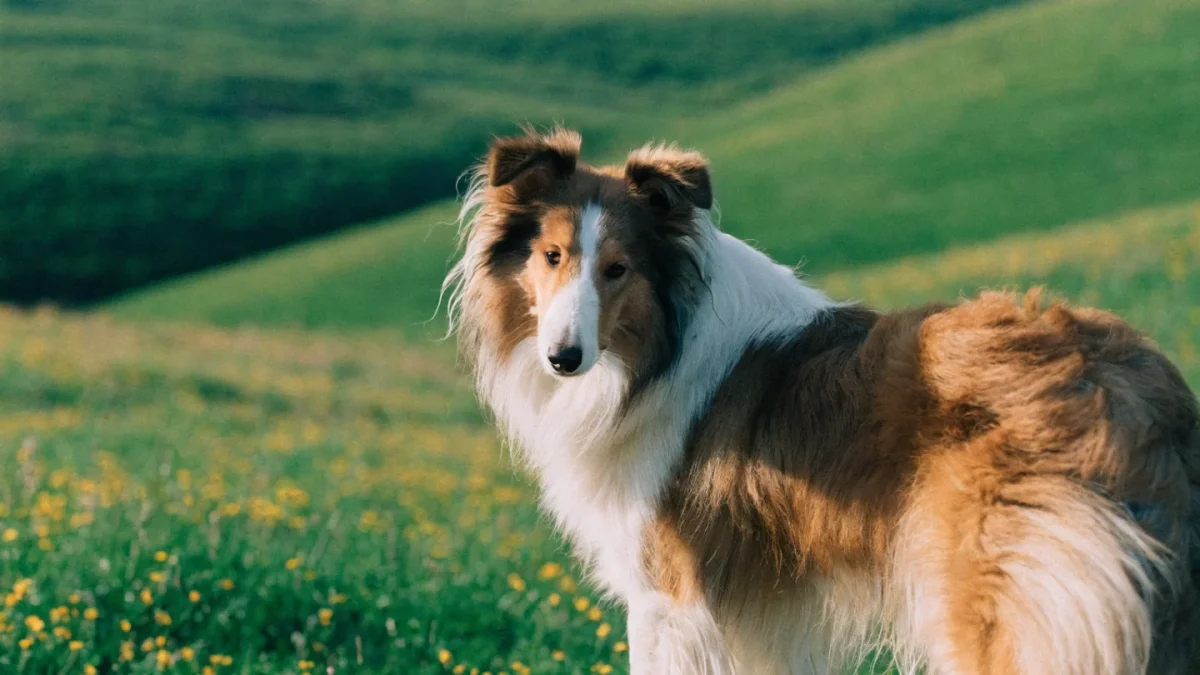
The collie carries two genetic conditions so prevalent in the breed that understanding them isn't optional — it's a baseline requirement for ownership. Collie Eye Anomaly and the MDR1 drug sensitivity mutation both trace back to the breed's founding population, when a small number of dogs in the Scottish Borders established the gene pool from which every modern collie descends. Those founding dogs carried these mutations, and the breed's subsequent development concentrated them.
Collie Eye Anomaly (CEA)
What It Is
Collie Eye Anomaly is a congenital developmental defect affecting the choroid — the layer of blood vessels and connective tissue behind the retina. The condition is caused by a mutation in the NHEJ1 gene (also called the CH gene) on chromosome 37. It's autosomal recessive, meaning a dog needs two copies of the mutant allele to be affected.
The severity of CEA varies enormously. Most affected dogs have choroidal hypoplasia — a thinning of the choroidal layer visible only through ophthalmoscopic examination, usually causing no functional vision impairment. A smaller percentage develop more serious complications: colobomas (focal defects in the eye structures), retinal detachment, or intraocular hemorrhage. These severe forms can cause significant vision loss or blindness.
Prevalence
CEA's frequency in the collie population is striking. Studies have found that 70 to 90% of rough collies in some populations carry at least one copy of the mutation, and a substantial percentage are homozygous affected. These rates vary by country and breeding population, with some European populations showing lower carrier rates due to active screening programs. The mutation is also present in smooth collies, Shetland Sheepdogs, Border Collies, and Australian Shepherds, though at lower frequencies.
Testing and Breeding Strategy
A DNA test for the NHEJ1 mutation is commercially available and reliable. Testing identifies dogs as clear (no copies), carrier (one copy, unaffected), or affected (two copies). Because carriers are so common in the breed, eliminating all carriers from breeding programs would collapse the gene pool. Responsible breeding strategy pairs carriers with clear dogs to avoid producing affected offspring while maintaining genetic diversity.
MDR1 Drug Sensitivity
What It Is
The MDR1 gene (now officially called ABCB1) produces P-glycoprotein, a protein that functions as a molecular pump at the blood-brain barrier. This pump prevents certain drugs from crossing into the brain. Dogs with two copies of the MDR1 mutation (mutant/mutant) cannot produce functional P-glycoprotein, allowing drugs that should stay out of the brain to accumulate there — causing neurological toxicity that can be fatal.
The drugs that pose the highest risk include ivermectin (at certain dosages), loperamide (common anti-diarrheal), acepromazine, and several chemotherapy agents. The list extends to over a dozen commonly prescribed medications, and continues to be updated as new drug interactions are identified. Washington State University's Veterinary Clinical Pharmacology Laboratory maintains the most current reference list.
Why It Matters for Every Collie Owner
This is not a theoretical concern. Ivermectin is used in many heartworm preventatives and livestock deworming products. Loperamide is available over the counter at any pharmacy. Acepromazine is a routine veterinary sedative. A collie with the MDR1 mutation can have a life-threatening reaction to medications that are perfectly safe for most dogs.
Every collie — rough, smooth, or mix — should be DNA-tested for MDR1 status before any medication is administered. This is a non-negotiable safety measure.
Prevalence in Collies
Approximately 70% of collies carry at least one copy of the MDR1 mutation, and roughly 35% are homozygous (mutant/mutant), making them fully drug-sensitive, based on Washington State University screening data. Carriers (mutant/normal) have partial P-glycoprotein function and may show reduced drug tolerance at high doses but are generally safe at standard dosages.
Coat Color Genetics
Collie coat colors are determined by several interacting loci:
A locus (agouti/ASIP): The sable collie pattern — the most iconic color — results from the Ay (sable) allele. Tricolor collies carry two copies of the at (tan point) allele, producing the black body with tan and white markings.
S locus (MITF gene): Controls white spotting patterns. The Irish spotting pattern (si) produces the breed's characteristic white collar, chest, blaze, and leg markings. Homozygous dogs with more extreme white alleles produce the "white collie" — a predominantly white dog with colored head markings, sometimes called "color-headed white."
Merle (M locus / SILV gene): The blue merle collie carries one copy of the merle allele (M/m), which randomly dilutes patches of eumelanin to create the mottled blue-grey pattern. Double merle (M/M) — the product of breeding two merle dogs together — carries serious health risks including deafness and eye defects. Responsible breeders never intentionally produce double merle puppies.
The Practical Takeaway
DNA testing for CEA and MDR1 is inexpensive, widely available, and provides information that directly affects the dog's medical care and breeding suitability. Any collie owner who doesn't know their dog's status for these two mutations is operating without essential safety information. Both conditions are also prevalent in the Shetland Sheepdog — a closely related herding breed that shares the same founder population; the Shetland Sheepdog genetics covering MDR1 and CEA provides a useful comparison for owners researching either breed.
The collie breed guide covers how these genetic realities factor into the broader ownership picture. For breeders, testing every potential parent for CEA, MDR1, and PRA status is the minimum genetic due diligence the breed requires.
Frequently Asked Questions
Can a collie with the MDR1 mutation take heartworm prevention safely?
Yes — many heartworm preventatives use ivermectin or related drugs at dosages that are safe even for MDR1-affected dogs. The danger comes from higher ivermectin dosages used in other contexts (such as livestock deworming products) or from drugs like loperamide and acepromazine. However, confirm every medication with your veterinarian using your dog's known MDR1 status, and make sure the information is flagged prominently in the dog's medical records.
Is Collie Eye Anomaly always serious?
No. The majority of CEA-affected dogs have mild choroidal hypoplasia that causes no functional vision problems. However, because severe forms (colobomas, retinal detachment) can develop, all collies should have an ophthalmologic exam by eight weeks of age — before a phenomenon called "go normal" can mask choroidal hypoplasia on examination. DNA testing confirms genetic status regardless of clinical appearance.
Should I avoid merle collies because of genetic risks?
A single-merle collie (M/m) is not at elevated health risk from the merle gene itself. The danger is double merle (M/M), produced when two merle dogs are bred together. If you're acquiring a merle puppy, confirm that only one parent is merle or that DNA testing has verified the puppy is M/m rather than M/M. A responsibly bred blue merle collie is as healthy as any other color.